

Archive · 5 Jun 2025
Sundarbans National Park Closed for Breeding Season Until August
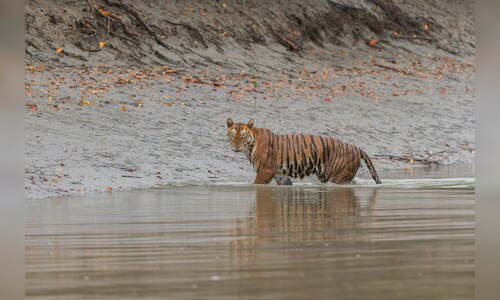
The Sundarbans National Park, a large mangrove forest in India, is closed to visitors and fishing for three months.
This is to help animals and fish breed without being disturbed.
The government wants to keep the forest quiet so it can grow and thrive.
Forest officers will watch closely to stop anyone from breaking the rules.
This closure is part of a plan to protect the area.
However, it makes it hard for people who depend on the forest for their jobs, like fishing.
Some fishermen get help from the government, but others do not, causing problems for their families.

The Sundarbans National Park is closed to human activity from June 1 to August 3.
The ban aims to protect the breeding cycles of aquatic and terrestrial species.
Forest patrols will be intensified to prevent poaching and unauthorized access.
The initiative aligns with the Integrated Resources Management Plan.
The ban affects forest-dependent communities, particularly those in fishing and related activities.
- Who
- West Bengal Forest Department
- What
- A three-month restriction on human activity, including tourism and fishing.
- When
- From June 1 to August 3
- Where
- Sundarbans National Park, West Bengal, India
- Why
- To protect fish and wildlife breeding cycles and allow ecological regeneration.
Supporters of the Ban
Critics of the Ban
Economic Impact
Supporters of the Ban
The ban is crucial for preserving biodiversity, which in the long run benefits the ecosystem and potentially tourism.
Critics of the Ban
The ban impacts forest-dependent communities by limiting their income.
Government Support
Supporters of the Ban
Government support, like rice distribution, is provided, though improvements in distribution may be needed.
Critics of the Ban
Aid is limited, with reports of irregularities and corruption in aid distribution.
- Location
- Sundarbans National Park
- Closure Dates
- June 1 to August 3
- Implementing Authority
- West Bengal Forest Department
- Primary Purpose
- Breeding season for fish and wildlife
- Activities Banned
- Tourism and fishing
- Recognition
- UNESCO World Heritage Site
- Aquatic species count
- 219 (aquatic species)