

Archive · 5 Nov 2025
Kolkata's Colonial-Era Gas Crematorium: A Historic Relic
Imagine a building in Kolkata that looks like a little church from Europe with pointy arches and a bell tower.
But it's not a church!
It's actually an old gas crematorium built a long, long time ago, in 1906, when the British were in India.
It was used to cremate people, especially British folks whose families wanted to take their ashes back home to England.
It was also used by a group called the Brahmo Samaj.
A very famous scientist, Jagadish Chandra Bose, was cremated there.
The building stopped working in 1978 because floods broke its gas pipes, and they were never fixed.
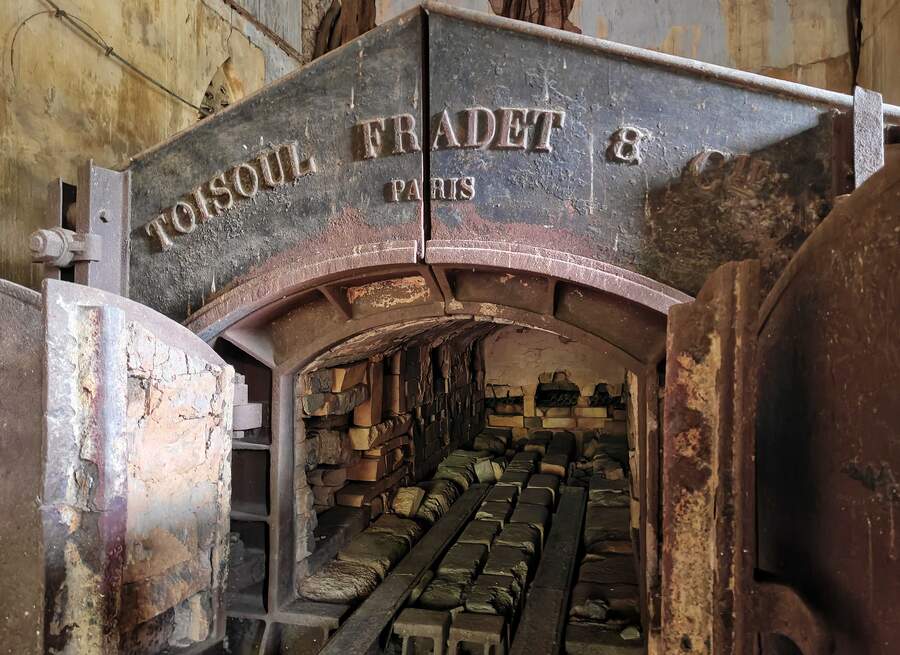
Now, it's a bit run-down with trees growing on it, but the old furnace inside is still there!
People think it could be turned into a small museum to remember its history.

Kolkata has a defunct colonial-era gas crematorium built in 1906, resembling a European church.
It was constructed for Britishers and members of the Brahmo Samaj, allowing ashes to be transported home.
Eminent scientist Jagadish Chandra Bose was cremated there in 1937.
The crematorium ceased operations in 1978 after Kolkata floods damaged its gas supply line.
The historic structure, though decaying, retains its original furnace and is suggested for preservation as a museum.
- Who
- Colonial-era Britishers and members of the Brahmo Samaj
- What
- A defunct gas crematorium, a historical relic with unique architecture
- When
- Built in 1906, operational until 1978, damaged by floods in 1978
- Where
- Kolkata, India, on Crematorium Street
- Why
- To serve those who wished to be cremated, facilitating the return of ashes to native towns or for specific religious beliefs.
- Built For
- Britishers and Brahmo Samaj members
- Operational Years
- 1906-1978
- Reason for Closure
- Kolkata floods damaging gas supply line in 1978
- Location
- Crematorium Street, Circular Road Cemetery, Kolkata
- Notable Cremations
- Scientist Jagadish Chandra Bose (1937)
- Furnace Manufacturer
- Toisoul Fradet & Co. (Paris)