

12 hrs ago
Brazil’s Women Voters Put Campaign Promises to the Test
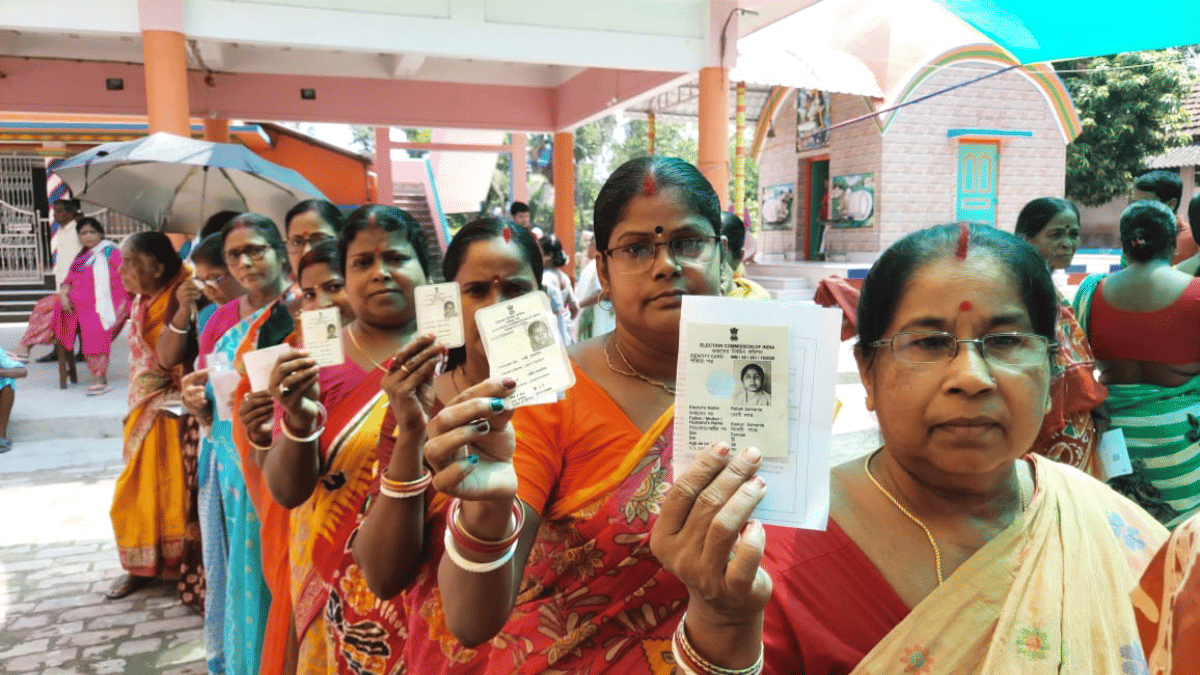
Women make up a large part of Brazil’s voters, so both presidential campaigns are trying to win their support.
The first vote was close, and neither candidate received enough votes to win outright.
A second vote is scheduled for October 25.
Some women may focus on issues such as prices, schools, safety and healthcare, as well as gender equality.
Lula’s side has used events and advertisements to reach women.
Flávio Bolsonaro’s party has built a women’s organization to reach them too.
The article also looks at India, where cash payments to women have mattered in some elections.
It argues that a payment alone may not keep voters’ support if their other concerns are not addressed.

Brazil’s presidential first round was close: Flávio Bolsonaro received 47.03% of the vote and incumbent Luiz Inácio Lula da Silva received 45.16%, prompting a runoff.
Women are nearly 53% of Brazil’s electorate and have emerged as important swing voters, while remaining underrepresented in political institutions.
The article says inflation, purchasing power, schools, public safety and healthcare may shape women’s choices alongside gender-related concerns.
Bolsonaro’s Liberal Party has organized a women’s wing, while Lula’s campaign has appealed to women through candidate events and targeted advertising.
The article compares Brazil with India, arguing that cash transfers can influence elections but that voters also judge whether governments deliver on everyday concerns.
- Who
- Brazilian presidential candidates Luiz Inácio Lula da Silva and Flávio Bolsonaro, and women voters.
- What
- A close first-round presidential election is heading to a runoff, with women voters described as an influential group.
- Where
- Brazil, with comparisons to elections in India.
- When
- The first round took place the previous Sunday; the runoff is scheduled for October 25.
- Why
- Neither candidate won more than 50% of the first-round vote; the article says women’s choices may be shaped by economic and public-service concerns as well as gender issues.
Campaign approaches
Voter priorities and limits
How to win women’s support
Campaign approaches
Lula’s campaign has held events for women candidates and run advertisements on gender-based violence and economic autonomy.
Voter priorities and limits
Bolsonaro’s Liberal Party has expanded PL Mulher, led by Michelle Bolsonaro, and uses family and religious messaging, according to the article.
What may shape women’s votes
Campaign approaches
Gender equality, protection from gender-based violence and greater political participation are among issues the article identifies as important to women.
Voter priorities and limits
Economic pressures and public services—including prices, purchasing power, schools, safety and healthcare—may also sway voters and could give the Bolsonaro camp an opening.
Cash transfers and electoral support
Campaign approaches
The India comparison describes cash schemes as influential, citing Bihar’s women-focused transfer and turnout figures.
Voter priorities and limits
The article cautions that the advantage may fade when rival parties offer similar schemes, and says voters assess delivery as well as promises.
Key facts
- First-round result
- Flávio Bolsonaro: 47.03%; Luiz Inácio Lula da Silva: 45.16%.
- Runoff date
- October 25.
- Women’s share of Brazil’s electorate
- Nearly 53% in 2022 and this year, according to the article.
- Abstention rate
- About 21%, described as the highest since 1998.
- Poll among women
- A Quaest poll in August showed Bolsonaro trailing Lula by nine points among women, compared with three points overall.
- PL Mulher
- More than 72,000 women reportedly joined the Liberal Party women’s wing.
- India comparison
- In Bihar in 2025, women’s turnout was 71.6%, compared with 62.8% for men; the article says more than 1.21 crore women received a first cash-transfer instalment.
Sources
Related news
Brazil Votes in Tight Lula-Bolsonaro Race as Trump Looms

Lula Campaign Reworks Messaging Ahead of Brazil Runoff
Flávio Bolsonaro Leads Lula as Brazil Heads to Runoff
Lula and Flavio Bolsonaro End Campaigns Before Brazil Vote
Brazil Poll Shows Flávio Bolsonaro Narrowly Leads Lula Runoff
Poll Shows Lula Lead Narrowing Ahead of Brazil Vote
Bolsonaro Family Surges as Flavio Advances in Brazil Election
Bolsonaro’s Son Leads Brazil Race Amid Trump’s Support
Bolsonaro Rivals Endorse Him Ahead of Brazil Runoff