Archive · 31 Jul 2026
PwC Reports Marred by AI Hallucinations, Prompting Corrections

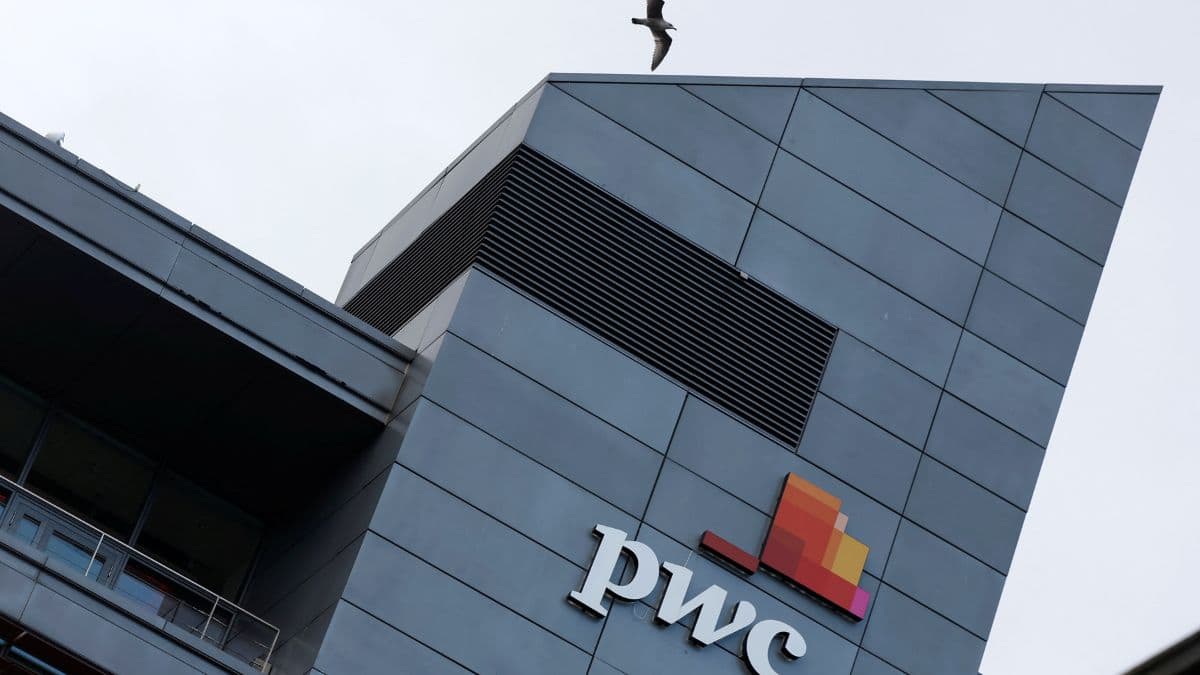
PwC, a big consulting company, made some reports for the Middle East.
People found that the reports had made up studies, broken links, and fake citations.
This happened because the company used AI tools that sometimes invented information.
After the problem was discovered, PwC said it would fix some of the wrong references.
Other big consulting firms like KPMG, EY, and Deloitte have had similar problems with AI in their reports too.

PwC Middle East’s four reports were found to contain AI‑generated hallucinations.
Citations were fabricated, links broken, and some studies never existed.
The investigation was carried out by GPTZero and confirmed by the Financial Times.
PwC said it would update a limited number of citations in the flagged reports.
Other Big Four firms—KPMG, EY, and Deloitte—have faced similar AI‑related errors.
- Who
- PwC Middle East and other Big Four consulting firms
- What
- Reports contained fabricated citations, broken links, and non‑existent studies due to AI hallucinations
- When
- Reports published between 2024 and 2026; investigation revealed issues in 2026
- Where
- PwC Middle East reports; global impact on consulting industry
- Why
- Use of generative AI tools in drafting research without adequate verification
- Firm
- PwC Middle East
- Issue
- AI hallucinations in research reports
- Reports examined
- 4
- Citations found inaccurate
- Numerous fabricated and broken links
- Response
- Updated limited citations
- Other firms affected
- KPMG, EY, Deloitte