

Archive · 23 Jul 2026
Kewda Flowers' Sacred Role in Jagannath Temple Traditions
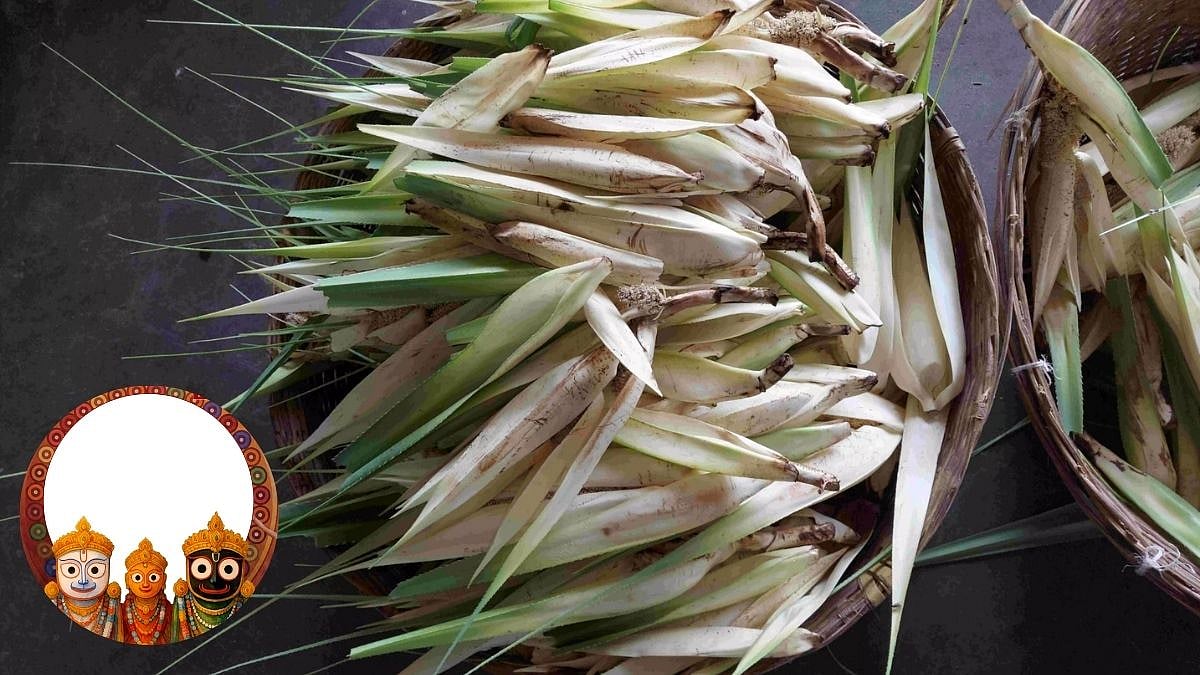
The Kewda flower, also known as Ganjam Kewda, is very special in the Jagannath Temple in Puri, Odisha.
It has a sweet smell and is used in many temple rituals, especially during the Rath Yatra festival.
The flower is believed to represent purity and devotion.
According to a story in the Shiva Purana, Lord Vishnu was honored for his honesty, and the Kewda flower became an important offering to Lord Jagannath.
The flower is also a big part of Odisha's culture, used in perfumes and food.
It shows how nature and spirituality are connected in Odisha's traditions.

Kewda flowers are sacred and used in daily and festive rituals at the Jagannath Temple.
The flowers are linked to Lord Jagannath and symbolize purity and devotion.
According to the Shiva Purana, Lord Vishnu was honored, making Kewda an appropriate offering.
Kewda flowers are a symbol of Odisha's cultural identity, used in perfumes and cuisine.
The flowers are cultivated in the Ganjam district and are a staple in temple rituals.
- Who
- Devotees and local communities of Odisha
- What
- The sacred role of Kewda flowers in Jagannath Temple traditions
- When
- During daily rituals and major festivals like Rath Yatra
- Where
- Jagannath Temple in Puri, Odisha
- Why
- Kewda flowers symbolize purity, devotion, and the region's cultural identity
Religious Significance
Cultural Identity
Sacred Offering
Religious Significance
Kewda flowers are considered sacred and are offered to Lord Jagannath as part of daily and festive rituals, symbolizing purity and devotion.
Cultural Identity
Kewda flowers are a symbol of Odisha's cultural identity, featuring prominently in religious ceremonies, traditional perfumes, and local cuisine.
- Festival
- Rath Yatra
- Location
- Jagannath Temple, Puri, Odisha
- Flower
- Kewda (Pandanus odorifer)
- Region
- Ganjam district, Odisha
- Mythological Link
- Shiva Purana
- Uses
- Temple rituals, perfumes, cuisine