Archive · 25 Nov 2025
Delhi Faces Severe Air Pollution Crisis
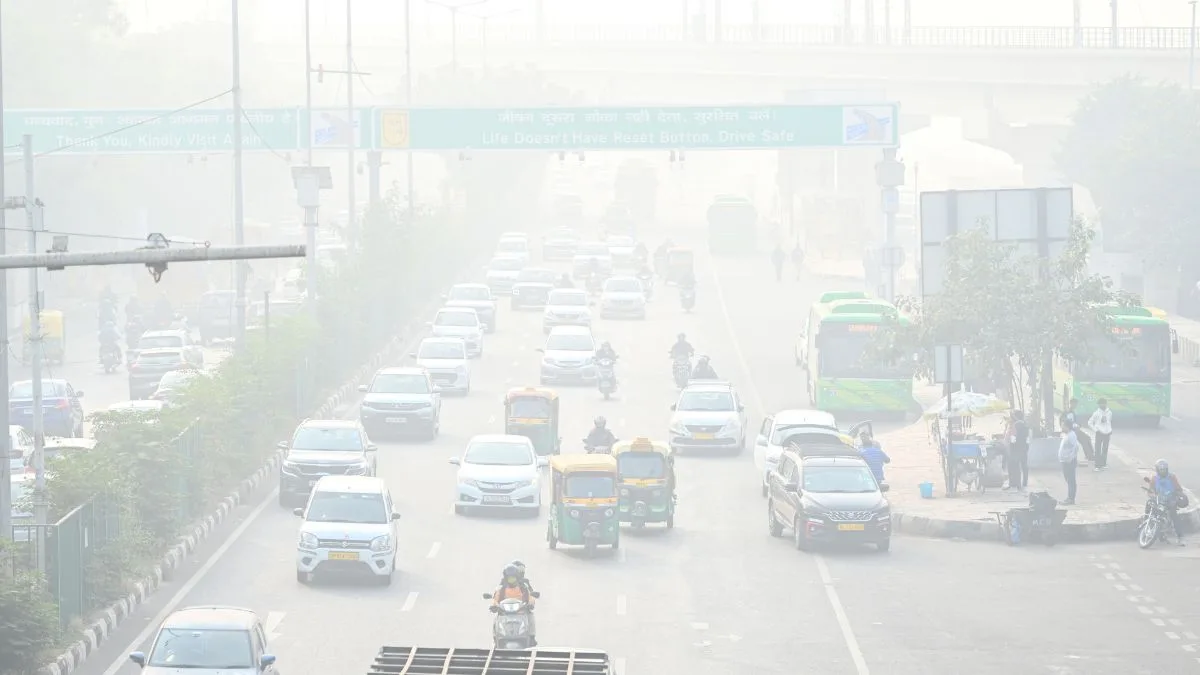
Delhi and nearby areas are experiencing very bad air quality, which is harmful to health.
The air has tiny pollution particles called PM2.5 that are much higher than what is safe.
Schools have moved classes online, and the government has put emergency measures in place, but people say these steps are not enough.
Experts say that vehicles are a big part of the problem and that switching to electric cars and cleaner fuels is important.
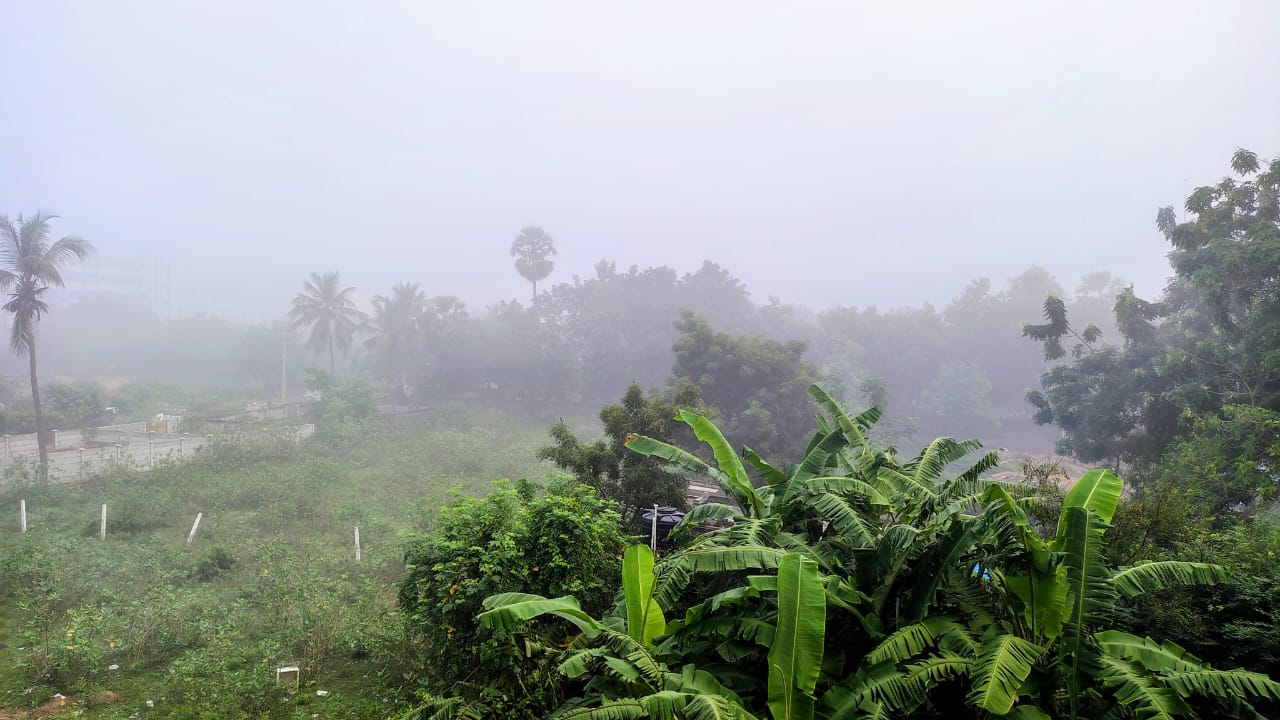
Southern states like Puducherry have much cleaner air.
The problem is serious and needs stronger, long-term solutions.

Delhi's air quality remains in the 'very poor' to 'severe' category, with PM2.5 levels 20 times higher than WHO guidelines.
Emergency measures like work-from-home and construction bans are in place, but residents say they are insufficient.
Vehicular emissions contribute more than 40% of Delhi's particulate pollution, with nearly 1,800 new vehicles added daily.
Experts urge a shift to electric vehicles (EVs) and cleaner fuels to reduce pollution and improve air quality.
Southern states like Puducherry, Tamil Nadu, and Kerala have cleaner air, with Puducherry recording the lowest PM2.5 level at 25 micrograms per cubic metre.
- Who
- Centre for Research on Energy and Clean Air (CREA), Central Pollution Control Board (CPCB), Experts, Residents
- What
- Severe air pollution crisis in Delhi and surrounding areas
- When
- Ongoing, with critical periods in November
- Where
- Delhi and National Capital Region (NCR), extending to other parts of North India
- Why
- High levels of PM2.5 and other pollutants due to vehicular emissions, construction, and other sources
Government and Experts
Residents and Activists
Effectiveness of Emergency Measures
Government and Experts
Emergency measures like work-from-home and construction bans are necessary and effective in reducing pollution.
Residents and Activists
Emergency measures are insufficient and do not address the root causes of pollution.
Transition to Cleaner Fuels and EVs
Government and Experts
A shift to electric vehicles (EVs) and cleaner fuels is essential for long-term pollution control.
Residents and Activists
The transition to EVs and cleaner fuels is too slow and needs immediate acceleration.
- Most Polluted State
- Delhi
- Delhi's Annual PM2.5 Level
- 101 micrograms per cubic metre
- WHO Annual PM2.5 Guideline
- 5 micrograms per cubic metre
- National Standard for PM2.5
- 40 micrograms per cubic metre
- Percentage of Districts Exceeding National Standard
- 60%
- Cleanest State
- Puducherry
- Puducherry's Annual PM2.5 Level
- 25 micrograms per cubic metre
- Top Polluted City Today
- Hapur (AQI 389)
- Vehicular Emissions Contribution
- More than 40% of local particulate pollution
- Daily Vehicle Additions in Delhi
- Nearly 1,800 vehicles
Sources
Delhi remains India’s worst polluted; Southern states emerge as cleanest
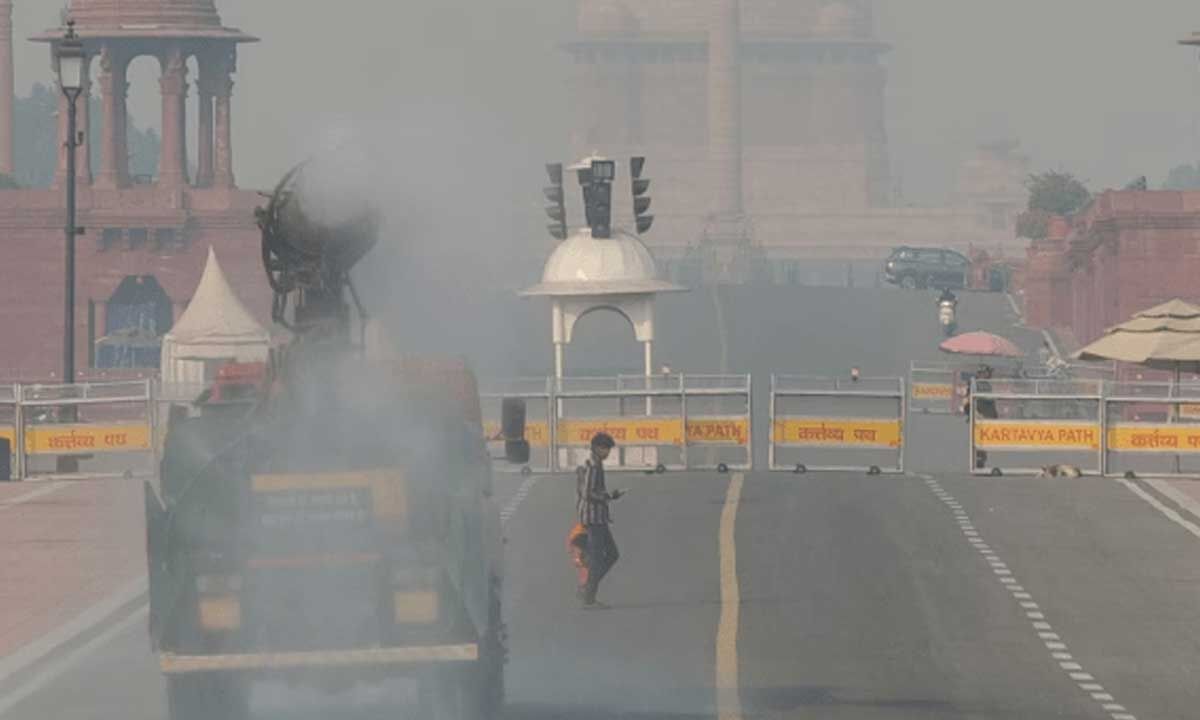
PMO Orders Crackdown On Polluting Vehicles In Delhi, Calls For Rapid EV Expansion
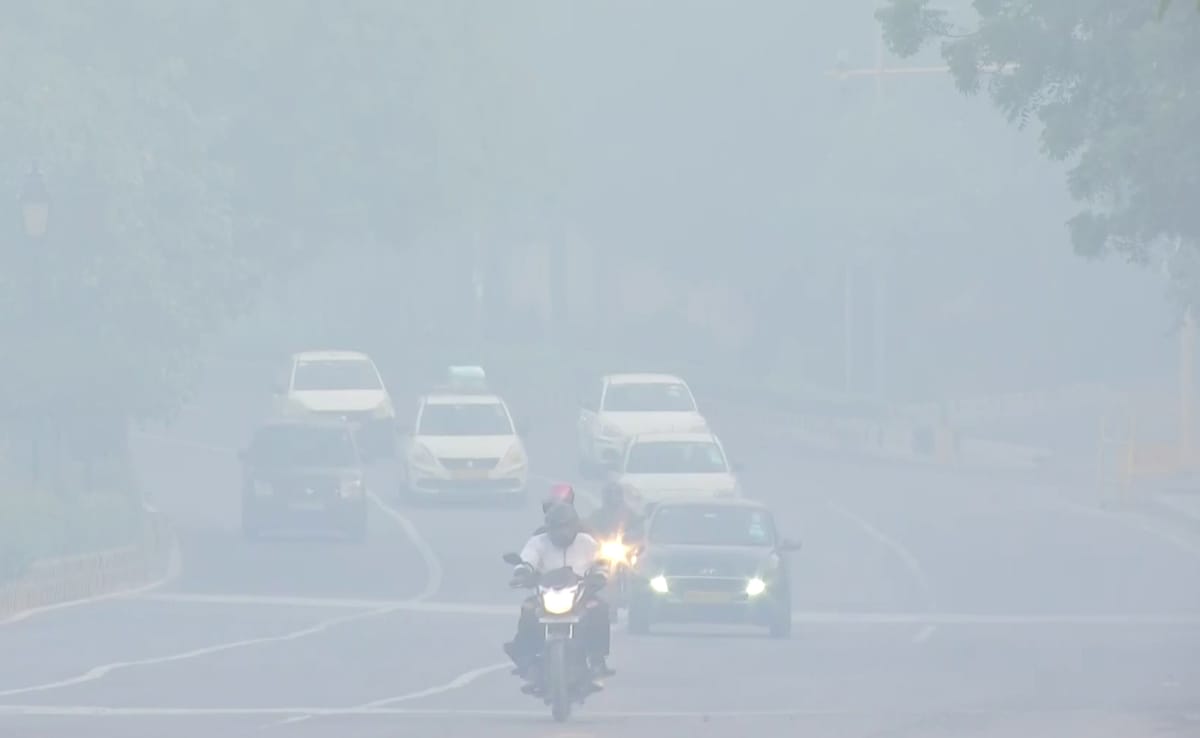
Air Emergency: Delhi, Nearby Areas Gasped For Breath All Through November
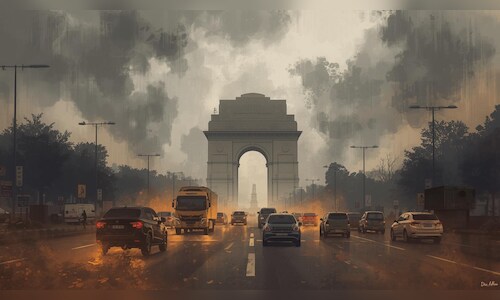
Delhi air quality hits hazardous levels as experts push for EVs and cleaner fuels shift
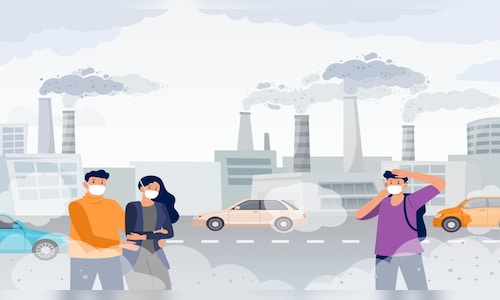
Air pollution kills 1 in 8 people worldwide: Key facts on its human toll