

Archive · 7 Nov 2025
Bangladesh's UN Water Convention move could spark regional tensions, experts say
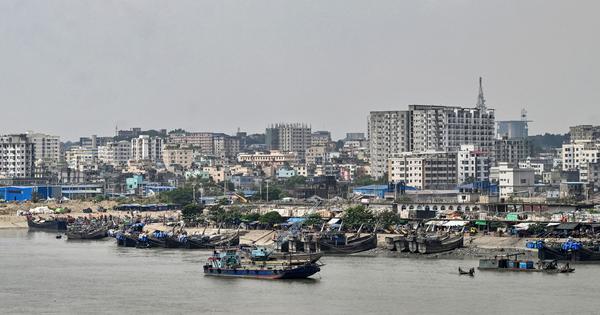
Imagine rivers flowing through many countries, like a big shared water slide.
Bangladesh, a country with lots of people and problems with too much or too little water, decided to join a special UN club for these shared rivers.
This club helps countries work together to manage the water fairly.
However, Bangladesh's powerful neighbor, India, worries that by joining this club, Bangladesh might ask for more water and have a stronger voice in arguments about sharing it.
This is because India prefers to solve these water problems just between the two of them.
Also, a big dam being built by China upstream makes both Bangladesh and India nervous about water flow.
Bangladesh is taking a risk, hoping to fix its water problems, but it might cause disagreements with India and other countries in the region.

Bangladesh has become the first South Asian nation to join the UN's Water Convention, aiming to improve management of shared water resources.
The decision comes amid significant domestic water security challenges for Bangladesh, including drought, floods, and climate change impacts.
Concerns exist that Bangladesh's participation in the convention could escalate water-related tensions with India, which prefers bilateral water agreements.
Upstream developments, such as China's planned hydropower dam on a river flowing into India and Bangladesh, are a major factor in regional water security worries.
India fears that Bangladesh may use the convention as a platform to negotiate for more water during future treaty renewals, potentially straining its own water resources.
- Who
- Bangladesh
- What
- Joined the UN's Water Convention, a move that may heighten regional tensions, particularly with India.
- When
- Earlier this year (for joining the convention); July 2025 (expected completion of China's Motuo Hydropower Station); 2026 (Ganges River Treaty renewal).
- Where
- South Asia, specifically concerning the Ganges-Brahmaputra-Meghna Basin and its tributaries.
- Why
- To safeguard and manage its waterways due to domestic water security challenges (drought, floods, sanitation), climate change impacts, and concerns over upstream interventions by China and India, though this decision risks increasing diplomatic friction with India.
Bangladesh's Perspective
India's Concerns
Water Security and Management
Bangladesh's Perspective
Bangladesh seeks greater legal and international protection for its water resources, facing domestic challenges like drought, floods, and sanitation issues, compounded by a rising population and climate change impacts affecting its rivers. Joining the UN Water Convention is seen as a crucial step for safeguarding its lifeline and ensuring prosperity.
India's Concerns
India prefers bilateral agreements for water issues and views Bangladesh's participation in the UN Water Convention with suspicion, fearing it could undermine India's negotiating power in future water disputes and treaty renewals, potentially leading to demands for more water than currently specified.
Transboundary Rivers and Dams
Bangladesh's Perspective
Bangladesh, as a downstream country, is concerned about upstream interventions, particularly China's new hydropower dam on the Yarlung Tsangpo River, which could control or limit water flow, negatively impacting its agriculture and water availability. It also objects to Indian dams like Tipaimukh and river-connecting projects.
India's Concerns
India views Bangladesh's move as potentially weakening its position in water-sharing negotiations, especially regarding the Ganges River Treaty renewal in 2026. There is also concern that this could pressure eastern India, which already faces water scarcity, and strain India's water storage capacity.
Regional Cooperation and Diplomacy
Bangladesh's Perspective
Bangladesh's decision to join the convention is seen as a move to gain a more powerful negotiation platform and potentially encourage better cross-border cooperation in a region where shared rivers are often contentious. The country has also explored trilateral cooperation with China and Pakistan.
India's Concerns
India worries that Bangladesh's adoption of multilateral norms could set a precedent for other regional countries like Nepal and Bhutan, potentially altering the existing hydro-political landscape. The association with China and Pakistan, rivals of India, adds to New Delhi's apprehension.
- Bangladesh's Population
- Around 174 million
- Rivers affected by drought/flood vulnerability
- Half of Bangladeshis live in areas with severe drought; 60% are vulnerable to high floods.
- Rivers in Bangladesh
- At least 81 out of 1,415 rivers are on the brink of extinction.
- Watershed area within Bangladesh
- Only about 7% of the Brahmaputra, Meghna, and Ganges basins are within Bangladesh.
- China's Motuo Hydropower Station Cost
- 1.2 trillion yuan (about US$167 billion)
- Ganges River Treaty Renewal
- Scheduled for 2026
- UN Water Convention Year
- Created in 1996, open to all UN members since 2016