

Archive · 11 Jun 2025
Structural Heart Disease: New Treatments Emerge
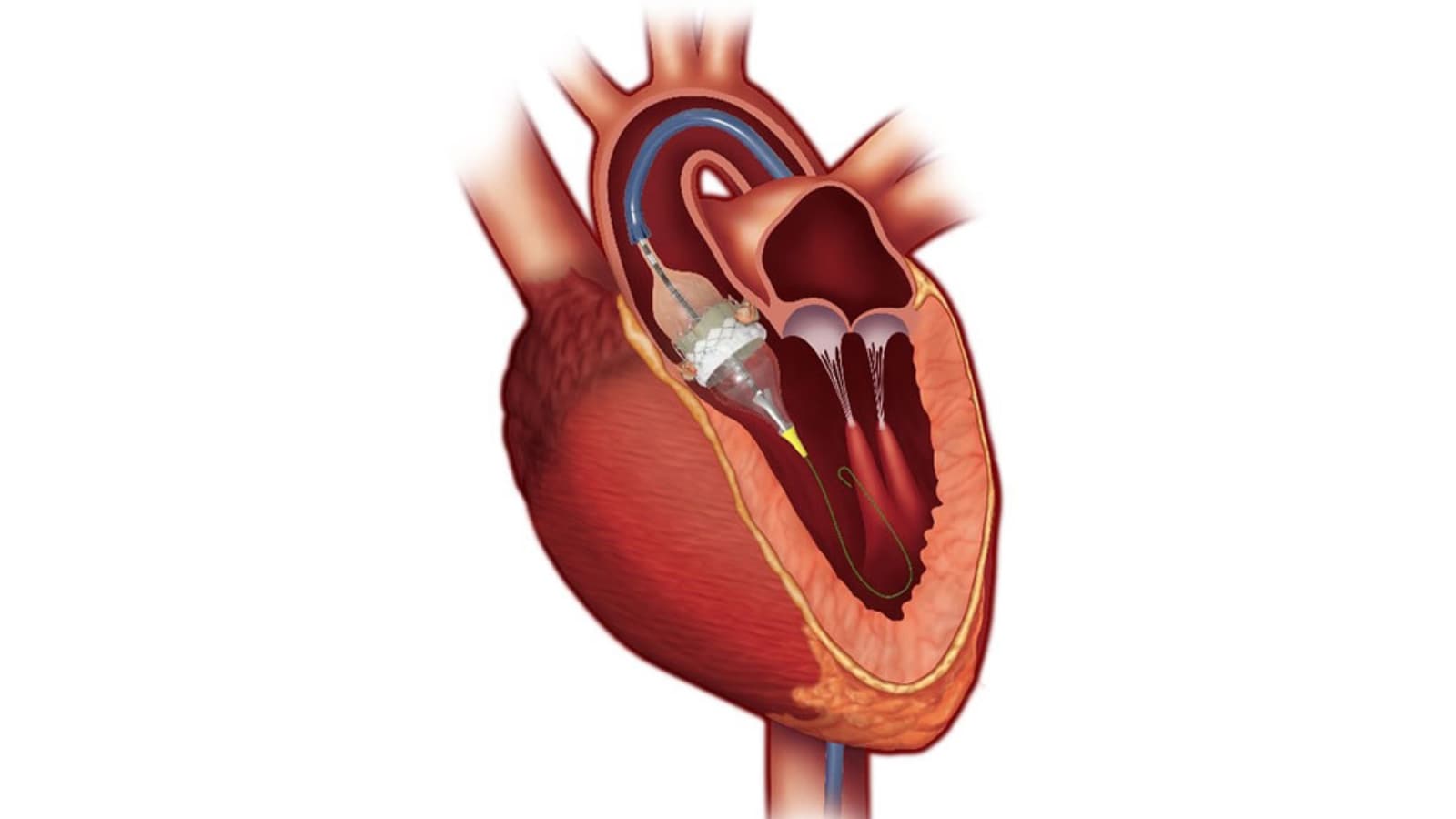
Sometimes, the heart has problems with its valves, walls, or muscles, which is called structural heart disease.
This can be present at birth or develop over time.
It might cause you to feel tired, have trouble breathing, or have swelling.
Doctors can fix this with surgery, but now there are also less invasive options like TAVR, where a new valve is put in through a small tube.
These new methods help people feel better and recover faster.
If you have heart symptoms, see a doctor quickly.

Structural heart disease involves defects in heart valves, walls, muscles, or chambers.
Common conditions include aortic valve stenosis and bicuspid aortic valve.
Symptoms may include breathing difficulty, fatigue, chest discomfort, irregular heartbeats, or swelling.
Surgical options are effective, but less invasive procedures like TAVR are available.
Early detection and intervention are important for managing structural heart disease.
- Who
- Patients with structural heart disease, particularly those over 60, and healthcare professionals
- What
- Structural heart disease refers to heart abnormalities, and can be congenital or acquired. Surgical and minimally invasive options are used for treatment.
- When
- Published June 11, 2025
- Where
- Manipal Hospital, Dwarka, New Delhi, and worldwide
- Why
- To address heart valve, wall, muscle, and chamber defects that can restrict blood flow and cause other health complications.
- Definition
- Abnormalities in heart valves, walls, muscles, or chambers
- Common Examples
- Aortic valve stenosis, bicuspid aortic valve
- Symptoms
- Difficulty breathing, fatigue, chest discomfort, irregular heartbeats, swelling
- Treatment Options
- Valve repair/replacement and TAVR
- Benefits of TAVR
- Faster recovery, improved quality of life
- Publication Date
- Published June 11, 2025