

Archive · 20 Nov 2025
India Develops Indigenous GE Crop Breeding Technology
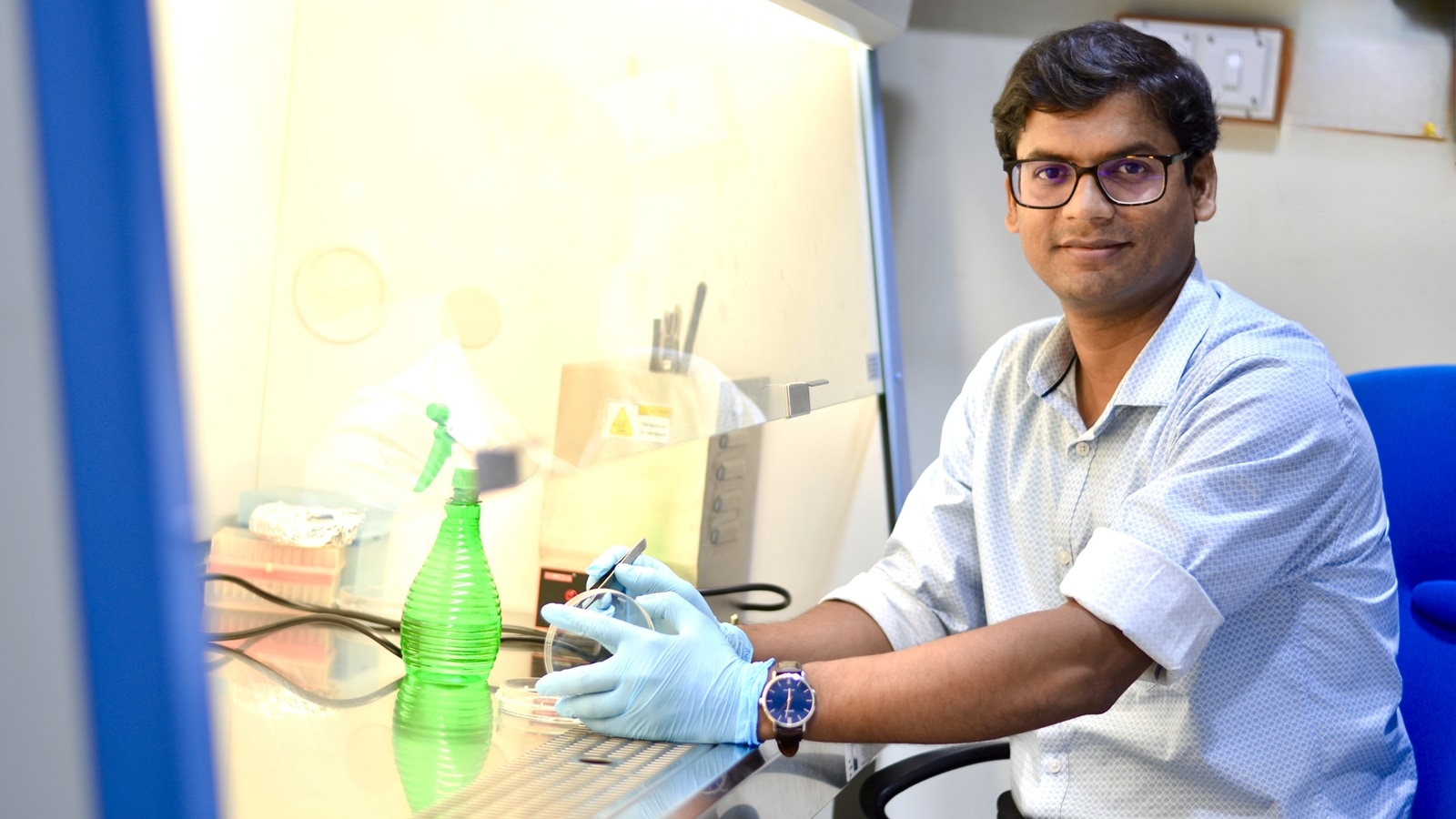
Indian scientists made a new tool to change plants' DNA, like scissors, to grow better food.
Other countries might want to use it too, but they need permission and might have to pay.
This new tool can help India grow better food without asking others first.

Indian scientists create a 'miniature alternative' to CRISPR-Cas proteins for plant genome editing
The new technology uses TnpB proteins, which are smaller and easier to deliver into plant cells
It aims to facilitate cheaper, commercial GE crop breeding by avoiding IP restrictions of global companies
Two GE rice varieties have been developed using CRISPR-Cas technology, but face IP hurdles for commercial cultivation
The new TnpB-based technology offers a potential solution for independent GE crop breeding in India
- Who
- Indian Council of Agricultural Research (ICAR) scientists led by Kutubuddin Ali Molla
- What
- Developed a new genome-editing technology using TnpB proteins
- When
- Recently patented, with international patent pending
- Where
- India
- Why
- To facilitate cheaper, commercial GE crop breeding and avoid IP restrictions
Indigenous GE Breeding
Global Companies' IP Rights
Accessibility
Indigenous GE Breeding
Indigenous technology allows independent GE crop breeding without IP restrictions
Global Companies' IP Rights
Global companies may demand license fees for commercial use of their CRISPR-Cas technologies
- Technology
- TnpB proteins-based genome-editing system
- Patent
- Granted by Indian Patent Office on September 15, 2025
- GE Rice Varieties
- Two varieties developed by IIRR and IARI using CRISPR-Cas technology
- IP Restrictions
- Hinder commercial cultivation of GE rice varieties due to global company patents