Archive · 1 Oct 2026
Flydubai Cockpit Door Opening Exposes Aviation Security Gap
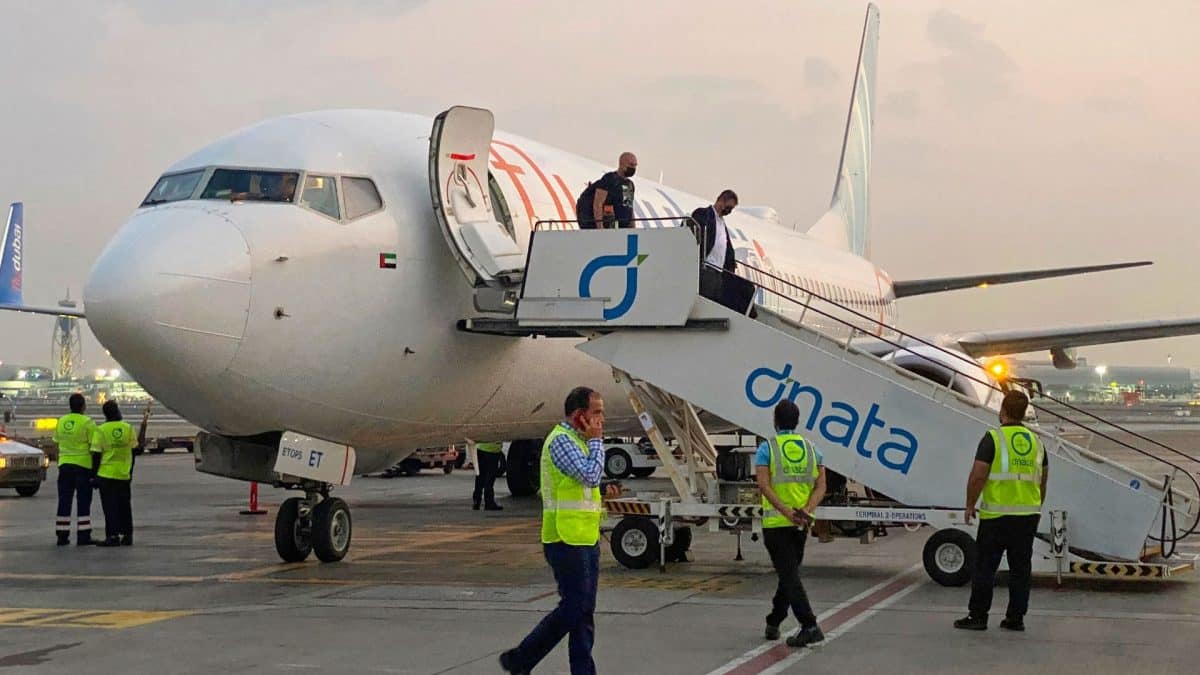
A Flydubai plane was flying from Dubai to Tel Aviv when the co-pilot allegedly attacked the captain.
The captain was badly hurt but managed to open the cockpit door.
Passengers and crew entered and helped stop the co-pilot.
Off-duty pilots on the plane helped control the aircraft.
The plane dropped quickly and then landed safely in Saudi Arabia.
Everyone travelling as a passenger survived, although both pilots went to the hospital.
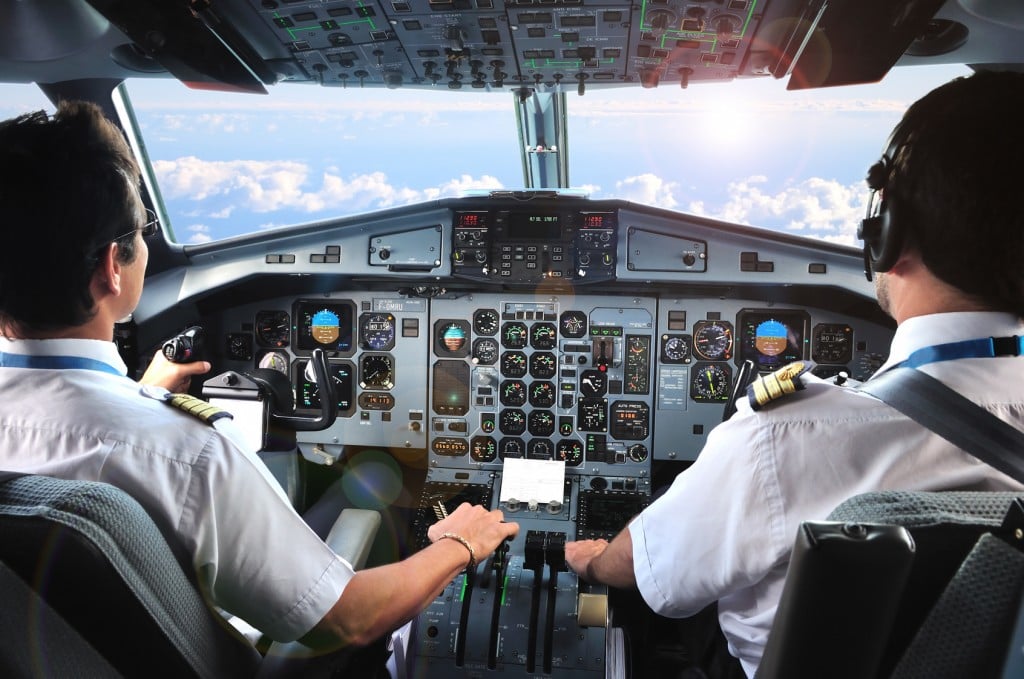
Modern cockpit doors are very strong and are meant to stop people in the cabin from forcing their way inside.
However, they cannot fully protect the plane when the danger is already inside the cockpit.
Investigators and aviation regulators are now considering whether additional procedures are needed.

Flydubai Flight FZ1073 was flying from Dubai to Tel Aviv with 174 passengers and six crew members.
Authorities said the first officer allegedly stabbed Captain Smit Machchhar and apparently attempted to crash the aircraft.
The injured captain opened the cockpit door, allowing passengers, cabin crew, and off-duty pilots to intervene.
The Boeing 737 MAX 8 descended sharply before landing at Tabuk, Saudi Arabia; all passengers survived and both pilots were hospitalised.
The incident has renewed debate over cockpit systems designed to block cabin threats but vulnerable to attackers already inside the flight deck.
- Who
- Captain Smit Machchhar, the first officer, passengers, cabin crew, and off-duty pilots on Flydubai Flight FZ1073 were involved.
- What
- The first officer allegedly stabbed the captain and apparently attempted to crash the aircraft before passengers and crew helped overpower him.
- When
- The incident occurred during the flight described in the articles; the exact date is not specified in the provided reports.
- Where
- The aircraft was flying from Dubai to Tel Aviv and diverted to Tabuk, Saudi Arabia.
- Why
- The flight diverted because of the cockpit attack, sharp descent, and resulting security emergency.
Maintain Strong Cockpit Doors
Add Protection Against Internal Threats
Security priority
Maintain Strong Cockpit Doors
Reinforced doors that remain locked are an essential response to hijacking and forced entry from the cabin, particularly after the September 11 attacks.
Add Protection Against Internal Threats
A locked door cannot by itself stop a threat originating inside the cockpit or prevent an attacker from influencing the person controlling the lock.
Emergency access
Maintain Strong Cockpit Doors
Pilots should retain the final decision on whether to admit someone, because a hijacker could force cabin crew to reveal an access code.
Add Protection Against Internal Threats
The Flydubai incident shows that rescue may depend on a wounded pilot opening the door; regulators may need procedures that allow qualified assistance in certain internal emergencies.
Two-person cockpit rule
Maintain Strong Cockpit Doors
Keeping at least two people in the cockpit was recommended after the Germanwings crash to reduce the risk of a lone pilot becoming incapacitated or taking control.
Add Protection Against Internal Threats
Having two people in the cockpit does not address a situation in which the second person is the attacker, as investigators are examining in the Flydubai case.
- Flight
- Flydubai Flight FZ1073
- Aircraft
- Boeing 737 MAX 8
- People aboard
- 174 passengers, including 27 children, and six crew members
- Route
- Dubai to Tel Aviv
- Diversion
- Tabuk, Saudi Arabia
- Captain
- Smit Machchhar
- Cockpit access
- Cabin crew can request entry by keypad, but pilots inside can deny access; an emergency sequence can briefly unlock the door if entry is not denied.
- Descent
- Flight-tracking data showed the aircraft dropping 17,400 feet in under two minutes.