

Archive · 7 Jan 2026
Nepal's Anti-Corruption Wave Hits China's BRI Projects
Nepal's anti-corruption body has accused many important politicians and officials of cheating in the building of Pokhara International Airport, which was funded by a Chinese loan.
They say the project cost much more than it should have, and the airport isn't very good.
China had called this a big project for its Belt and Road Initiative, but Nepal says it wasn't.
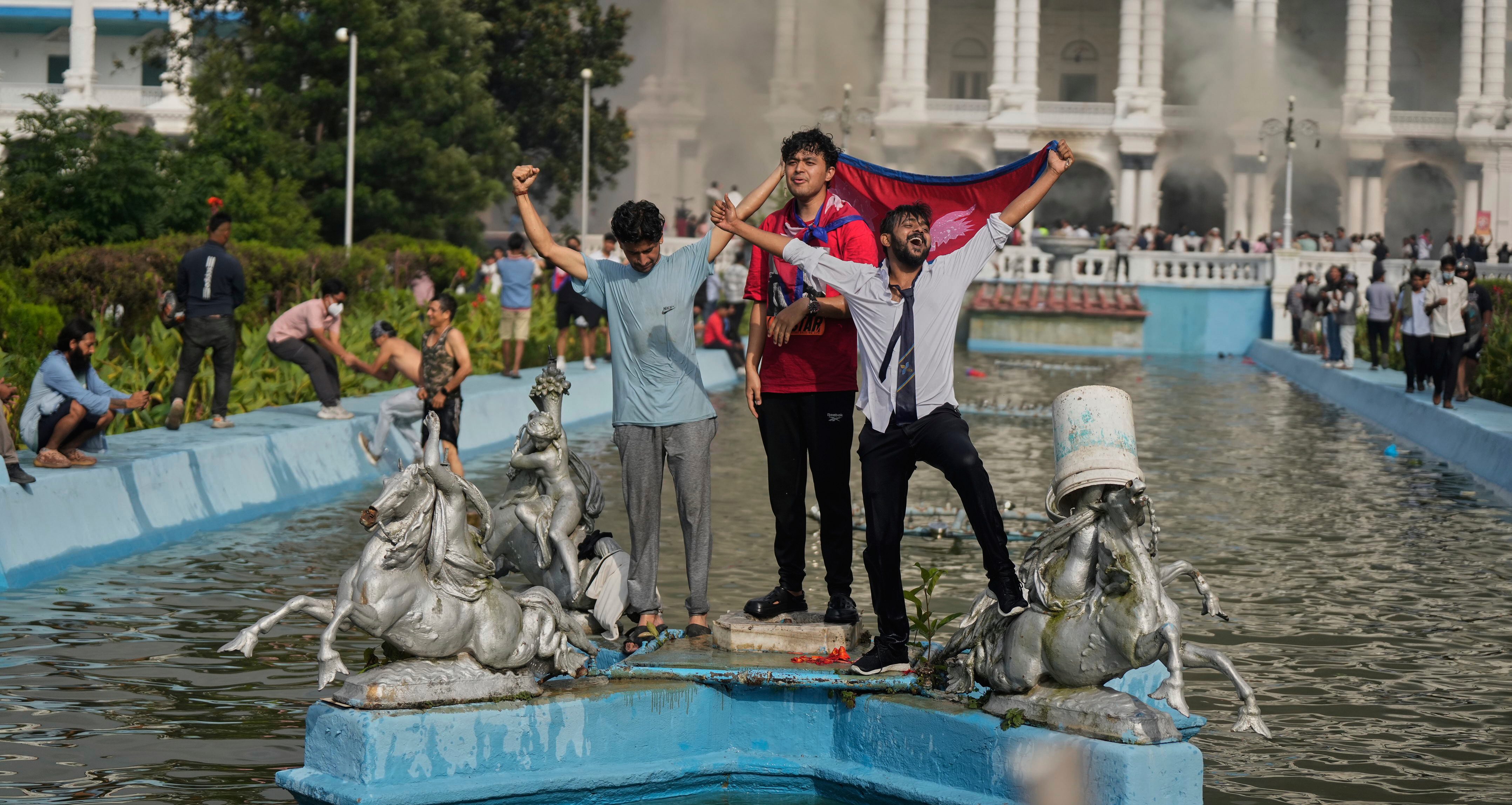
Young people in Nepal recently protested and changed the government, which has made China less powerful there.
Now, China is being more careful in Nepal, while India has a chance to improve its relationship with Nepal.
The airport hasn't had any international passenger flights yet.

Nepal's anti-graft body filed a corruption case against high-profile figures over Pokhara International Airport construction.
The airport, funded by a $215.96 million Chinese loan, allegedly suffered $74.34 million in losses due to cost inflation and political collusion.
China claimed the airport as a BRI flagship project, despite Nepal's rejection, leading to geopolitical shifts after the Gen-Z uprising.
The Gen-Z movement disrupted pro-China influence, weakening communist forces and reducing China's aggressive engagement in Nepal.
China has shifted to a cautious, security-focused approach, while India sees an opportunity to reset ties with Nepal.
- Who
- Nepal's anti-graft body, Chinese government, Nepali politicians and bureaucrats
- What
- Corruption case filed against high-profile figures over Pokhara International Airport construction
- When
- After media and researchers reported on the issue
- Where
- Nepal, specifically Pokhara International Airport
- Why
- Alleged cost inflation and political collusion leading to financial loss and substandard infrastructure
- Project
- Pokhara International Airport (PIA)
- Funding
- $215.96 million Chinese loan
- Alleged Loss
- $74.34 million
- Accusations
- Cost inflation and political collusion
- Impact
- No international passenger flights to date
- Geopolitical Shift
- Gen-Z movement disrupted pro-China influence
- China's Response
- Shifted to cautious, security-focused approach
- India's Opportunity
- Potential to reset ties with Nepal