

Archive · 27 Nov 2025
Justice Patel on PILs: Origin and Evolution
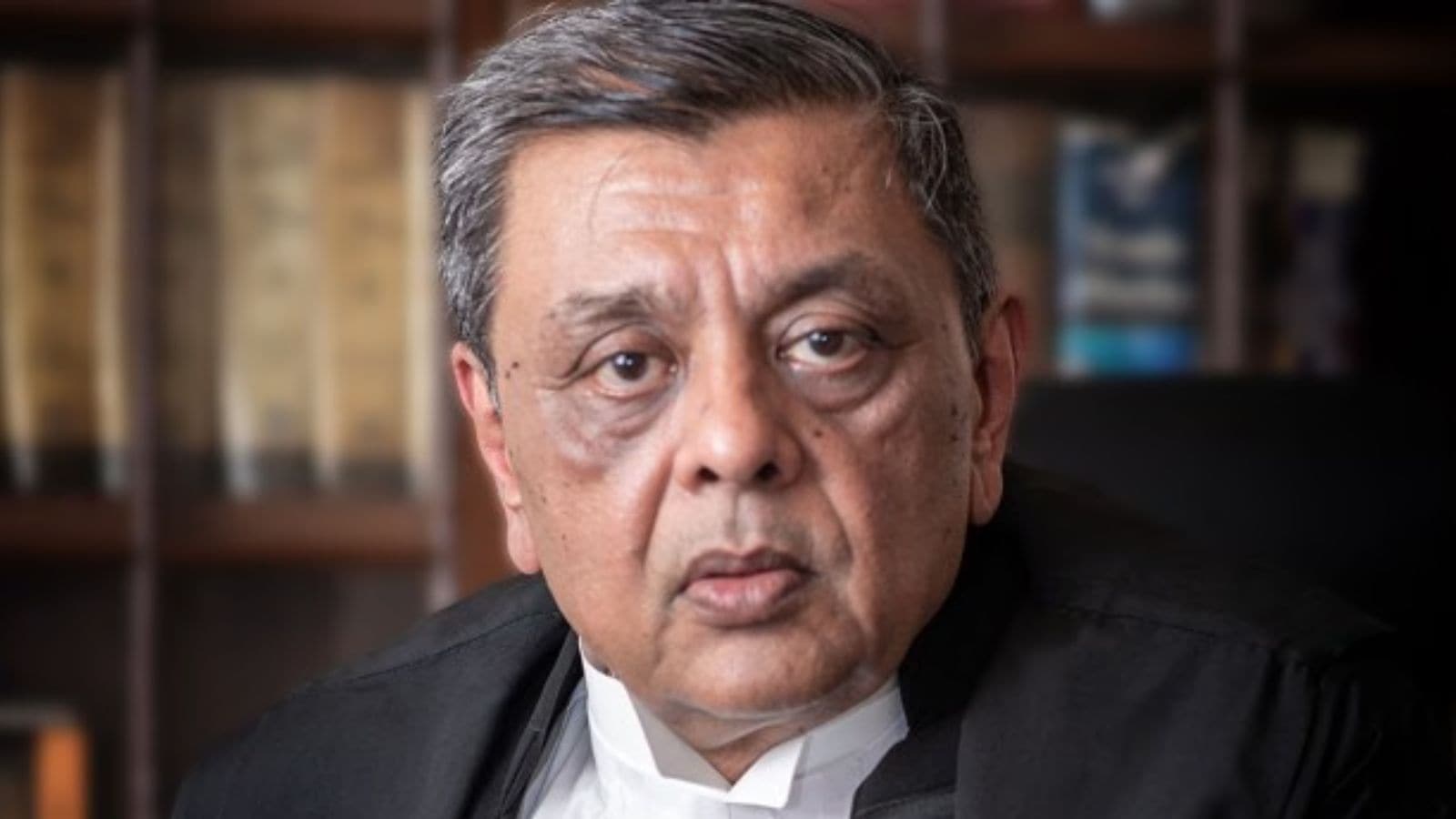
Justice G S Patel, a former judge, gave a talk about how Public Interest Litigations (PILs) started in India.
He said that after a difficult time called the Emergency, the courts wanted to regain people's trust.
They started allowing letters and postcards as petitions, making it easier for everyone to access justice.
This is called epistolary jurisdiction.
He also talked about how some judges, like Justice V R Krishna Iyer and Justice P N Bhagwati, helped make this possible.
PILs are special because they focus on big problems, not just personal issues.
Justice Patel also warned that sometimes PILs are misused for personal gain or to delay projects.
He discussed different views on whether courts should be so active in solving problems that the government and parliament should handle.

Justice G S Patel discussed the origin of PILs, tracing it back to the post-Emergency period when the judiciary sought to regain public trust.
PILs expanded the concept of 'locus standi', allowing petitions through letters and postcards, making justice more accessible.
Justice Patel acknowledged the roles of Justice V R Krishna Iyer and Justice P N Bhagwati in developing epistolary jurisdiction.
He cited the 1997 case of Vishaka vs State of Rajasthan as an example of the Supreme Court's role in shaping future legislation.
Justice Patel condemned the misuse of PILs for personal publicity, political rivalry, and other malicious purposes.
- Who
- Justice G S Patel, former judge of the Bombay High Court
- What
- Lecture on the origin and evolution of Public Interest Litigations (PILs)
- When
- November 26, 2023
- Where
- Gujarat National Law University (GNLU)
- Why
- To discuss the role and impact of PILs in Indian judiciary
- Speaker
- Justice G S Patel
- Event
- Lecture at Gujarat National Law University (GNLU)
- Date
- November 26
- Topic
- Red PIL or Blue PIL
- Key Figures
- Justice B N Srikrishna, Justice Ruma Pal, Justice V R Krishna Iyer, Justice P N Bhagwati
- Notable Case
- Vishaka vs State of Rajasthan (1997)