

Archive · 29 Sep 2026
How Ancient Animals Inspired the Myth of the Unicorn
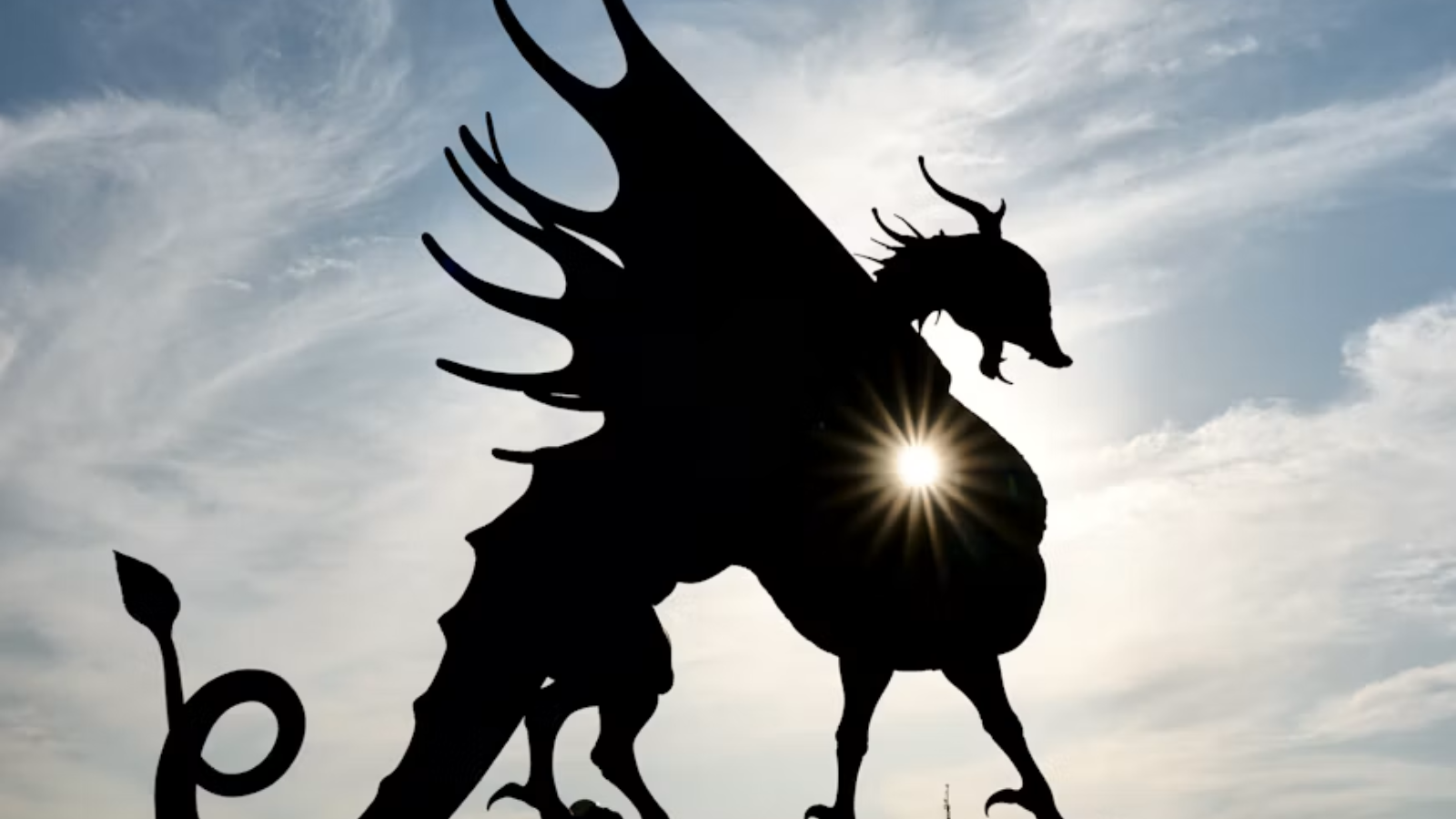
The unicorn is a mythical animal with one horn.
One of the earliest written descriptions came from Ctesias, a Greek physician.
He wrote about a strange animal from Persia in the fourth century BCE.
The animal was said to have a single multicoloured horn.
People may later have mistaken real animals, such as rhinoceroses and oryxes, for unicorns.
In medieval Europe, a Hebrew word was translated as “unicorn.”
This helped make the unicorn an important symbol in Christian stories.
Some “unicorn horns” sold as protection from poison were actually narwhal tusks.

Greek physician Ctesias described a unicorn-like animal in Persia during the fourth century BCE.
His account portrayed the creature as having a single multicoloured horn.
Later stories may have confused rhinoceroses and oryxes with unicorns.
Medieval translations of the Hebrew re'em as “unicorn” reinforced the creature’s Christian symbolism.
Many supposed unicorn horns were narwhal tusks sold as protection against poison.
- Who
- Greek physician Ctesias and later European translators and sellers of supposed unicorn horns.
- What
- The article explains how descriptions of real animals and translations helped shape the unicorn myth.
- When
- Ctesias wrote his account in the fourth century BCE; the myth was later reinforced in medieval Europe.
- Where
- The earliest account described an animal from Persia, while later symbolism developed in medieval Europe.
- Why
- Confusion with real animals, translation of the Hebrew re'em, and the sale of narwhal tusks helped develop and sustain unicorn beliefs.
- Early written account
- Attributed to the Greek physician Ctesias.
- Date of early account
- Fourth century BCE.
- Described origin
- Persia.
- Horn description
- A single multicoloured horn.
- Possible animal influences
- Rhinoceroses and oryxes.
- Religious influence
- Medieval translations of the Hebrew re'em as “unicorn” strengthened Christian symbolism.
- Supposed horns
- Many were narwhal tusks sold as protection against poison.