

Archive · 14 Jan 2026
Dowry Persists as Social Evil in India
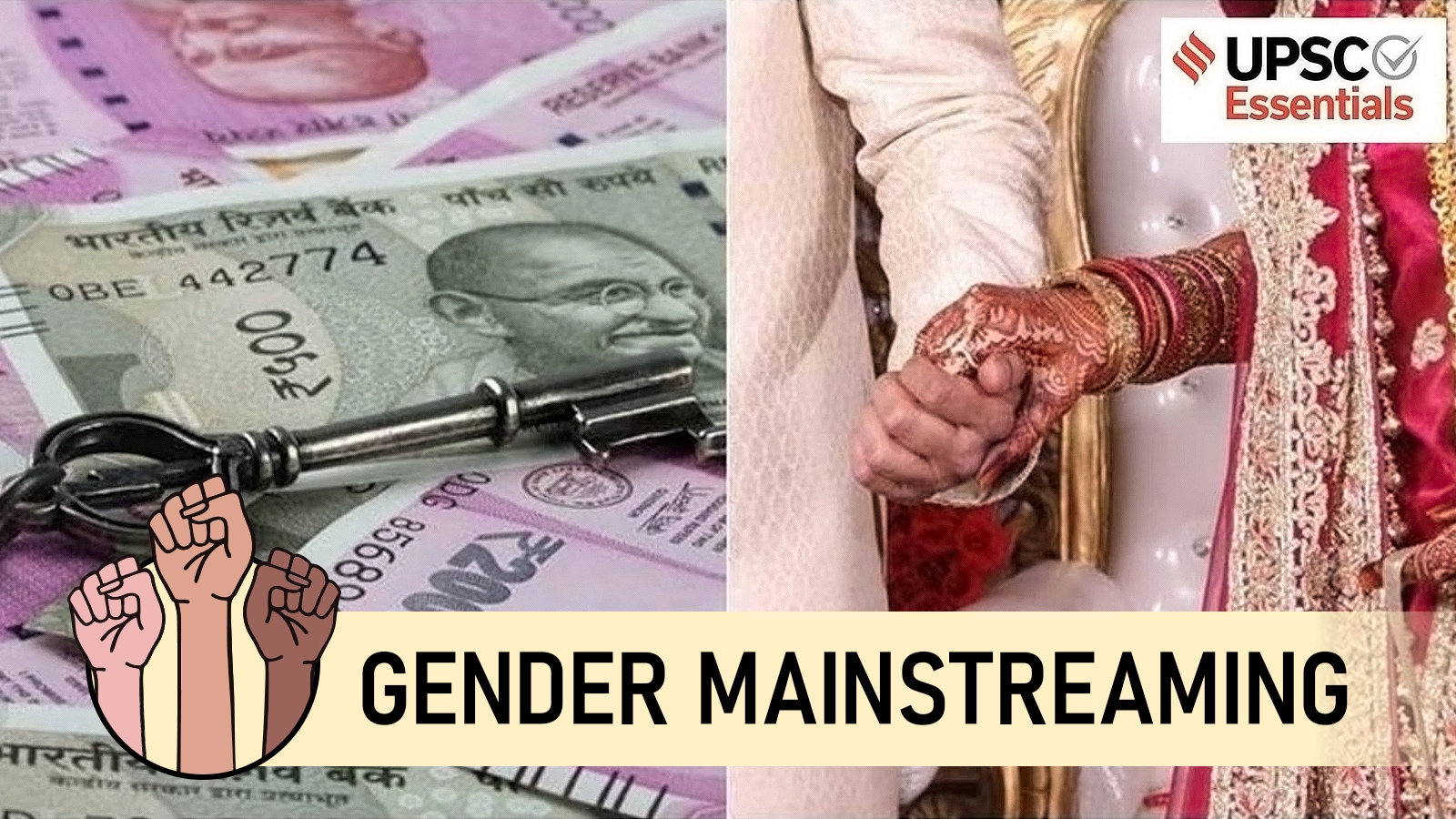
Dowry is the practice of giving gifts or money from the bride's family to the groom's family during marriage.
It started as a voluntary gift but has become a coercive demand.
Laws like the Dowry Prohibition Act and Section 498A of the IPC have been made to stop it, but dowry still happens because of social norms and community pressure.
Many women face harassment or even death due to dowry demands.
The Supreme Court says that to end dowry, society needs to change, not just the laws.
People need to be aware of their rights, and men should be taught that dowry is a crime.
Celebrating dowry-free marriages and including anti-dowry education in schools can help.

Dowry persists as a deeply entrenched social evil in India despite stringent laws like the Dowry Prohibition Act and Section 498A of the IPC.
Dowry has evolved from a voluntary gift to a coercive demand, linked to the perceived 'market value' of the groom and social status.
Legal interventions include the Dowry Prohibition Act (1961), Section 498A (1983), and Section 304B (1986) for dowry deaths, but enforcement remains challenging.
Social norms, community pressure, and the undervaluation of women in the marriage market contribute to the persistence of dowry.
Efforts to eradicate dowry include raising awareness, sensitising men, celebrating dowry-free marriages, and integrating anti-dowry campaigns into education.
- Who
- Families, particularly the bride's family, and the groom's family in India.
- What
- The persistent practice of dowry despite legal prohibitions and social awareness campaigns.
- When
- Dowry has been a long-standing issue, with recent focus on its persistence and legal interventions since the 1960s.
- Where
- Across India, prevalent in various castes, communities, religions, and regions.
- Why
- Dowry persists due to deeply entrenched social values, cultural normalisation, and the undervaluation of women in the marriage market.
- Dowry Definition
- Any property or valuable security given or agreed to be given directly or indirectly by one party to a marriage to the other party or their parents.
- Dowry Prohibition Act
- 1961, criminalises demanding, taking, and giving dowry.
- Section 498A IPC
- Cruelty by husband or relative, applicable since 1983.
- Section 304B IPC
- Dowry death, introduced in 1986, shifts burden of proof to the accused.
- NCRB Dowry Deaths
- Over 34,000 recorded between 2018-2022.
- Anti-Dowry Movement
- 1970s-1980s, shifted dowry from private to public issue.
- Dowry-Free Marriages
- Public recognition and celebration suggested as a solution.