Archive · 19 Jun 2025
NTSB Issues Urgent Safety Recommendation on CFM Engine Smoke Risk

The NTSB, a US safety group, is warning about potential smoke in some Boeing 737 Max planes.
This happens because of a problem with CFM LEAP-1B engines after bird strikes.
The engine has a safety feature to reduce vibrations but this may cause damage to the oil system.
This can let hot oil smoke into the cockpit or cabin.
The NTSB wants pilots to know what to do if smoke appears.
Software updates will be implemented to stop or lessen the smoke.

NTSB issued urgent safety recommendations for Boeing 737 Max aircraft with CFM LEAP-1B engines due to smoke risk.
The recommendation follows incidents where bird strikes damaged engines, causing smoke to enter cockpits and cabins.
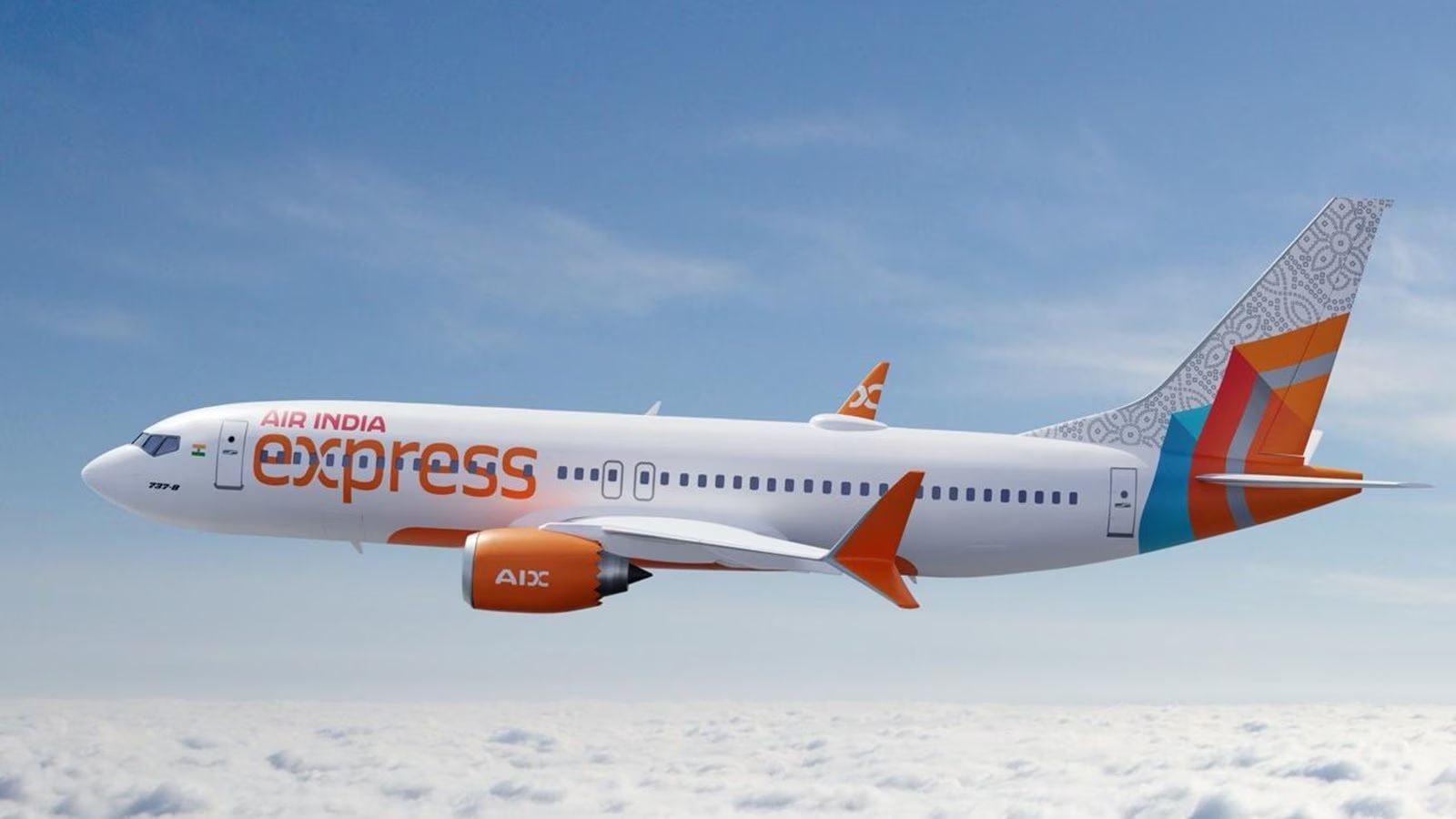
Affected airlines include Air India Express and Akasa Air, which operate the Boeing 737 Max.
NTSB recommends informing pilots about the hazard and required mitigation actions.
Software modifications by CFM and Boeing are expected to prevent or limit smoke.
- Who
- The NTSB issued the recommendation for airlines operating Boeing 737 Max with CFM LEAP-1B engines.
- What
- NTSB issued a safety recommendation due to smoke risk from CFM engines.
- When
- The recommendation was issued after incidents in March and December 2023.
- Where
- Incidents occurred on Southwest Airlines flights and affects airlines using Boeing 737 Max and CFM LEAP-1B engines globally.
- Why
- To prevent smoke entering the cockpit/cabin due to potential engine oil system damage and ensure pilot awareness.
Airlines (Implicit)
N/A
Operational Impact
Airlines (Implicit)
May need to adjust operations/procedures based on NTSB findings.
N/A
N/A
- Concerned Aircraft
- Boeing 737 Max
- Affected Engine
- CFM International LEAP-1B
- NTSB Recommendation
- Inform flight crews of potential hazard and mitigation actions.
- Incident Cause
- Bird strikes leading to engine damage.
- Affected Airlines
- Air India Express, Akasa Air, Southwest Airlines