

Archive · 29 Sep 2026
Trump Leaves Iran Strikes Possible as Tehran Warns of War
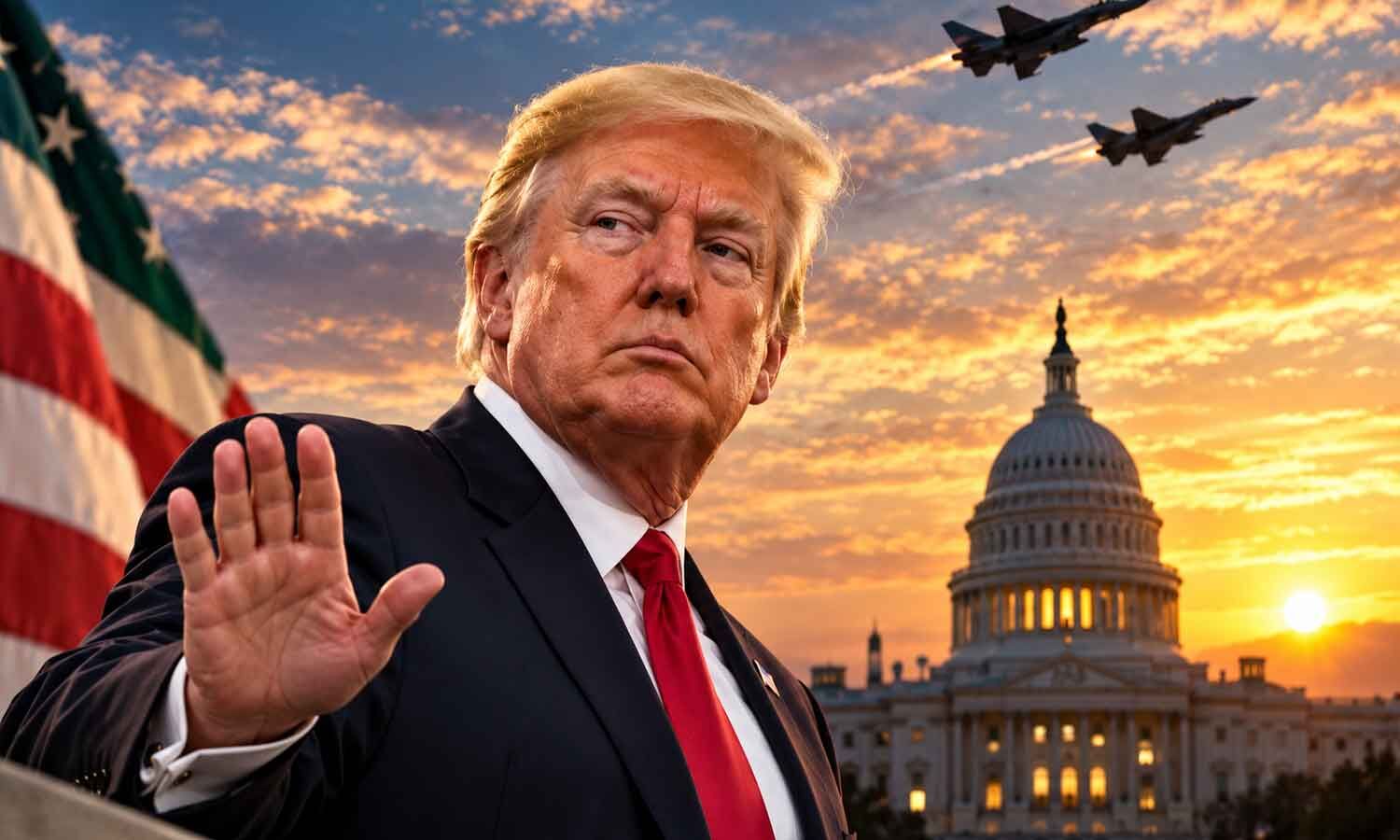
Donald Trump said the United States might attack Iran again before the November elections.
He also said he expected the United States to win the war soon.
Trump said stopping Iran from getting a nuclear weapon was a main goal.
Iran’s foreign minister said Iran was ready to fight if attacks resumed.
He called the worst possible conflict a “doomsday war.”
However, Iran also said it still wanted to use diplomacy to seek peace.
Iran offered a temporary plan involving the Strait of Hormuz, frozen money, and oil sales.
The United States called the proposal unacceptable, while officials gave different assessments of the conflict’s effects on oil shipments.

Donald Trump said renewed US strikes on Iran before the November midterm elections were possible.
Trump predicted the United States would win the war soon and said Iran must not obtain a nuclear weapon.
Iranian Foreign Minister Abbas Araghchi warned of a possible “doomsday war” but said Tehran remained open to diplomacy.
Iran proposed a seven-day arrangement to reopen the Strait of Hormuz, release frozen assets, and allow oil sales.
US Ambassador Mike Waltz called the proposal cynical, while Energy Secretary Chris Wright said oil flows through Hormuz averaged nearly 13 million barrels daily.
- Who
- US President Donald Trump, Iranian Foreign Minister Abbas Araghchi, US Ambassador Mike Waltz, and US Energy Secretary Chris Wright.
- What
- The United States and Iran exchanged warnings and diplomatic positions over possible renewed strikes, a temporary ceasefire, and negotiations.
- When
- The statements were made on Sunday; the proposed arrangement followed a temporary ceasefire reached in June and concerned the November midterm elections.
- Where
- Trump spoke at the PGA Tour Presidents Cup, Araghchi spoke to NBC News, and the dispute concerns the United States, Iran, and the Strait of Hormuz.
- Why
- The central disputes involve preventing Iran from obtaining a nuclear weapon, reopening the Strait of Hormuz, releasing frozen Iranian assets, and allowing Iran to sell oil.
Iran’s Position
United States Position
Military action or diplomacy
Iran’s Position
Iran said it was prepared to resist renewed attacks but remained willing to pursue diplomacy and peace talks.
United States Position
Trump continued to leave military action open while saying the United States expected to win soon.
Ceasefire proposal
Iran’s Position
Iran offered to reopen the Strait of Hormuz under a seven-day arrangement tied to conditions, renewed nuclear talks, access to frozen assets, and oil sales.
United States Position
The United States rejected the proposal, with Waltz saying its demands for sanctions relief and access to frozen funds were unacceptable.
Conflict and economic pressure
Iran’s Position
Iran said its national interests mattered more than the US midterm elections and demanded access to its assets and oil markets.
United States Position
Trump said military and economic pressure were helping the United States prevail, while Wright said oil flows through Hormuz remained substantial.
- Potential strikes
- Trump said renewed US military action against Iran before the midterm elections was possible.
- US objective
- Trump said Iran must not obtain a nuclear weapon.
- Iranian warning
- Araghchi said Iran was prepared for renewed attacks, even a “doomsday war.”
- Iranian proposal
- Iran proposed a seven-day plan involving the reopening of the Strait of Hormuz and renewed nuclear talks.
- Iranian demands
- Iran wants frozen assets released and permission to sell its oil.
- US response
- Mike Waltz described Iran’s proposal as a cynical attempt to obtain sanctions relief and access to billions in assets.
- Oil flows
- Chris Wright said oil shipments through the Strait of Hormuz averaged nearly 13 million barrels per day, with more than 20 million barrels moving on one day the previous week.
