

10 months ago
Human Neurons: The New Silicon for AI
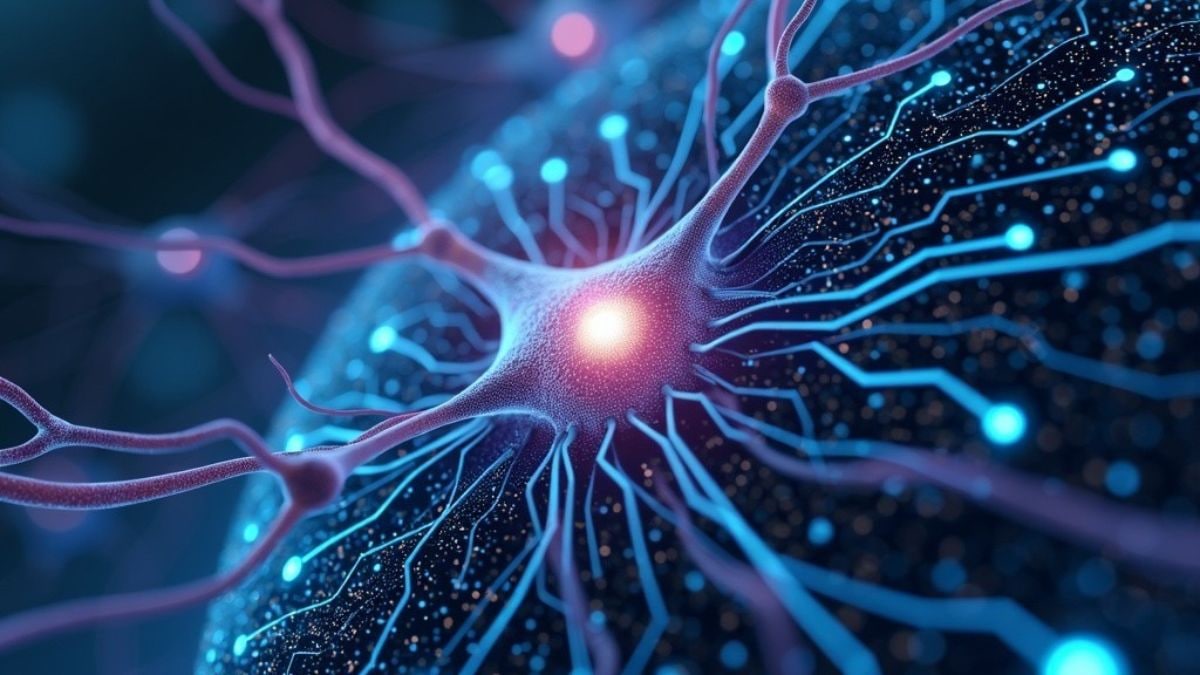
Scientists are experimenting with using real human brain cells, called 'wetware,' to build computers and artificial intelligence (AI).
Companies are merging these brain cells with computer chips to make AI that can learn faster and use much less energy than current computers.
Some believe brain cells could even replace computer chips in the future because they can reproduce themselves and are incredibly energy-efficient.
Brain-computer interfaces, which are part of this technology, allow people to control machines with their thoughts, helping with things like prosthetic limbs.
However, this new technology also brings big questions about protecting our thoughts and brain data from being hacked or misused.
There are also concerns about whether everyone will be able to afford these enhancements, potentially creating a divide between those who can augment their brains and those who cannot.
Society, laws, and schools will need to change to keep up with these advancements.

Melbourne-based Cortical Labs launched CL1, merging stem-cell derived neurons with silicon for faster learning and less energy consumption.
Swiss start-up FinalSpark believes brain cells could replace silicon chips in AI, offering endless reproduction and greater energy efficiency.
Wetware, the organic neural substrate, is emerging as a third component in computing, alongside hardware and software.
Brain-computer interfaces (BCIs) are already changing health, communication, and mobility by translating neural signals into digital commands.
Cognitive enhancement and neural data raise questions about ownership, mental privacy, bio-cybersecurity, and potential societal divides.
- Who
- Cortical Labs, FinalSpark, Neuralink, Synchron, Precision Neuroscience, Merge Labs, and researchers exploring 'wetware'.
- What
- Developing and exploring the use of human brain cells (wetware) integrated with technology, and Brain-Computer Interfaces (BCIs), to create more efficient AI and enhance human capabilities.
- Where
- Melbourne, Australia (Cortical Labs); Vevey, Switzerland (FinalSpark).
- When
- Cortical Labs launched CL1 earlier this year; investments have been pouring in since 2023; companies like Neuralink were founded earlier.
- Why
- To create AI that learns faster and consumes less energy than silicon-based AI, and to extend human cognition into the digital realm, transforming health, communication, and mobility.
Proponents of Wetware
Cautionary Voices
Potential Benefits vs. Risks
Proponents of Wetware
Wetware, using real brain cells, offers endless reproduction and superior energy efficiency (a million times more) compared to silicon chips, potentially leading to faster learning and adaptability in AI.
Cautionary Voices
The integration of wetware and BCIs raises significant concerns about neural hacking, the ownership of thoughts and neural data, mental privacy, and the potential for surveillance, coercion, and influence at unprecedented levels.
Cognitive Enhancement and Equity
Proponents of Wetware
Wetware enables enhanced human cognition and opens new possibilities for controlling devices with the mind, potentially transforming health, communication, and mobility.
Cautionary Voices
Cognitive enhancement forces a debate on what constitutes 'normal' and risks creating a 'neural divide' if access to augmentation becomes a privilege of wealth, requiring societal frameworks, laws, and education systems to adapt to ensure equity.
Key facts
- Technology
- Wetware (stem-cell derived neurons integrated with silicon) and Brain-Computer Interfaces (BCIs)
- Companies Involved
- Cortical Labs, FinalSpark, Neuralink, Synchron, Precision Neuroscience, Merge Labs
- Key Advantages
- Faster learning, superior energy efficiency (potentially a million times), endless reproduction of neurons, enhanced human cognition, and improved control over devices.
- Emerging Concerns
- Neural hacking, ownership of neural data and thoughts, mental privacy, bio-cybersecurity risks, equitable access to cognitive augmentation, and adaptation of legal and educational systems.
- Investment Trend
- Significant investment pouring in since 2023, with figures like OpenAI's Sam Altman establishing new ventures in the space.
- Potential Impact
- Blurring the lines between human cognition and machine computation, potentially marking a civilizational inflection point.
Quotes
Fred Jordan
Co-founder of Swiss start-up FinalSpark
“Instead of trying to mimic, let’s use the real thing.”
 financialexpress.com
“That makes sense for two stand-out reasons—one, that neurons can be reproduced endlessly in the labs; and two, that these bio processors will be a million times more energy efficient, addressing major concerns around chip and power availability and cost.”
financialexpress.com
Dr Hon Weng Chen
Founder and CEO of Cortical Labs
“We take blood or skin and transform them into stem cells, into neurons, and then use them for compute and intelligence.”
financialexpress.com
Sources
Related news

Hedge Fund Manager Says Gold Decline Is Temporary

Alcaraz Urges Grand Slam Cutoff After Record US Open Finish

Two Visakhapatnam Women Killed in Melbourne Car Crash

Deandra Dottin Re-Signs With Melbourne Renegades for WBBL 12

NFL Week 2 Features New Stadium Debut and Key Matchups
