

Archive · 24 Dec 2025
Scientists Discover Deep Arctic Ecosystem with Methane and Strange Life
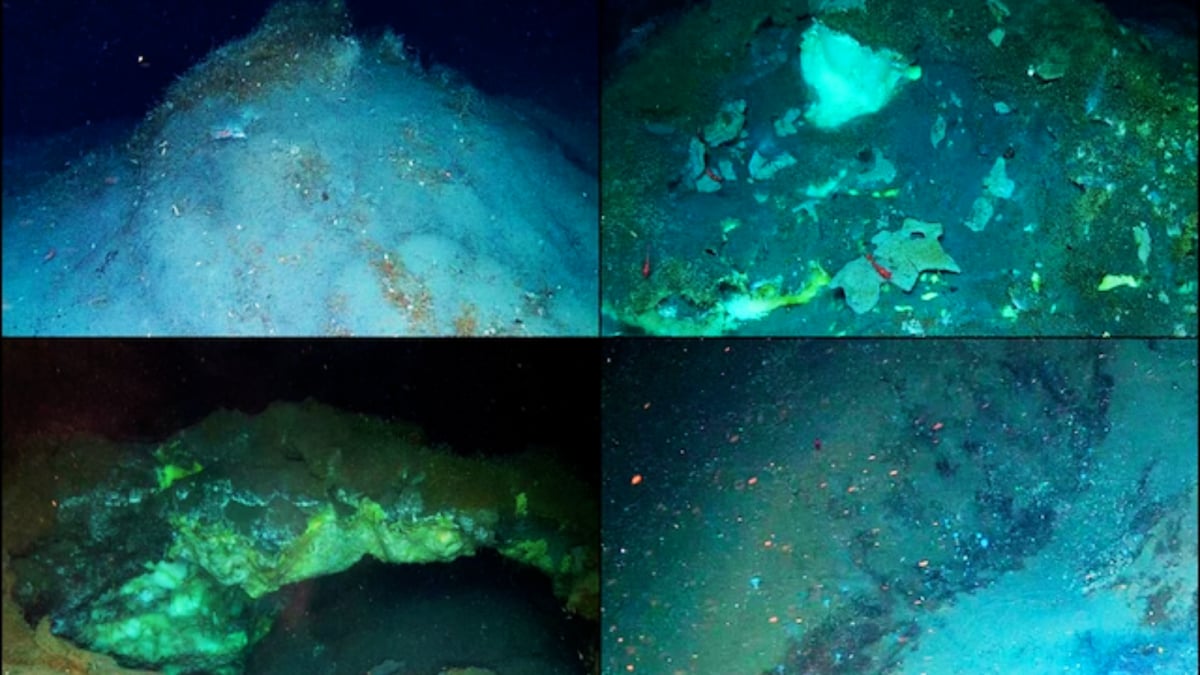
Scientists found a new ecosystem deep under the Arctic Ocean.
It's 3,640 metres down and has lots of methane gas and oil.
They also found strange creatures living there that don't need sunlight.
This place is the deepest of its kind ever found.
The methane could affect our climate, and scientists are worried about people disturbing this area.
They want to study it more to understand how it might change with global warming.

Scientists discovered a deep Arctic ecosystem at 3,640 metres in the Greenland Sea, the deepest gas hydrate cold seep ever found.
The site, called Freya Hydrate Mounds, leaks methane gas and crude oil, with plumes rising up to 3,300 metres.
Unique life forms, including chemosynthetic organisms like tubeworms and specialised snails, thrive in this dark environment.
The discovery challenges geological assumptions and raises climate concerns due to methane's potent greenhouse effect.
Scientists warn about potential human interference, such as deep-sea mining, which could damage these fragile ecosystems.
- Who
- Scientists from UiT and international team
- What
- Discovery of deep Arctic ecosystem with methane and unique life forms
- When
- December 24, 2025
- Where
- Greenland Sea, Molloy Ridge, 3,640 metres deep
- Why
- To understand Arctic's future, deep-sea processes, and climate implications
- Depth
- 3,640 metres
- Location
- Greenland Sea, Molloy Ridge
- Methane Plume Height
- 3,300 metres
- Organisms Found
- Siboglinid and maldanid tubeworms, specialised snails, amphipods
- Publication
- Nature Communications
- Expedition
- Ocean Census Arctic Deep
- Lead Institution
- UiT
- Chief Scientist
- Giuliana Panieri