

Archive · 17 Sep 2025
Pasta Cooking Time Affects Blood Sugar, Says Biochemist
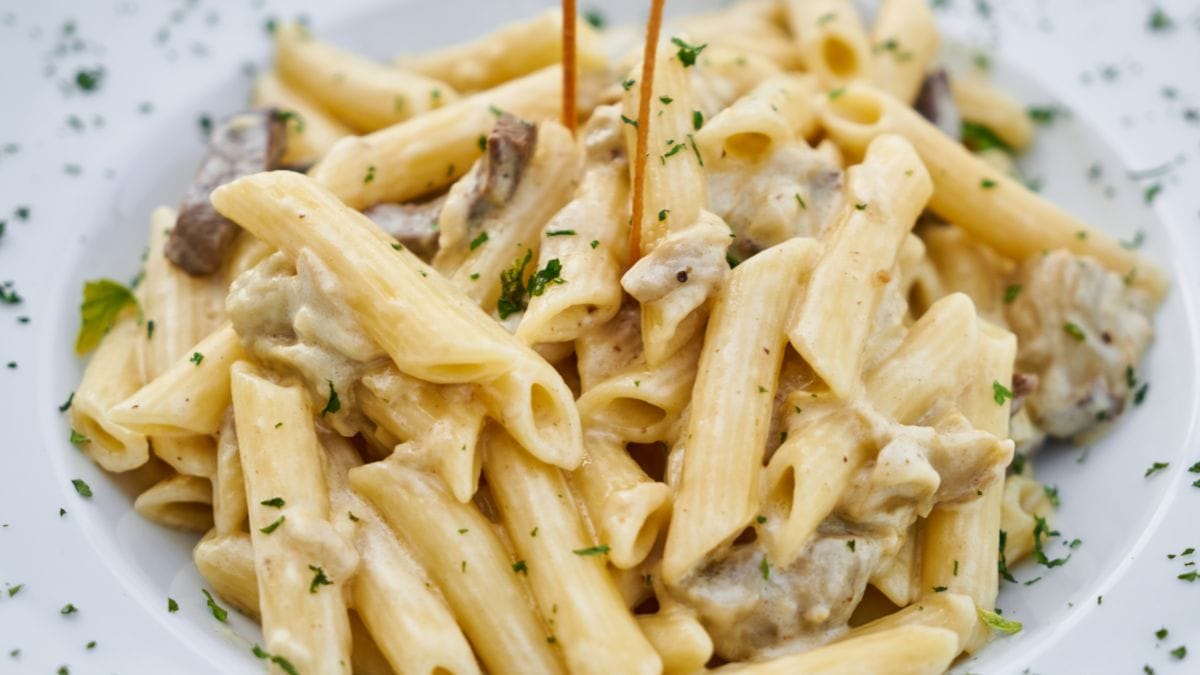
If you love pasta but worry about blood sugar, here's a tip!
A scientist says how you cook pasta makes a difference.
Cooking pasta for a long time makes it easy to digest, which can cause blood sugar to jump up.
But if you cook it less, it takes longer to digest, so the sugar doesn't spike as much.
It's like the starch in pasta breaks down slower.
The scientist also suggests cooking, cooling, and reheating pasta.
This turns some starch into something your body absorbs less, also helping with sugar levels.
This is good news because it reduces stress on your body!

French biochemist Jessie Inchauspé explains how cooking pasta affects blood sugar.
Long cooking times make pasta easier to digest, causing faster glucose release.
Shorter cooking times (al dente) slow down digestion and reduce blood sugar spikes.
Cooling and reheating pasta converts starch into resistant starch, which balances blood sugar.
These methods help reduce inflammation and metabolic stress.
- Who
- French biochemist Jessie Inchauspé
- What
- Revealed that pasta cooking time affects blood sugar spikes.
- When
- The information was shared in a recent Instagram post.
- Where
- N/A
- Why
- To help manage blood sugar levels and reduce metabolic stress.
General Public
Biochemist Perspective
Cooking Method
General Public
May cook pasta as preferred for taste and texture without considering health impacts.
Biochemist Perspective
Recommends cooking pasta al dente, cooling, and reheating to control blood sugar spikes.
- Expert
- Jessie Inchauspé (Glucose Goddess)
- Pasta Type
- Whole grain recommended
- Cooking Method
- Cook al dente, cool, reheat
- Effect of Long Cooking
- Easier to digest, causing blood sugar spike
- Effect of Short Cooking
- Slower digestion, reducing blood sugar spike
- Additional Method
- Cooking, cooling, and reheating converts starch to resistant starch.