

Archive · 22 Sep 2026
India Studies US Tariff Law Targeting Russian Energy Buyers
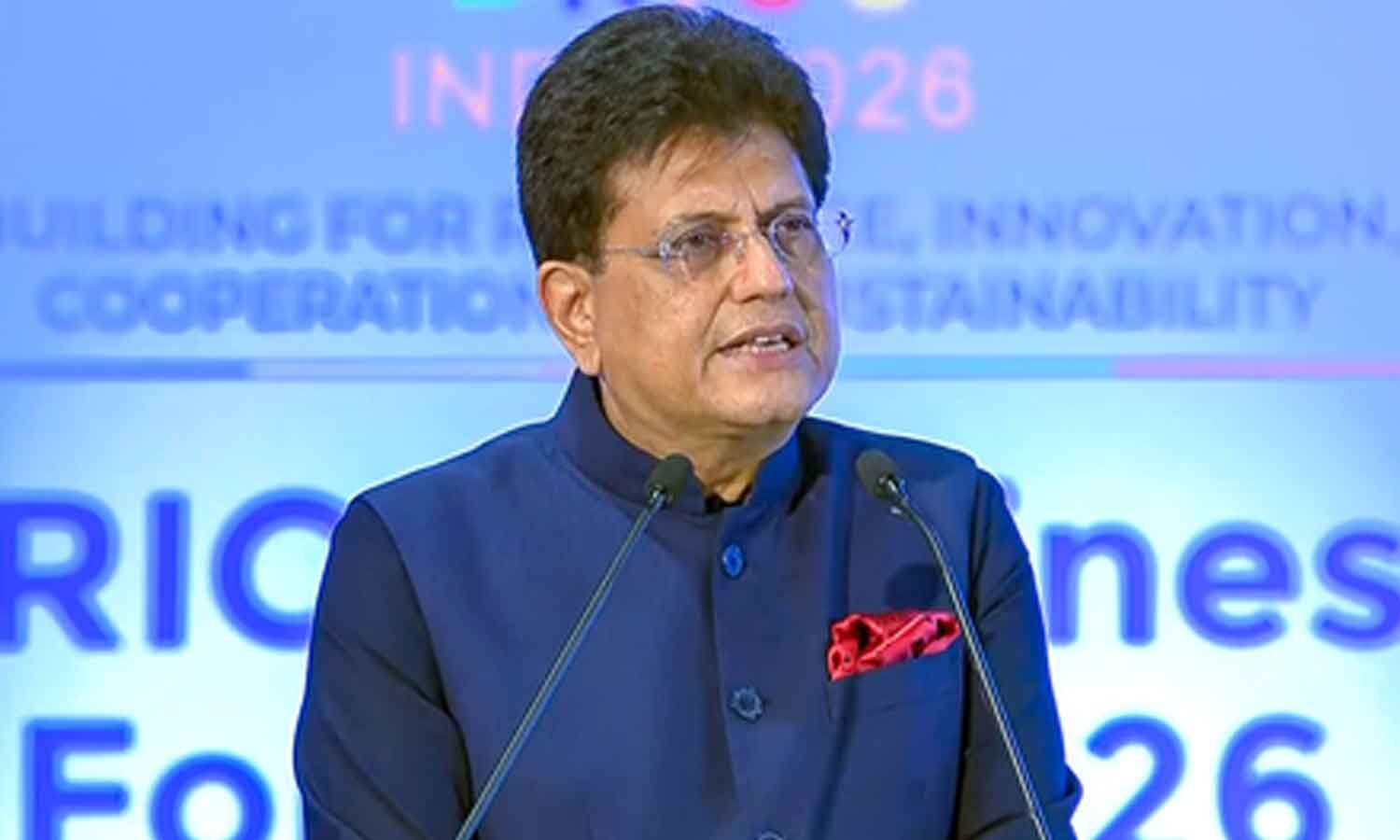
India is studying a new United States law related to Russian oil and gas.
Commerce Minister Piyush Goyal said officials want to understand the law before responding.
President Donald Trump signed the law on September 18, 2026.
It allows the United States to impose tariffs as high as 100% on goods from countries that buy large amounts of Russian energy.
These tariffs would not happen automatically.
One report says the law does not name countries, while another says it could cover the five biggest buyers based on recent purchase volumes.
India is a major buyer of Russian crude and could therefore be affected.
India and the United States are also negotiating a trade agreement.
Indian officials say the country’s energy purchases and response will be guided by national interests.

Commerce Minister Piyush Goyal said India will study the US sanctions law before commenting on its implications.
Donald Trump signed the Lindsey O. Graham Sanctioning Russia and Iran Act of 2026 on September 18.
The law gives the US administration authority to impose tariffs of up to 100% on goods from major buyers of Russian oil and gas.
The tariffs are not automatic, and the articles differ on how potential target countries would be identified.
India is assessing the measure while continuing bilateral trade negotiations and importing Russian crude.
- Who
- India, represented by Commerce and Industry Minister Piyush Goyal, is reviewing a law signed by US President Donald Trump.
- What
- India is studying legislation that authorizes possible US tariffs of up to 100% on goods from major buyers of Russian energy.
- When
- Goyal spoke on September 21, 2026, and Trump signed the law on September 18, 2026.
- Where
- Related discussions are expected at the G20 Trade Ministerial in Milwaukee on September 30-October 1.
- Why
- India is assessing possible effects on its Russian energy purchases, bilateral trade with the United States, and ongoing trade negotiations.
India’s Cautious and National-Interest Position
US Sanctions and Tariff Authority
India’s response
India’s Cautious and National-Interest Position
Piyush Goyal said India would study the details before commenting, while the Ministry of External Affairs said energy procurement and responses to trade measures would be guided by national interests.
US Sanctions and Tariff Authority
The law gives the US administration authority to impose additional tariffs on countries that continue significant purchases of Russian energy.
Effect on bilateral ties
India’s Cautious and National-Interest Position
India’s Ministry of External Affairs warned that targeting India could adversely affect the bilateral relationship and the global energy market.
US Sanctions and Tariff Authority
The legislation expands economic pressure on Russia and authorizes possible tariffs on major Russian energy buyers, although the articles do not establish that India will definitely be targeted.
Trade agreement
India’s Cautious and National-Interest Position
India says it will finalize the bilateral trade agreement after Washington offers its exporters a competitive tariff rate compared with rival countries.
US Sanctions and Tariff Authority
The United States and India continue negotiating while the new tariff authority adds uncertainty to the discussions.
- Indian official
- Piyush Goyal, Commerce and Industry Minister
- US legislation
- Lindsey O. Graham Sanctioning Russia and Iran Act of 2026
- Signing date
- September 18, 2026
- Potential tariff
- Up to 100% on goods from major buyers of Russian crude oil or natural gas
- Tariff status
- The tariffs are discretionary rather than automatic and would depend on a decision by the US administration
- Possible criteria
- One report says the law does not name countries; another says it could cover the five biggest buyers based on purchases during the preceding 12 months
- Upcoming meeting
- The G20 Trade Ministerial is scheduled for September 30-October 1 in Milwaukee

