

Archive · 29 May 2025
Understanding the Body Clock: Circadian Rhythms and Your Health
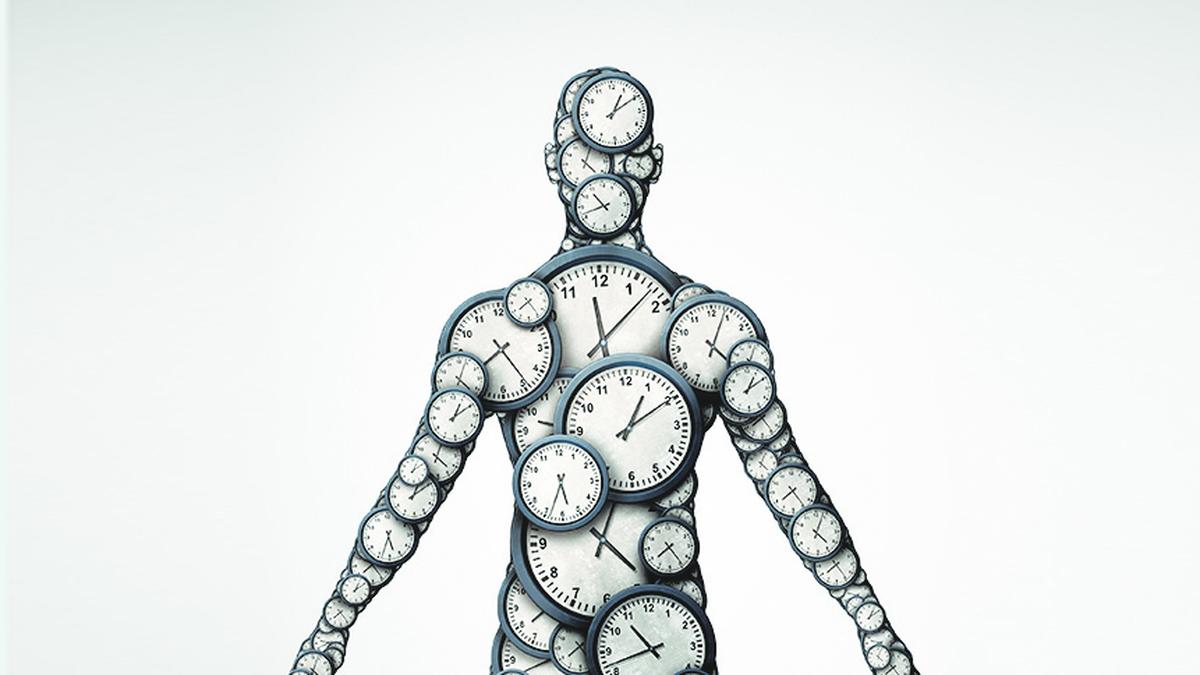
Your body has a built-in clock called a circadian rhythm, like a daily schedule.
This clock helps your body know when to sleep, eat, and be active.
It's controlled by a part of your brain and is affected by things like sunlight and mealtimes.
When you are exposed to sunlight during the day and darkness at night, your body releases hormones like cortisol to wake you up and melatonin to make you sleepy.
When the rhythm is off, like from traveling or staying up late, it can make you tired and affect your health.
Eating and exercising at the right times, and ensuring proper sleep are crucial for maintaining a healthy rhythm.

Circadian rhythms are the body's internal 24-hour clock.
Light is the strongest external factor affecting the circadian rhythm.
Meal timing and exercise can also affect circadian rhythms.
Disruptions to circadian rhythms can negatively impact health.
Adjusting meal times and exercise can help maintain or improve circadian rhythms.
- Who
- The article discusses circadian rhythms in plants, animals, and humans.
- What
- Circadian rhythms are internal biological clocks that regulate various bodily functions.
- When
- Circadian rhythms operate on a 24-hour cycle, influenced by light, food, and other factors.
- Where
- The brain's suprachiasmatic nucleus (SCN) and peripheral clocks throughout the body.
- Why
- To understand how our bodies function and how to maintain healthy rhythms.
School Start Times
School Start Times
Scheduling
School Start Times
Delaying school start times for teenagers
School Start Times
Starting later may pose logistical and scheduling issues, though the article doesn't mention specific arguments.
- Circadian Rhythm Length
- 24-hour cycle
- Zeitgebers (Time Givers)
- Light, food, noise, stress, social environment, and temperature.
- Master Clock Location
- Suprachiasmatic nucleus (SCN)
- Strongest Zeitgeber
- Morning sunlight
- Timing matters
- Evening exercise and statins