

Archive · 19 Aug 2025
How Scientists Introduced New Seeds To Tackle Food Shortages
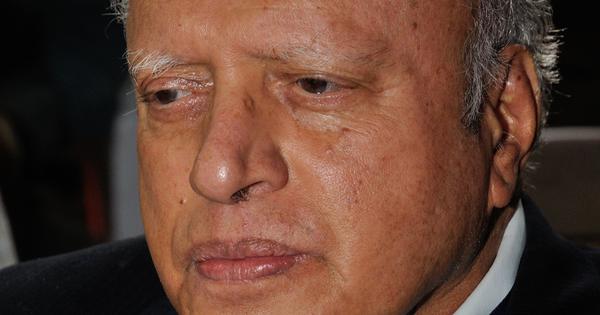
In the 1960s, India was struggling with food shortages and hunger.
The government brought in a new agriculture minister, C. Subramaniam, who asked scientists for help.
Scientist M.S. Swaminathan suggested using new, high-yielding seeds from Norman Borlaug.
These seeds could grow more food.
The minister gave the go-ahead for trials on farmers' fields.
Swaminathan and his team then worked hard to convince farmers to try the new seeds, which would help India grow more food and become more self-sufficient.

India faced severe food shortages and widespread hunger in the 1960s.
C. Subramaniam, the new Minister of Agriculture, sought solutions from agricultural scientists.
M.S. Swaminathan advocated for the use of new, high-yield hybrid seeds from Norman Borlaug.
Subramaniam approved funding for National Seed Demonstrations on farmers' fields.
Swaminathan and his team worked to convince farmers to adopt the new seed varieties.
- Who
- M.S. Swaminathan, C. Subramaniam, and farmers.
- What
- Introduction of new hybrid seeds to address food shortages in India.
- When
- Mid-1960s.
- Where
- India.
- Why
- To combat food shortages and improve agricultural yields.
Skeptics
Supporters
Seed Origin
Skeptics
Some were wary of importing seeds.
Supporters
Supporters believed the seeds were critical to increasing production.
- Key Figures
- M.S. Swaminathan, C. Subramaniam, Lal Bahadur Shastri
- Event
- National Seed Demonstrations
- Seeds
- Hybrid wheat and rice varieties.
- Initiative goal
- Increase crop yield