

Archive · 31 Jan 2026
Forever Chemicals: Global Push to Ban PFAS
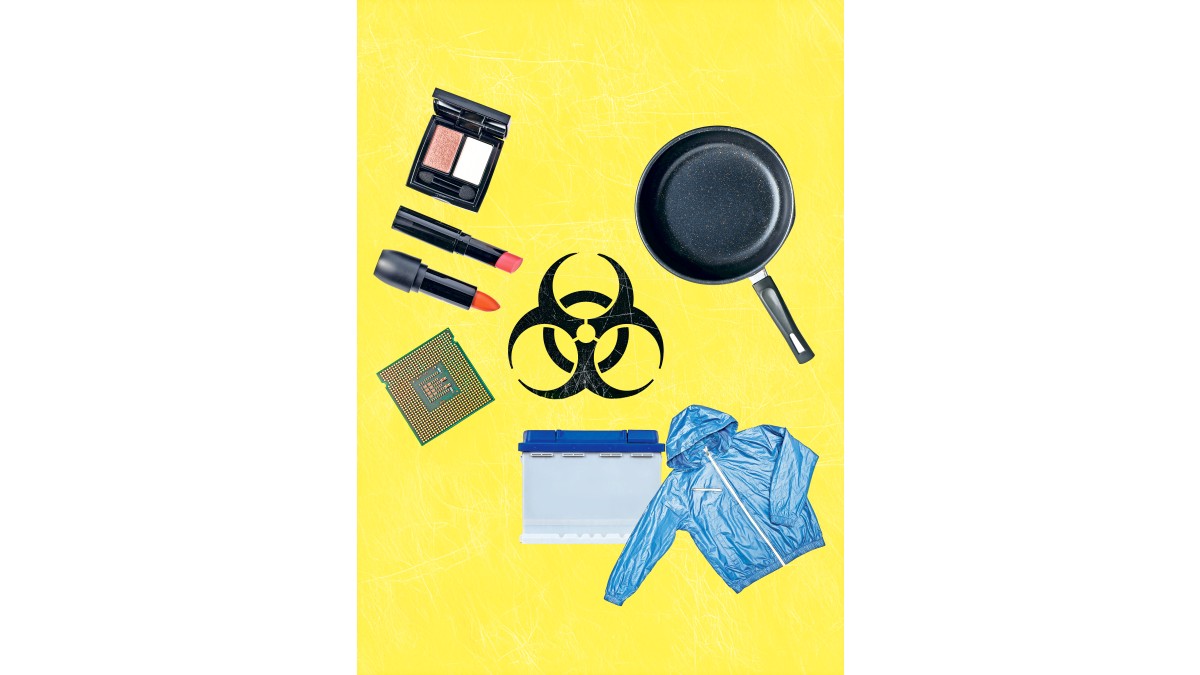
PFAS, or 'forever chemicals,' are special man-made chemicals used in many products like non-stick pans and waterproof jackets.
They are very strong and don't break down easily, which makes them useful but also dangerous.
These chemicals can pollute water, air, and soil, and they have been found in rainwater, ice, and even human blood.
Scientists have linked them to serious health problems like cancer and infertility.
Because they are so hard to destroy, governments around the world are trying to ban or limit their use.
The US and Europe are setting strict rules, while India is still figuring out how to handle the problem.
New technologies and startups are working on ways to clean up PFAS and find safer alternatives.
The goal is to protect people and the environment from these harmful chemicals.

PFAS, or 'forever chemicals,' are synthetic compounds used in various products that resist heat, water, and oil.
PFAS contamination is widespread, found in rainwater, polar ice, cosmetics, and human blood, posing significant health risks.
Governments worldwide are implementing strict regulations to limit or ban PFAS, with the US and EU leading the charge.
India lacks comprehensive regulatory standards and monitoring mechanisms for PFAS, but new technologies and startups are emerging to address the issue.
The global push to phase out PFAS is driven by the need to protect health and the environment, with new innovations aiming to destroy or replace these harmful chemicals.
- Who
- Governments, scientists, industries, and startups are involved in addressing PFAS contamination.
- What
- PFAS, or 'forever chemicals,' are synthetic compounds used in various products that resist heat, water, and oil.
- When
- PFAS have been used since the 1940s, and recent regulatory actions are being implemented in 2024 and beyond.
- Where
- PFAS contamination is global, affecting water sources, soil, and human health in various countries.
- Why
- PFAS are harmful due to their indestructibility and widespread use, leading to environmental and health risks.
- PFAS
- Per- and polyfluoroalkyl substances, known as 'forever chemicals'
- Global Contamination
- PFAS found in rainwater, polar ice, cosmetics, and human blood
- Health Risks
- Linked to cancer, hormonal disorders, infertility, and developmental problems
- Regulatory Actions
- US and EU implementing strict limits and bans on PFAS
- India's Status
- Lacks comprehensive regulatory standards and monitoring mechanisms
- Innovation
- New technologies and startups working on PFAS destruction and alternatives
- Economic Impact
- Removing PFAS could cost businesses billions, but inaction costs more
- Global Coordination
- OECD warns of irreversible pollution without global action