Archive · 27 May 2025
Warming Temperatures Fuel Spread of Deadly Fungi

Imagine tiny invisible seeds of mold floating in the air.
These seeds, called spores, can make people sick.
Scientists are worried because the Earth is getting warmer, which helps these molds grow and spread more easily.
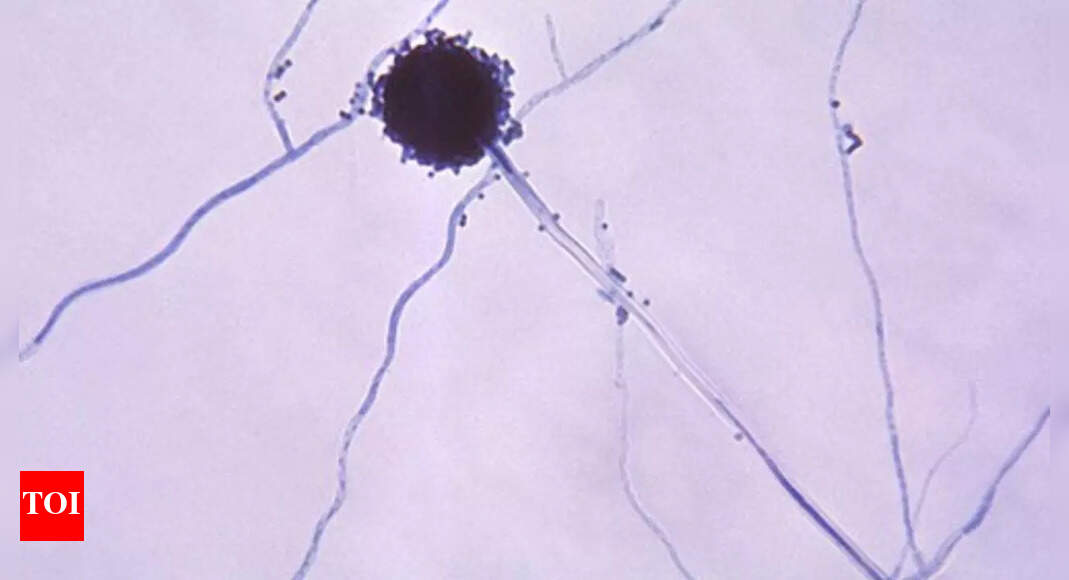
The most concerning mold is called Aspergillus.
When people with weak defenses, like those with illnesses or who have had organ transplants, breathe in these spores, they can get very sick.
Doctors are having a tough time fighting these infections because they are hard to find early, and the medicines don't always work.
So, scientists are working hard to understand how these molds spread and how to stop them.

Rising global temperatures are contributing to the spread of dangerous fungi, particularly Aspergillus.
Aspergillus fumigatus could expand its range by 77% in Europe by 2100 if warming continues.
Infections are a serious threat to those with weakened immune systems.
Many fungal infections are difficult to diagnose and treat due to resistance to antifungal medications.
The study emphasizes that climate change is a prominent factor in the proliferation of these fungal pathogens.
- Who
- Researchers at the University of Manchester conducted the study.
- What
- Rising global temperatures are contributing to the spread of dangerous fungi, particularly Aspergillus.
- When
- The study predicts changes by 2100.
- Where
- Europe is projected to be significantly affected, with potential global impact.
- Why
- Warmer temperatures and changing environments create more hospitable habitats for fungi.
Acknowledging The Problem
Potential Solutions
Addressing Climate Change
Acknowledging The Problem
Focusing on reducing global temperatures and climate change to lower the rate of fungal spread.
Potential Solutions
Developing effective antifungal treatments and diagnostic tools.
- Primary Fungus
- Aspergillus
- Projected Range Expansion of Aspergillus fumigatus
- Up to 77% in Europe by 2100
- Aspergillosis Death Rate
- 20% to 40%
- Most at Risk
- Those with weakened immune systems
- Primary Catalyst
- Climate change