

Archive · 12 Aug 2025
Delhi Passes Bill to Regulate Private School Fees
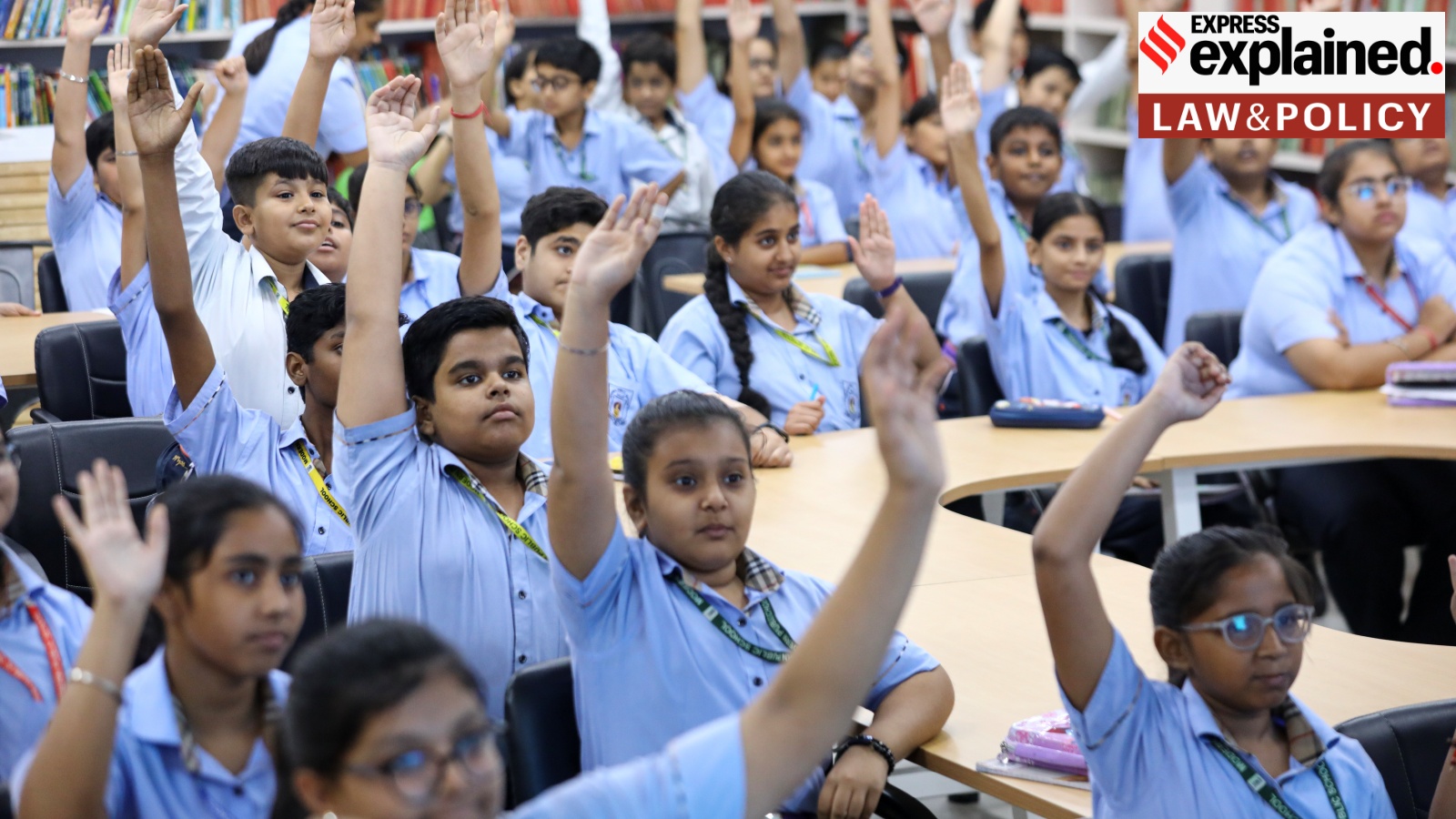
Imagine the government wants to make sure private schools in Delhi don't charge too much money.
They made a new rule to help.
This rule says schools have to make a group with parents and teachers to decide on fees.
If the school breaks the rules, they could get fined.
Some parents are worried because the new rules might not help with fees that already went up and they are concerned that the school might still have too much control over these decisions.

The Delhi Assembly passed a bill to regulate fees in private schools.
The bill establishes a three-tier fee regulation framework.
Schools must form fee regulation committees with parent representation.
Penalties for violations include fines and potential loss of school recognition.
Parents have concerns about the bill's retrospective application and committee composition.
- Who
- Delhi government
- What
- Delhi Assembly passed a bill to regulate private school fees.
- When
- Last week (bill passed)
- Where
- Delhi
- Why
- To curb the increasing commercialisation of school education
Parent Concerns
Government Response
Retroactive Application
Parent Concerns
Lack of retrospective application to address past fee hikes.
Government Response
The bill does not address previous fee increases.
Committee Composition
Parent Concerns
School-appointed figures dominate the School Level Fee Regulation Committee.
Government Response
Concern over the composition of committees.
Grievance Process
Parent Concerns
Individual complaints are no longer permitted.
Government Response
Collective action is needed to raise a grievance.
- Bill Title
- Delhi School Education (Transparency in Fixation and Regulation of Fees) Bill, 2025
- Key Committees
- School Level Fee Regulation Committee, District Fee Appellate Committee, Review Committee
- School Committee Composition
- Nominee of school management (chair), principal (secretary), 5 parents, 3 teachers, DoE observer
- Minimum Parent Grievance Threshold
- 15% of parents
- First-time violation fine
- ₹1 lakh to ₹5 lakh