Archive · 31 Dec 2025
New Year 2026 Greeting Scam Alert
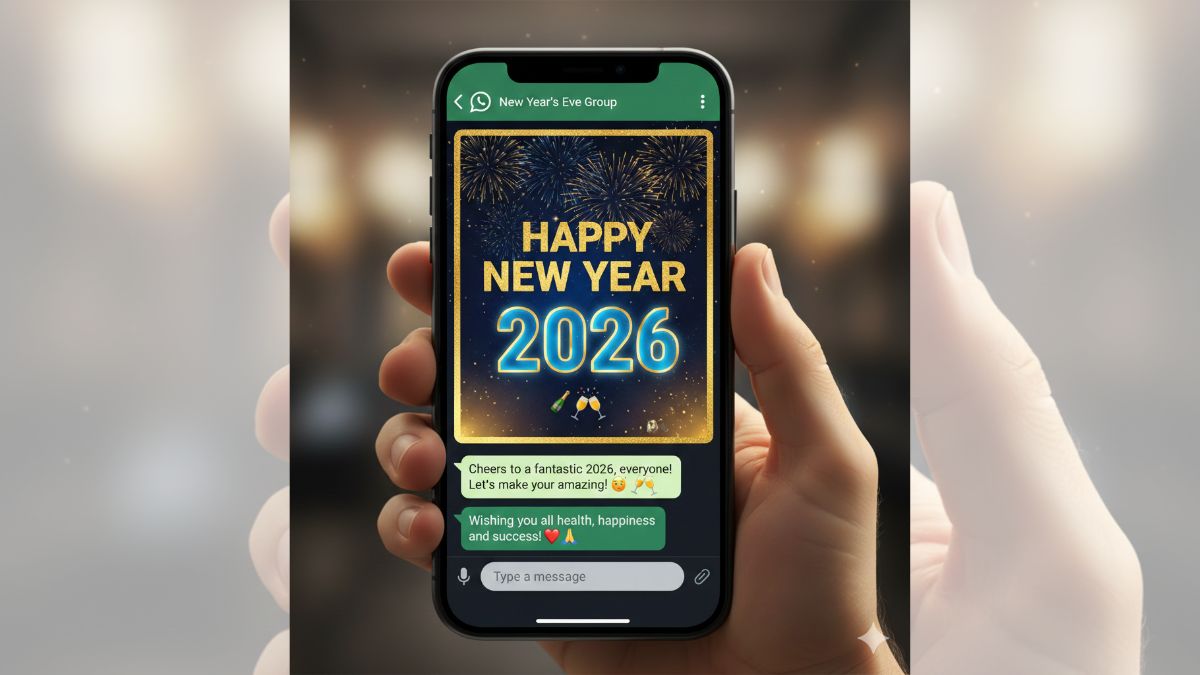
As people celebrate New Year 2026, scammers are sending fake greeting messages on WhatsApp, Telegram, and SMS.
These messages look like they come from friends or family, but they actually contain bad software called malware.
When you click on the link in the message, the malware can secretly install itself on your phone.
This malware can steal your messages, photos, and even let scammers control your phone.
They can then use your phone to steal money from your bank account.
The police are warning everyone to be careful and not click on any suspicious links in greeting messages.
This is especially important for people using Android phones in India, as they are most at risk.

Cybercriminals are sending fake New Year 2026 greetings containing malware on WhatsApp, Telegram, and SMS.
The malware, disguised as a greeting card or gift, can steal personal data and financial information.
Once installed, the malware can access SMS, contacts, photos, and even control the phone remotely.
Authorities warn that the scam is rapidly gaining traction, especially among Android users in India.
People are advised to avoid clicking on suspicious links in greeting messages to stay safe.
- Who
- Cybercriminals targeting WhatsApp, Telegram, and SMS users in India
- What
- A malware scam disguised as New Year 2026 greetings
- When
- During the New Year 2026 celebrations
- Where
- India, particularly targeting Android users
- Why
- To steal personal data and financial information
- Scam Type
- Malware disguised as festive greetings
- Platforms Affected
- WhatsApp, Telegram, SMS
- Malware Type
- APK file with spyware
- Authorities Involved
- Telangana Cyber Security Bureau, Hyderabad Police
- Primary Target
- Android users in India
- Malware Capabilities
- Access to SMS, contacts, photos, notifications, and remote control
- Prevention Tip
- Avoid clicking on suspicious links in greetings