Archive · 29 Jul 2026
US Blocks New Foreign Robots and Inverters Over Spy Fears

The US government is stopping new foreign-made robots and power inverters from entering the country.
They think these devices could be used for spying or cyberattacks.
The Federal Communications Commission (FCC) added these devices to a special list that blocks them from being sold in the US.
Existing devices and those used by the government are not affected.
Manufacturers can ask for special permission if they can prove their devices are safe.
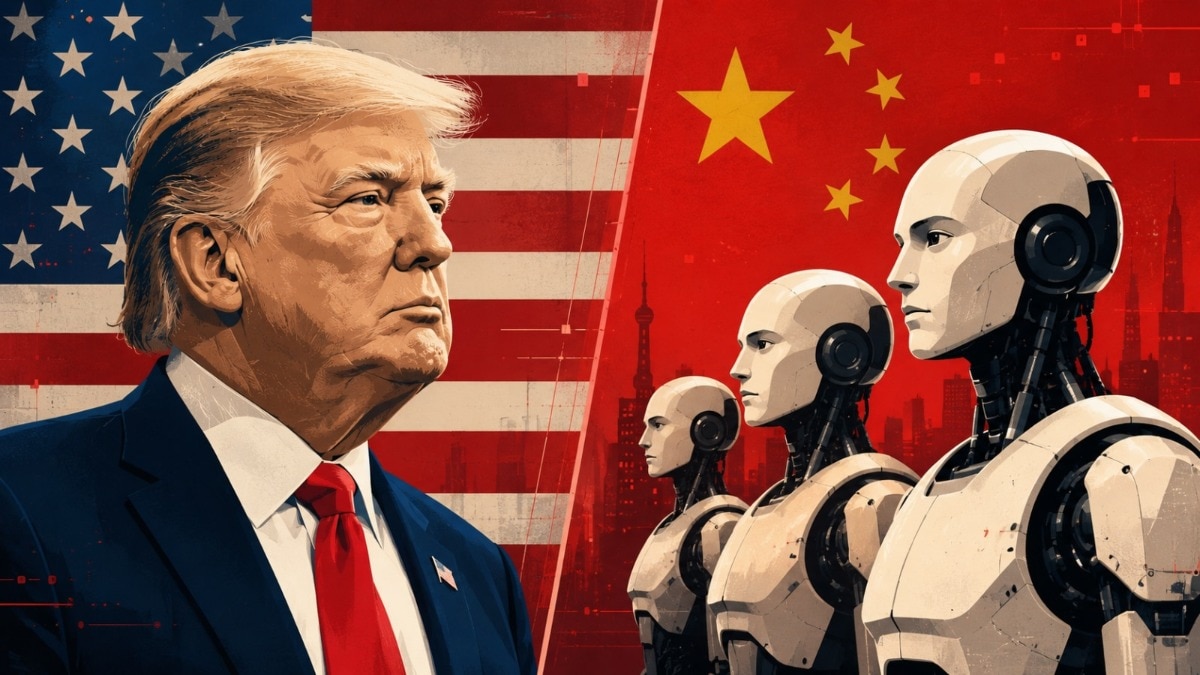
This move is part of a bigger effort to protect important technology from foreign threats, especially from China.

The FCC has added foreign-made robots and power inverters to its Covered List, blocking new models from entering the US market.
Existing devices and those used by the government are not affected by the restrictions.
The move aims to prevent potential espionage, cyberattacks, and disruption of critical infrastructure.
Manufacturers can seek conditional approval through the Department of War or Homeland Security.
The decision aligns with President Trump's priorities to curb China's influence in AI and reduce national security risks.
- Who
- Federal Communications Commission (FCC) and US government agencies
- What
- Blocking new foreign-made robots and power inverters over national security concerns
- When
- Immediately, with existing devices unaffected
- Where
- United States
- Why
- To prevent potential espionage, cyberattacks, and disruption of critical infrastructure
National Security Concerns
Technological Advancement and Trade
National Security Risks
National Security Concerns
Foreign-made robots and inverters pose significant cybersecurity and espionage risks, potentially allowing remote control and data theft.
Technological Advancement and Trade
Restrictions may hinder technological innovation and limit consumer access to advanced technologies.
Supply Chain Vulnerabilities
National Security Concerns
Dependence on foreign technologies could disrupt US supply chains and critical infrastructure.
Technological Advancement and Trade
Overly restrictive policies might stifle international trade and collaboration in technology development.
- Agency Involved
- Federal Communications Commission (FCC)
- Affected Devices
- Advanced robotic devices and power inverters
- Impacted Parties
- Manufacturers and consumers
- Exemptions
- Existing devices and government equipment
- Approval Process
- Conditional approval through Department of War or Homeland Security
- Primary Concern
- Cybersecurity and espionage risks
- FCC Chairman
- Brendan Carr
- Presidential Priority
- Curbing China's influence in AI and reducing risks from Chinese technology