

Archive · 30 Sep 2026
Smart Cities Mission Exposed Limits of Political Dreaming
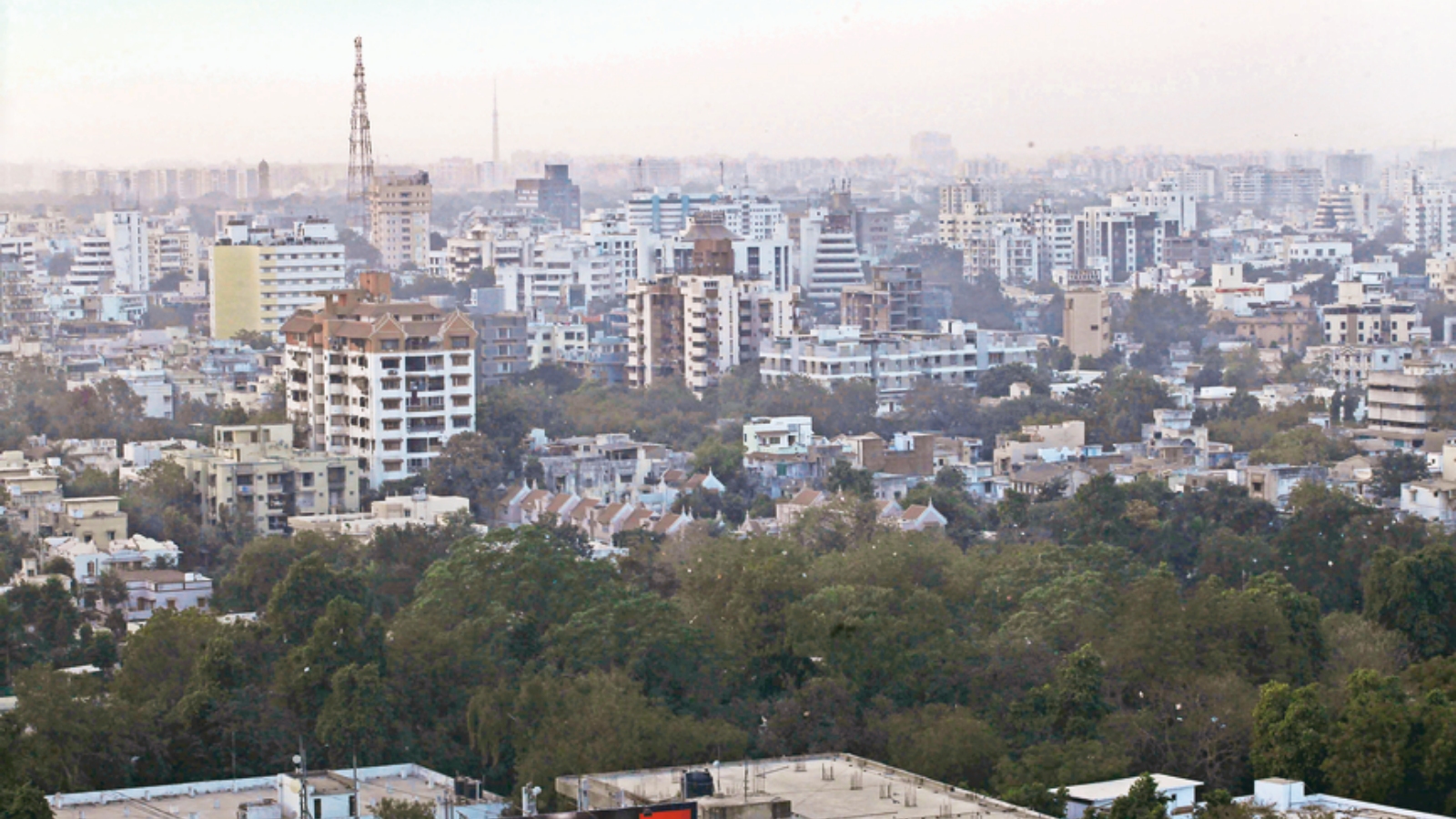
The Smart Cities Mission was created to make parts of Indian cities look and work in more modern ways.
The article says it focused heavily on impressive projects that could be photographed and advertised.
Many projects were built only in small parts of cities, so most residents saw little direct benefit.
The mission also used special project organizations instead of relying fully on local governments.
The author says this made local people less influential in deciding what their cities needed.
Different cities have different problems, such as flooding, traffic, or housing shortages.
The article says roads and parking received much more transport funding than buses.
It praises community-led efforts that begin with people’s everyday needs.
Its main message is that cities can have big ambitions, but those ambitions need evidence, local participation, and strong foundations.

The article argues that India’s Smart Cities Mission prioritized a glamorous vision over evidence-based urban planning.
Its Area-Based Development model concentrated investment in small, showcase precincts reaching less than 10% of the population, according to a cited 2025 study.
Special Purpose Vehicles operated alongside local governments, which the article says weakened rather than strengthened municipal authority.
Nearly 40% of Smart Cities transport funding went to roads and parking, compared with 2% for buses, according to a cited 2021 study.
The article contrasts the mission with grassroots initiatives such as Odisha’s Jaga Mission and argues that urban ambition must be grounded in local knowledge and durable infrastructure.
- Who
- The Smart Cities Mission, Indian governments, urban local bodies, city residents, and the author, Zuberi.
- What
- An opinion-based assessment argues that the Smart Cities Mission emphasized political spectacle, concentrated redevelopment, and centralized administration over inclusive urban planning.
- When
- The mission ended after roughly a decade; the article also cites studies published in 2021 and 2025.
- Where
- Across India’s 100 designated smart cities, with examples including Ludhiana, Ahmedabad, Jaipur, Chennai, Surat, Guwahati, and Bengaluru.
- Why
- The author argues that the mission’s broad idea of “smartness” enabled governments to promote visible showcase projects while neglecting local needs, municipal capacity, and everyday infrastructure.
Political Showcase Model
Grounded Urban Planning
Purpose of urban development
Political Showcase Model
Visible projects such as command-and-control centres, smart roads, digital platforms, and redeveloped precincts can present modernization and demonstrate government action.
Grounded Urban Planning
Urban planning should prioritize everyday needs such as drainage, affordable housing, buses, ward-level repairs, and locally specific problems.
Governance and decision-making
Political Showcase Model
Special Purpose Vehicles were presented as a way to overcome limited municipal capacity and deliver projects efficiently.
Grounded Urban Planning
The article argues that working around local governments weakened the third tier instead of building municipal capacity and giving residents meaningful authority.
Meaning of ambition
Political Showcase Model
Nationally framed “smartness” offers a common, future-facing vision for diverse Indian cities.
Grounded Urban Planning
Cities require different solutions based on local conditions, and ambition should be tested through evidence, professional expertise, and citizen knowledge.
- Mission model
- The Area-Based Development model concentrated resources in selected urban precincts.
- Population reached
- A cited 2025 study found that interventions reached less than 10% of the population across the 100 cities.
- Territorial concentration
- In 41 cities, the Area-Based Development area covered less than 10% of municipal territory and 5% of the total population.
- Investment example
- In Ludhiana, Ahmedabad, and Jaipur, areas affecting 0.5% of the city received around 20% of total investment.
- Transport allocation
- A cited 2021 study found that nearly 40% of Smart Cities transport funding went to roads and parking, compared with 2% for buses.
- Governance structure
- Special Purpose Vehicles were used as parallel structures to local bodies.
- Alternative approach
- The article identifies Odisha’s Jaga Mission and initiatives involving SPARC, NSDF, and Mahila Milan as more grassroots-oriented examples.