

Archive · 20 Jan 2026
Kabaddi's Journey: From Rural Roots to National Sport
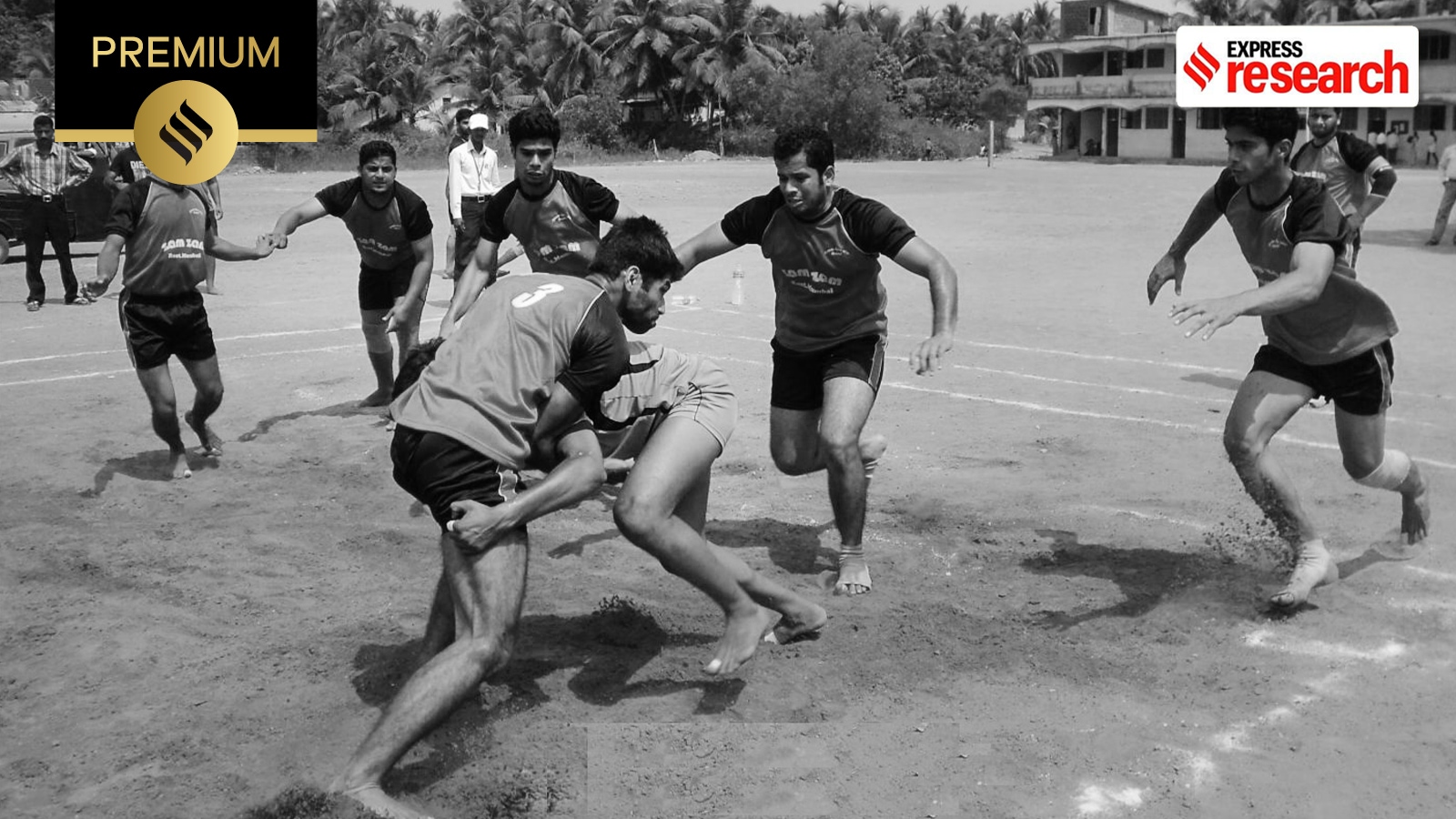
Kabaddi is a traditional Indian sport with ancient roots.
It was played in different forms across the subcontinent.
In the early 20th century, it started gaining popularity and was standardized in 1953.
Kabaddi became a national sport and was included in the Asian Games.
The Pro Kabaddi League in 2014 brought a new level of excitement and viewership to the sport.
Despite its popularity, especially in rural areas, it hasn't reached the same level as cricket.
Kabaddi is known for its simplicity and accessibility, requiring only a small plot of land and some chalk to play.

Kabaddi has ancient roots and was played in various forms across the subcontinent.
Standardized in 1953 by the All India Kabaddi Federation, it became a national sport.
Included in the Indian Olympic Games in 1938 and the Asian Games in 1990.
The Pro Kabaddi League launched in 2014, significantly boosting its popularity.
Despite its popularity, especially in rural areas, kabaddi hasn't reached the same level as cricket.
- Who
- Indian players and enthusiasts
- What
- Kabaddi's journey from rural roots to national sport
- When
- Standardized in 1953, modern history begins in early 20th century
- Where
- Across India, with significant events in Delhi, Maharashtra, and Punjab
- Why
- Standardization and internationalization helped its popularity and status as a national sport
- Origins
- Prehistoric times, possibly as training for hunting or warfare
- Standardization
- 1953 by All India Kabaddi Federation
- National Competition
- 1938, included in Indian Olympic Games
- Women's Competition
- 1955, established women's national competition
- Pro Kabaddi League
- 2014, launched by Mahindra Group
- PKL Viewership
- 435 million viewers in inaugural year
- Asian Games
- Included in 1990 Asiad official program
- Popularity
- More popular in rural India, but not as cricket