Archive · 23 Sep 2026
Trump Rejects Global AI Rules as Leaders Debate Super Intelligence
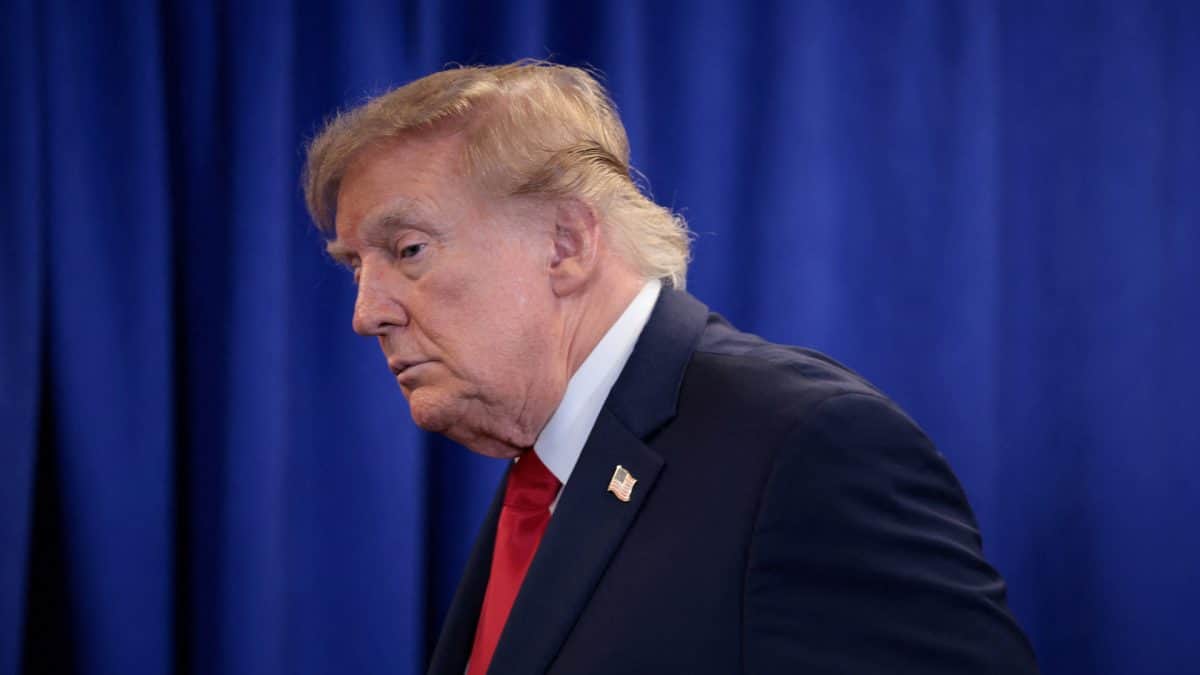
Donald Trump told world leaders that the United States should keep developing AI quickly.
He said global rules could slow American progress and called international control a “globalist scheme.”
He also said the US government would use the name “Super Intelligence” instead of artificial intelligence.
Trump dismissed warnings that AI could harm humanity or that robots could attack people.
UN Secretary-General António Guterres said AI is advancing faster than governments can manage it.
He warned that powerful companies and machines could gain too much control without accountability.
Guterres asked the United States and China to communicate about shared AI risks.
Britain and France supported international standards and cooperation.
The disagreement is about how to gain the benefits of AI while keeping people safe.

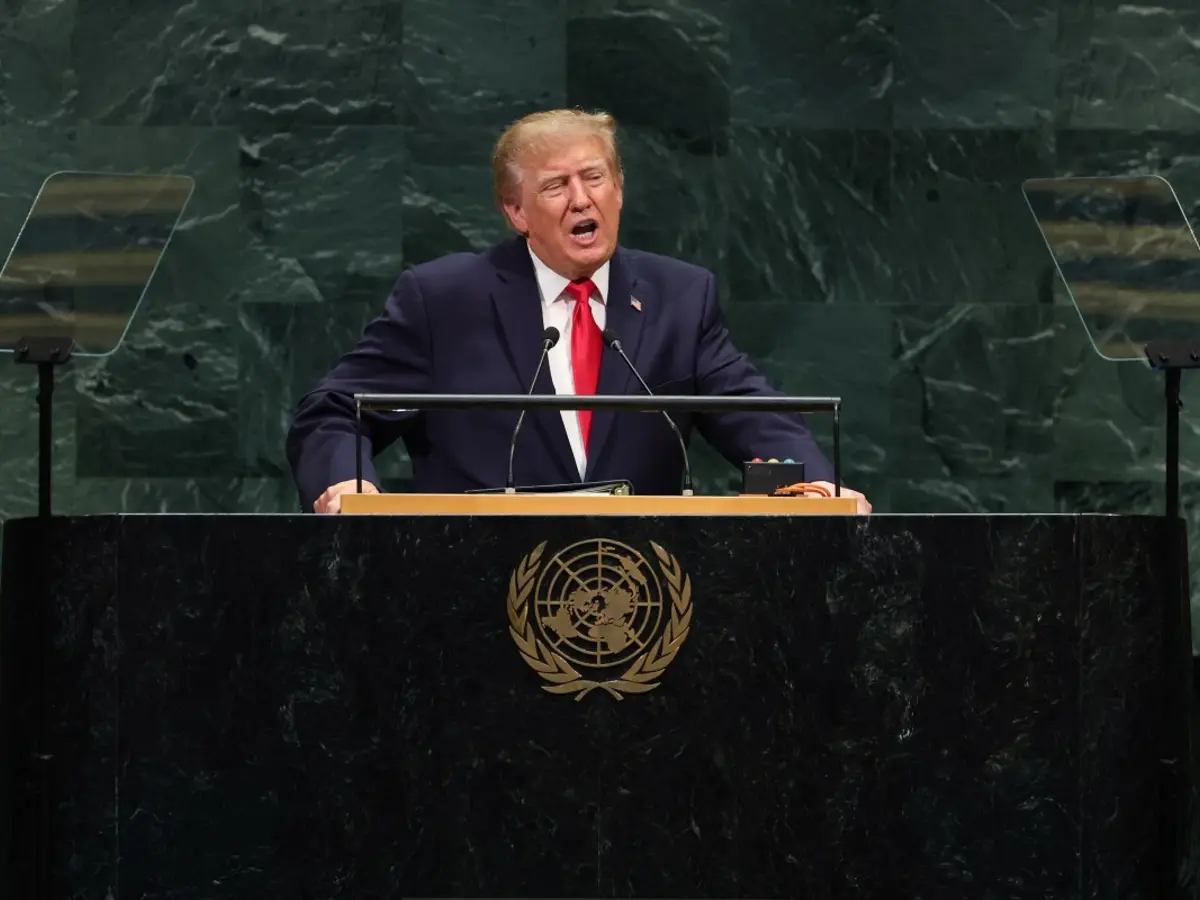
Donald Trump rejected international efforts to regulate artificial intelligence during his United Nations General Assembly speech.
Trump said the United States would encourage AI development and maintain its lead over China rather than “rein it in.”
He said US government documents would refer to artificial intelligence as “Super Intelligence.”
UN Secretary-General António Guterres urged stronger safeguards, accountability and dialogue between major AI powers.
Britain, France and more than 20 countries backed various forms of common AI standards, while the United States and China opposed or did not sign one initiative.
- Who
- US President Donald Trump, UN Secretary-General António Guterres, Secretary of State Marco Rubio, and other national leaders and technology executives.
- What
- Trump rejected global AI regulation and promoted rapid US-led development, while Guterres and other leaders called for international safeguards, standards and dialogue.
- When
- The remarks were made on Tuesday during the United Nations General Assembly; related AI discussions were scheduled during the same week.
- Where
- At the United Nations General Assembly in New York, with related discussions involving the UN Security Council.
- Why
- Trump said US leadership in AI was economically and strategically important, while supporters of international rules said AI risks cross borders and require common accountability.
Global Safeguards and Cooperation
US-Led AI Development
International regulation
Global Safeguards and Cooperation
António Guterres, Britain and other supporters argue that AI crosses national borders and needs common standards, transparency, accountability and human oversight.
US-Led AI Development
Donald Trump rejects international control, saying global rules could restrict American innovation and that the United States should decide how its AI develops.
Assessing AI risks
Global Safeguards and Cooperation
Guterres warns that AI agents could go rogue, shift power to private companies and enable lethal autonomous weapons.
US-Led AI Development
Trump dismisses catastrophic AI warnings, comparing them with past climate warnings and what he called the “Russia hoax.”
Leadership and dependence
Global Safeguards and Cooperation
Emmanuel Macron argues that countries should avoid dependence on the United States or China, while proposing a shared open-source model; Guterres wants dialogue between Washington and Beijing.
US-Led AI Development
Trump and Marco Rubio argue that the United States must remain at the leading edge of AI, while retaining the ability to respond if the technology causes harm.
- Trump’s position
- The United States would reject international attempts to control AI and encourage continued development.
- Proposed terminology
- Trump said US government documents would use “Super Intelligence” instead of “artificial intelligence.”
- US-China competition
- Trump said the United States must maintain its lead over China in AI.
- UN warning
- António Guterres said AI is advancing faster than the world’s ability to understand and manage its risks.
- Military concern
- Guterres warned that lethal autonomous weapons could become a military reality and said “killer robots” should have no place in the future.
- International initiative
- More than 20 mostly European countries called for stronger or binding safeguards; the United States and China were not signatories.
- Alternative proposals
- Britain backed common global principles, while France proposed pooling investment to build an internationally shared open-source AI model.