9 months ago
Impeachment Notice Against Justice Swaminathan Raises Judicial Independence Concerns
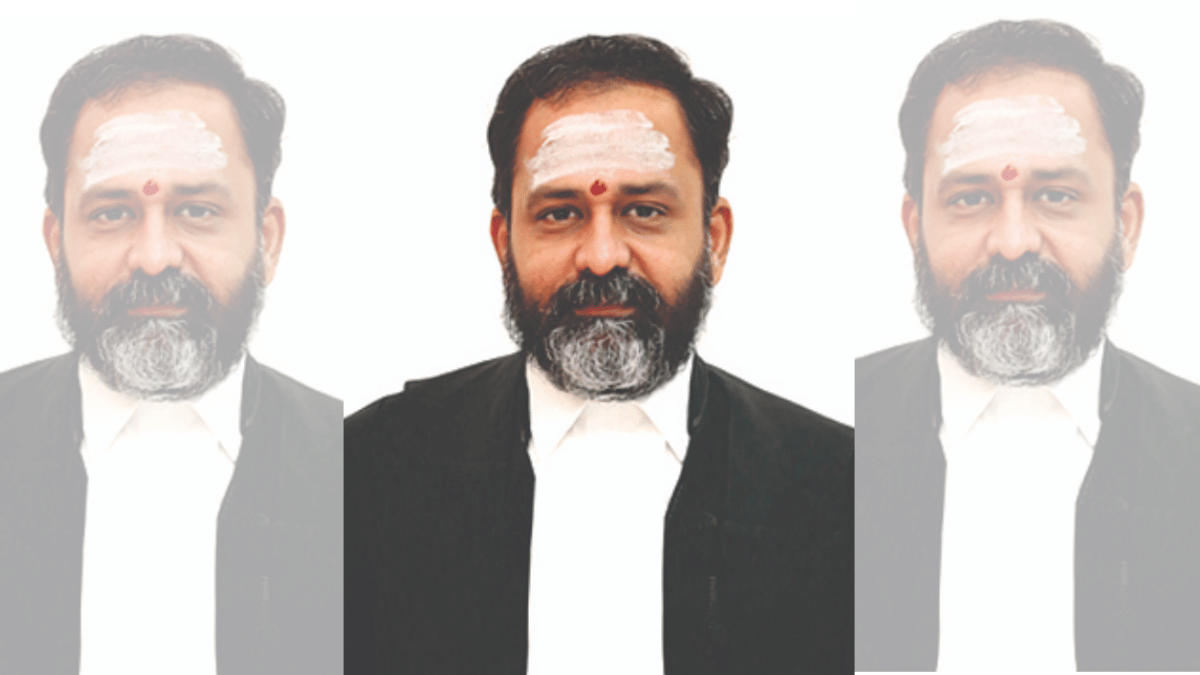
A judge named Justice G.R. Swaminathan, who has made over 70,000 judgments, is facing an impeachment notice.
This notice is not because he did something wrong, but because some people disagreed with one of his judgments.
The law says that judges can only be removed for serious misconduct, not for disagreeing with their decisions.
The people who filed this notice are trying to use the impeachment process as a way to pressure the judge, which could make other judges afraid to make controversial decisions in the future.
This is a big deal because it could make the judiciary less independent and more afraid to make decisions that might not be popular.
The speaker of the parliament has the power to decide whether to accept or reject the impeachment notice, and it's important that they use this power to protect judicial independence.

Justice G.R. Swaminathan, known for his extensive judicial record, faces an impeachment notice based on disagreement with his reasoning in the Tirupparankundram Deepam case.
The impeachment notice raises concerns about judicial independence and the potential misuse of the impeachment process as a political tool.
The Judges (Inquiry) Act, 1968, grants the Speaker of the Lok Sabha discretion to admit or reject impeachment motions to prevent political retaliation.
The Constitution requires proven misbehaviour or incapacity and a special majority in both Houses of Parliament for judicial removal, not just disagreement with judgments.
The silence of the intelligentsia on this issue is noted, as it normalizes a troubling shift in the boundaries of judicial independence.
- Who
- Justice G.R. Swaminathan, a judge with over 70,000 judgments in his career
- What
- An impeachment notice has been filed against Justice Swaminathan, raising concerns about judicial independence
- Where
- India
- When
- The impeachment notice resurfaced this week
- Why
- The impeachment notice is based on disagreement with Justice Swaminathan's reasoning in the Tirupparankundram Deepam case, not on proven misbehaviour or incapacity
Key facts
- Justice
- G.R. Swaminathan
- Impeachment Notice
- Filed by political actors
- Judges (Inquiry) Act, 1968
- Speaker of Lok Sabha has discretion to admit or reject impeachment motion
- Articles 124(4) and 217
- Requirements for judicial removal in India
- Tirupparankundram Deepam Case
- Judgment that sparked the impeachment notice
- Speaker's Discretion
- Crucial safeguard in the impeachment process
- Judicial Independence
- At the heart of the controversy
Quotes
Justice Ranjan Gogoi
Former Chief Justice of India
“If you have to go to court, you will only be washing dirty linen in court and you will not get a verdict. I have no hesitation to say so. You regret it if you go to court.”
 thestatesman.com

William Howard Taft
Former US President and Chief Justice
“Presidents come and go, but the Supreme Court goes on forever.”
thestatesman.com