

Archive · 5 Dec 2025
Global GM Crop Adoption Varies Widely
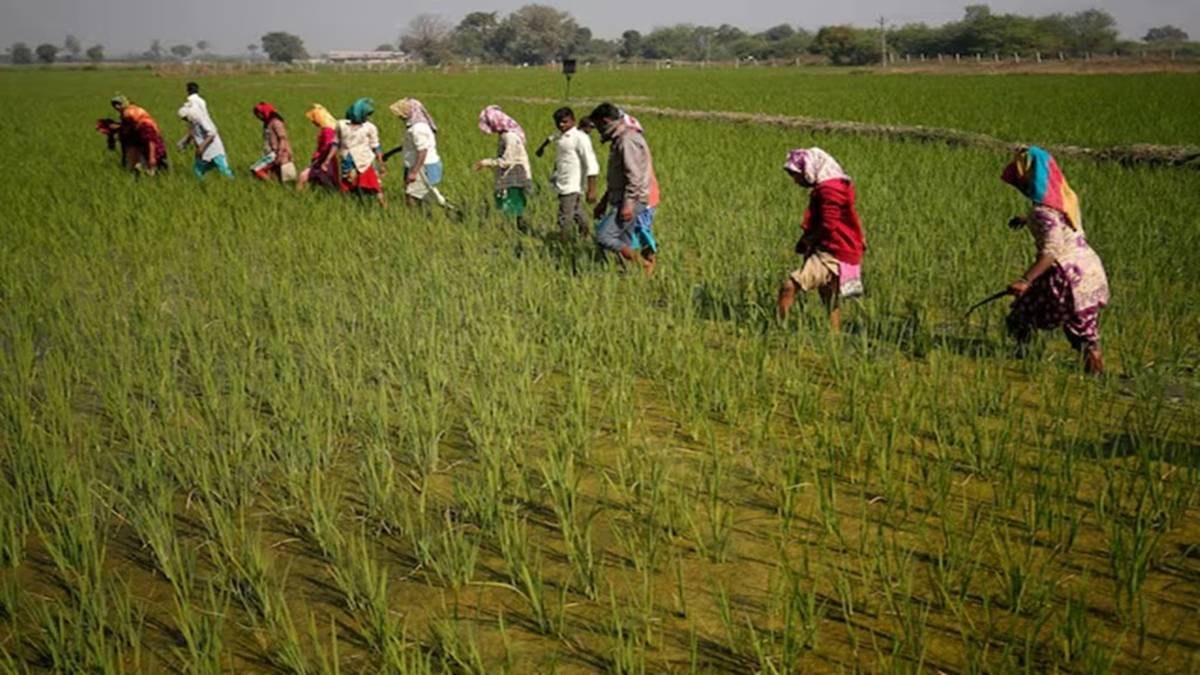
In 1994, the first genetically modified (GM) tomato called Flavr Savr was created, marking the beginning of GM crops.
Since then, GM crops have become important in agriculture, with different countries adopting them at different rates.
The US and Latin American countries like Brazil and Argentina have embraced GM crops, using them to boost their economies and food security.
In contrast, the European Union (EU) and East Asian countries like Japan and South Korea are more cautious, with strict regulations and low domestic cultivation.
Africa has a mixed approach, with some countries adopting GM crops like Bt cotton, but progress is slow due to infrastructure and public trust issues.
The global trade of GM crops is significant, with major exporters like the US and importers like Japan.
India is currently debating the use of GM crops and needs to find a balance between innovation, safety, and public trust to stay competitive in global agriculture.

GM crops have evolved from lab experiments to global agricultural staples since the introduction of Flavr Savr in 1994.
The US and Latin American countries have high adoption rates of GM crops, with supportive policies and significant economic benefits.
The EU and East Asian countries maintain cautious stances with stringent regulations and low domestic GM crop cultivation.
Africa's adoption of GM crops is uneven, with some countries approving GM crops like Bt cotton but facing challenges due to infrastructure and public mistrust.
Global trade in GM crops is significant, with major exporters like the US and importers like Japan, influencing domestic policies and food security.
- Who
- Countries around the world, including the US, Brazil, Argentina, EU, Japan, South Korea, and African nations
- What
- Adoption and regulation of genetically modified (GM) crops
- When
- Since 1994, with significant developments in the past two decades
- Where
- Globally, with varying degrees of adoption and regulation in different regions
- Why
- To enhance agricultural productivity, food security, and economic growth, while addressing public concerns and regulatory challenges
- Flavr Savr
- First genetically modified tomato
- US GM crop adoption
- Over 95% in maize, soya bean, and cotton
- EU GM crop policy
- Precautionary principle with stringent regulations
- Brazil GM wheat
- Approved drought-tolerant GM wheat in 2023
- Japan GM crop imports
- Nearly 100% of maize and 95% of canola from GM-producing countries
- Africa GM crop progress
- Uneven due to limited infrastructure and public mistrust
- Global GM crop trade
- US, Brazil, and Argentina are major exporters