

Archive · 30 Dec 2025
Female Brains Show Stronger Immune Response to Alzheimer's
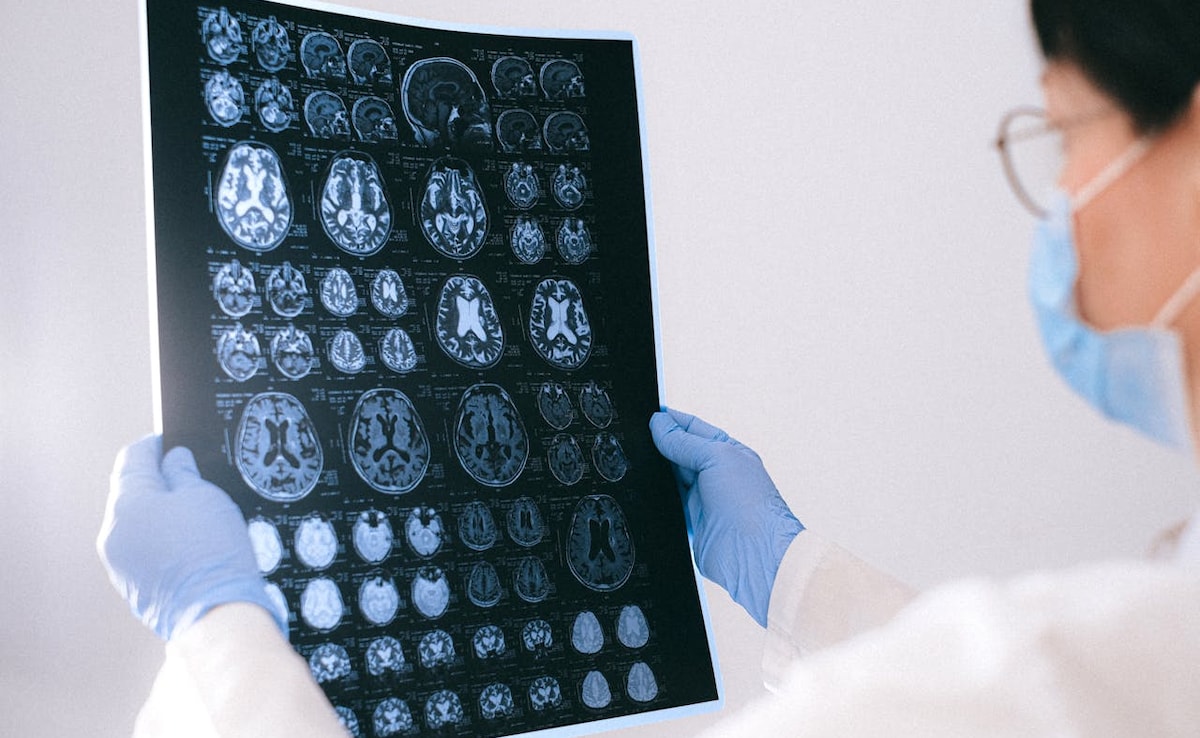
Scientists found that in female mice with Alzheimer's, the brain's immune cells, called microglia, react more strongly to protein clumps in the brain than in male mice.
This stronger reaction might be why more women get Alzheimer's.
The immune cells in the female brain produce more signalling proteins called interferons, which can cause inflammation and damage connections between brain cells.
Interestingly, the researchers didn't find differences in these immune cells based on the female mice's hormonal cycles.
This discovery could help in creating personalized treatments for Alzheimer's that are tailored to each person's sex.

Microglia in female mice with Alzheimer's show a stronger interferon response to amyloid-beta plaques than in male mice.
This stronger immune response may explain why more females are diagnosed with Alzheimer's disease.
Interferons can drive neuroinflammation and damage synapses in the brain.
Female microglia leave behind larger and more irregular plaques, damaging more neuronal connections.
The study suggests that interferon signalling in the brain's immune cells could be a potential target for sex-specific, personalized treatment for Alzheimer's.
- Who
- Researchers at the University of Rochester, US
- What
- Study on microglia activity in male and female mice with Alzheimer's
- When
- Not specified
- Where
- University of Rochester, US
- Why
- To understand why more females are diagnosed with Alzheimer's
- Study Focus
- Microglia activity in male and female mice with Alzheimer's
- Key Finding
- Female microglia show stronger interferon response to amyloid-beta plaques
- Potential Impact
- May explain higher Alzheimer's diagnosis rates in females
- Researchers
- University of Rochester, US
- Publication
- Journal of Neuroinflammation
- Potential Treatment
- Sex-specific, personalized treatment targeting interferon signalling