

Archive · 14 Jan 2026
Iran Protests Demand Normalcy, Not Change
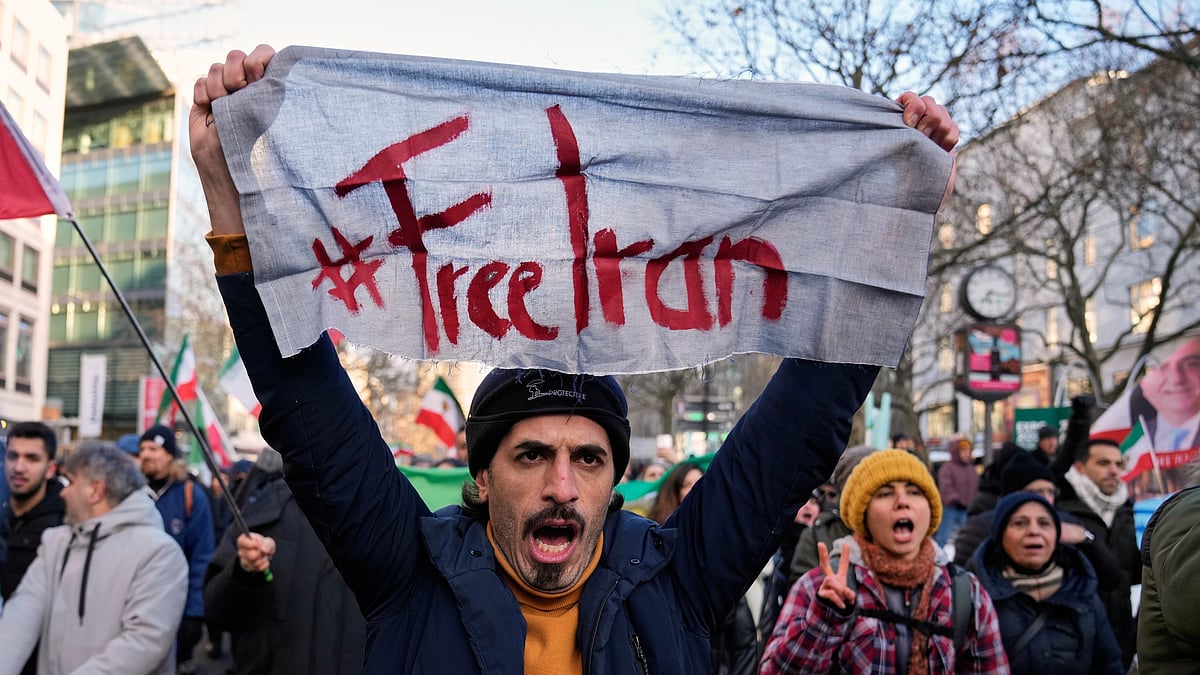
In Iran, people are protesting not for big changes, but to have a normal life.
The Bazaar, a special market place, is important because the people there stick together and have a lot of influence.
They have been part of many social movements.
The government is trying to stop the protests, even bringing in help from other countries.
The protests are so big that the government might not be able to control them.
One person even said the government might not last much longer.

Protests in Iran are demanding normalcy and an end to morality police repression.
The Bazaar community, known for its tight-knit nature, has played a significant role in social movements.
Protests have escalated, with two cities in Kurdish-majority regions being 'captured'.
The Iranian government has invited allied militia from Iraq to help quell the uprising.
The overwhelming nature of the protests suggests the government may be losing control.
- Who
- Iranian protesters, particularly in Kurdish-majority regions, and the Bazaar community
- What
- Protests demanding normalcy and an end to morality police repression
- When
- Ongoing, with significant recent escalation
- Where
- Iran, particularly in Kurdish-majority western regions
- Why
- To address the abnormal repression of the morality police and other social issues
- Location
- Iran, particularly Kurdish-majority western regions
- Key Groups Involved
- Bazaar community, Kurdish protesters, Iranian government, allied militia from Iraq
- Protest Triggers
- Morality police repression, economic conservatism, social movements
- Government Response
- Invited allied militia from Iraq to quell protests
- Bazaar Community Role
- Tightly knit, influential in social movements, resistant to outside intervention