

Archive · 20 Sep 2026
Tiger Trafficking Requires Tracking Networks, Not Just Poachers
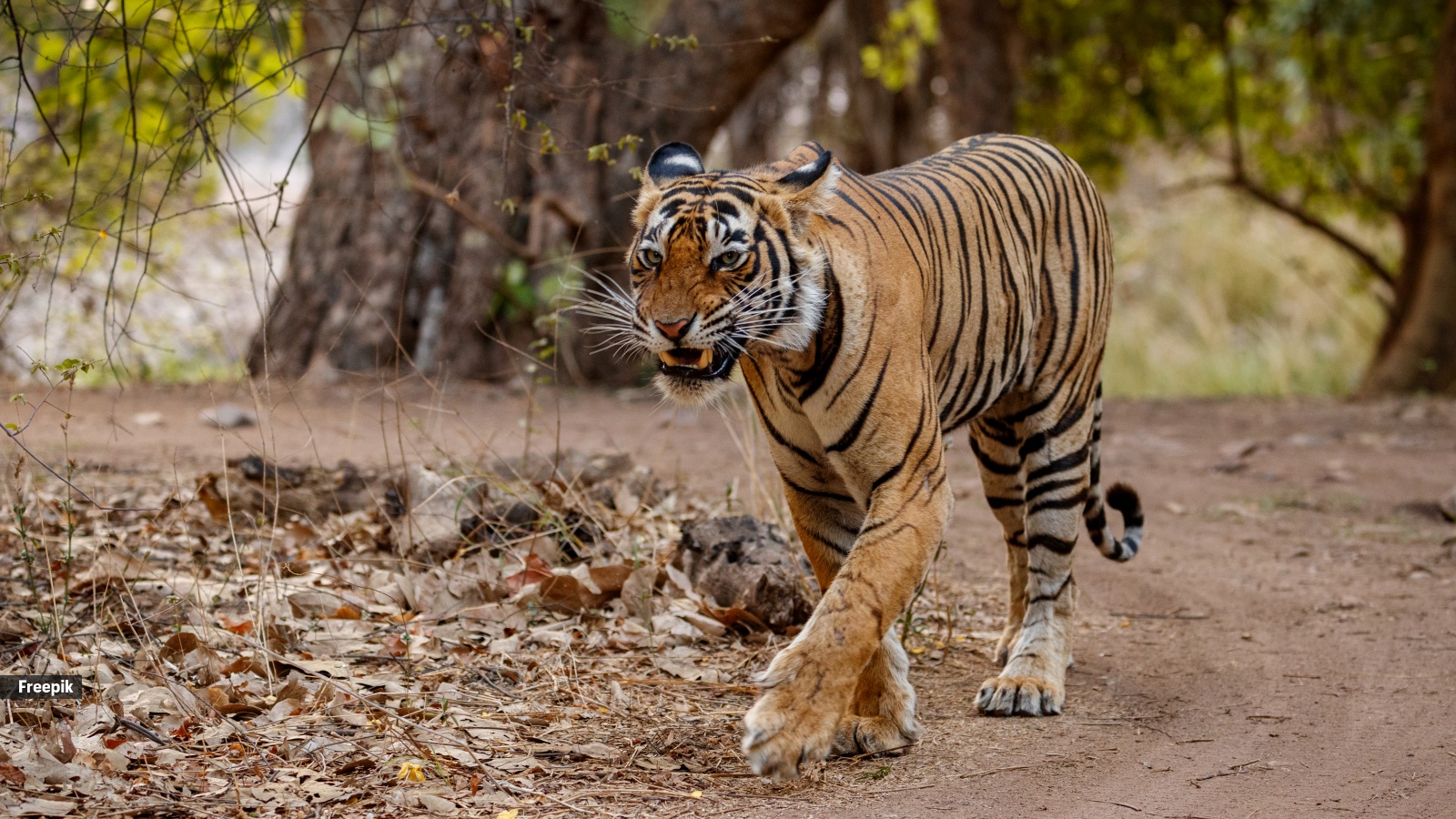
A new review looked at many cases involving illegally traded tigers.
TRAFFIC found 2,551 seizures involving at least 3,808 tigers through June 2025.
Tigers can leave protected reserves and move through farms, roads, villages, and other forests.
These places may be harder to protect than the reserves themselves.
Criminals may sell whole animals, body parts, and other wildlife together.
They may also use online platforms, transport systems, and financial networks.
The article says protecting tigers requires cooperation among forest officers, communities, police, and other agencies.
Tracking where tigers move could help officials identify places where crimes might happen.
Investigators should look beyond the person caught with a tiger and try to find the organizers and financiers.

TRAFFIC analyzed 25 years of data covering 2,551 seizures involving at least 3,808 tigers through June 2025.
Tiger-trafficking hotspots and routes persist but can shift as enforcement, populations, markets, and criminal opportunities change.
Whole tigers, including dead and live animals, and a wider range of derivatives are becoming more prominent in seizures.
Nearly one-fifth of documented incidents also involved other trafficked species, including leopard, bear, and pangolin.
The article urges authorities to connect tiger-movement monitoring with landscape-wide intelligence, financial investigations, and network disruption.
- Who
- TRAFFIC assessed global tiger-trafficking data; the article calls for cooperation among forest staff, communities, police, enforcement agencies, and other authorities.
- What
- A 25-year assessment documented tiger seizures and argues that conservation must address broader trafficking networks rather than only individual poachers.
- When
- The assessment covers 25 years of data through June 2025.
- Where
- The issue spans tiger reserves, buffers, corridors, farms, villages, transport routes, digital markets, and other connected landscapes worldwide.
- Why
- Tiger trafficking has diversified across species, commodities, locations, digital platforms, and criminal networks, increasing vulnerability beyond protected-area boundaries.
- Organization
- TRAFFIC, a global non-profit focused on trade in wild animals and plants
- Review period
- 25 years, with data assessed through June 2025
- Documented seizures
- 2,551 incidents
- Tigers involved
- At least 3,808 tigers
- Trafficking pattern
- Whole dead and live animals and a wider range of derivatives are increasingly prominent
- Species overlap
- Nearly one-fifth of incidents involved other trafficked species
- Proposed response
- Combine tiger-movement monitoring with landscape-wide protection, intelligence, financial investigation, and network disruption