

Archive · 26 Jun 2025
Matcha's Rise: Japanese Tea Becomes a Symbol of Modern India
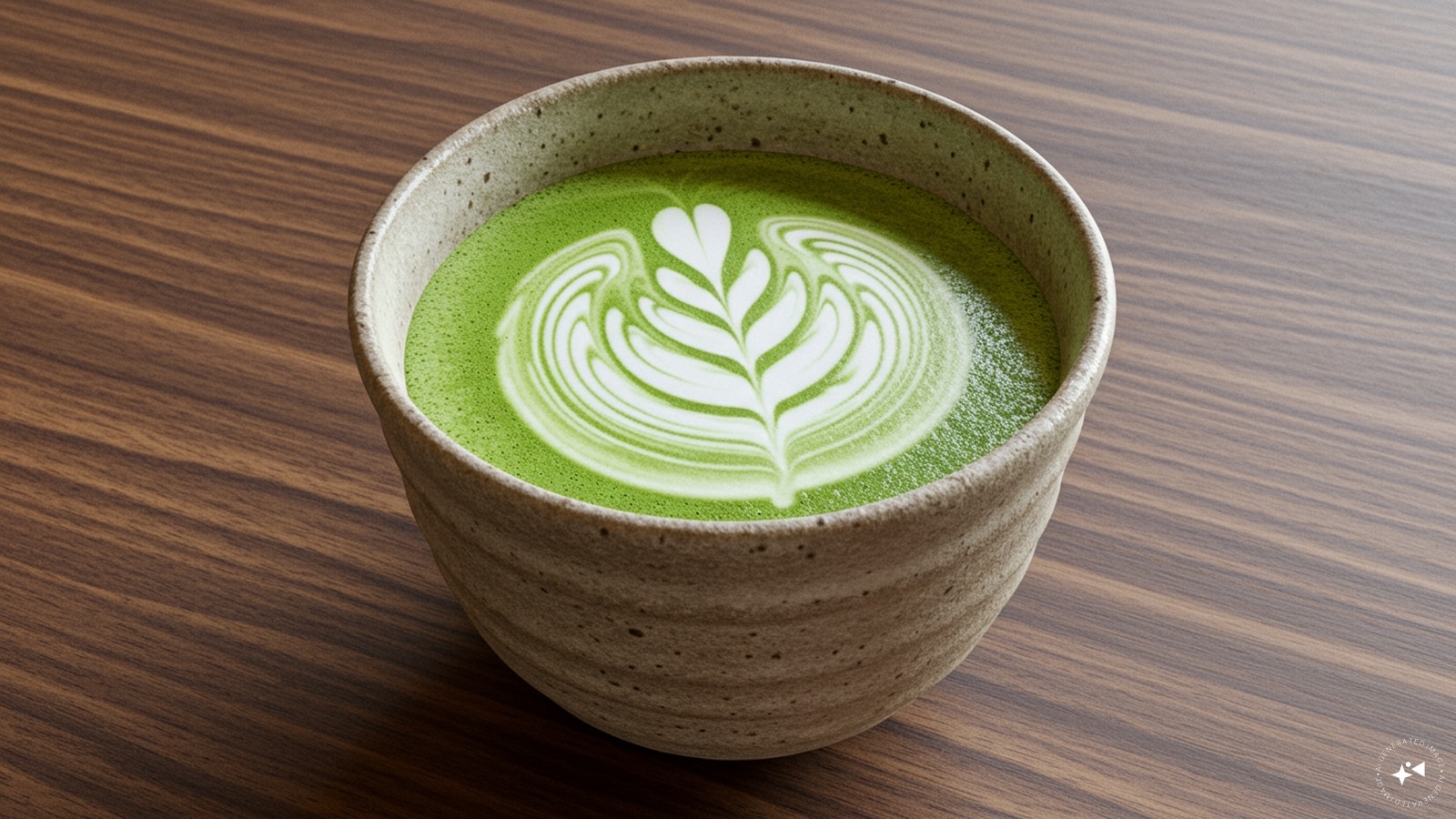
Imagine a special green tea from Japan called matcha.
It started long ago in China and was brought to Japan by a monk.
People in Japan use it in a special tea ceremony, which is about being calm and mindful.
Now, matcha is becoming popular in India!
It's seen as a fancy drink that shows you care about your health and like new things.
Matcha has antioxidants that are good for your body, and it helps you focus without getting too jumpy.
It's growing in popularity in India because of the health benefits, social media, and restaurants starting to offer it.

Matcha, a Japanese powdered green tea, has become a symbol of aspirational living in urban India.
Matcha originated in China and was introduced to Japan by a Buddhist monk.
Matcha is associated with mindfulness and ritual, central to Japanese tea ceremonies.
Matcha contains antioxidants, L-theanine, and may reduce the risk of liver disease.
The matcha market in India is expanding due to consumer demand and social media influence.
- Who
- Matcha is popular with health-conscious consumers and is promoted by social media influencers.
- What
- Matcha, a Japanese powdered green tea, is gaining popularity in India as a symbol of aspirational living.
- When
- Matcha's popularity in India is recent, while its origins trace back over 900 years.
- Where
- Matcha is becoming popular in urban India.
- Why
- Matcha is popular because it is seen as a marker of sophistication and has health benefits.
Challenges
Growth
Cost vs. Demand
Challenges
High production costs
Growth
Growing demand
Sustainability vs. Health
Challenges
Sustainability concerns in sourcing
Growth
Health Benefits
- Origin
- China's Tang dynasty
- Introduced to Japan
- Early 1100s by a Zen monk
- Meaning of Matcha
- Powdered tea
- Key Ingredient
- Tencha (shade-grown tea leaves)
- Benefits
- Antioxidants, L-theanine, potential liver protection
- Market Drivers
- Consumer demand and social media
- Estimated market value in 2024
- $2.36 billion