

2 days ago
Banks Challenge Family-Linked Votes in Subhash Chandra Insolvency Plan

Subhash Chandra has a personal insolvency case involving claims from lenders.
Five companies connected to his family took part in voting on a repayment plan.
Some lenders say these companies should not have been allowed to vote.
They say the companies controlled 61.78% of the voting share.
The plan was approved with 80.81% support from the committee of creditors.
It would pay ₹6.5 crore against claims of about ₹22,006.57 crore.
Chandra says borrowers promised to reconcile their accounts and repay what they owe.
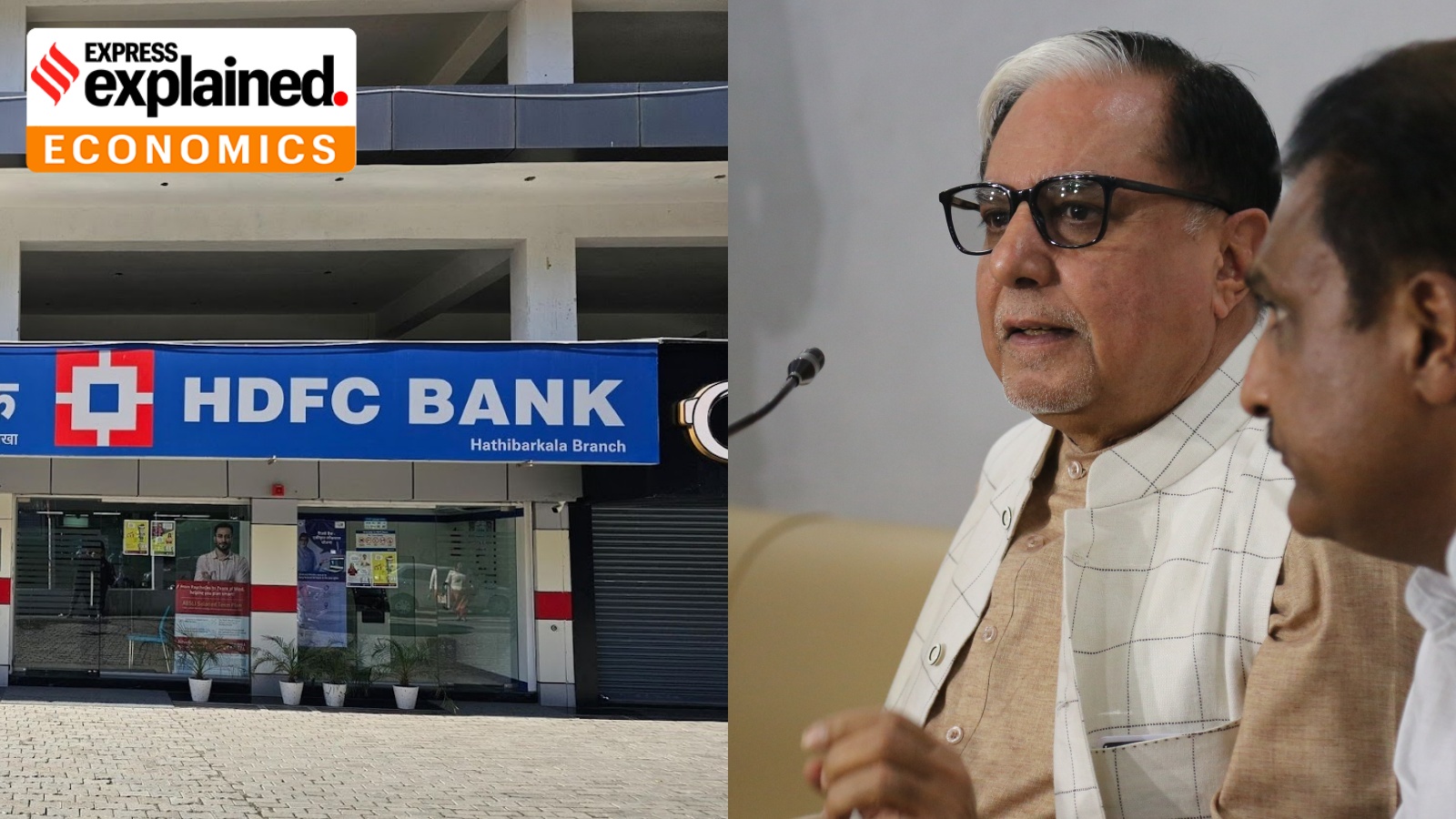
HDFC Bank and Canara Bank are challenging or considering challenges to the approval.

Dissenting lenders allege five family-linked entities controlled 61.78% of the voting share.
They argue the entities were associates or related parties barred from voting under insolvency law.
The committee of creditors approved the plan with 80.81% support, according to the NCLT order.
The plan offers ₹6.5 crore against admitted claims of about ₹22,006.57 crore, or roughly 0.03% recovery.
HDFC Bank is considering an appeal, while Canara Bank says it will approach the NCLAT.
- Who
- Subhash Chandra, five family-linked entities, and dissenting lenders including HDFC Bank, IDBI Trusteeship Services, and Canara Bank.
- What
- Lenders are disputing the voting rights of five entities involved in approving Chandra’s personal insolvency resolution plan.
- Where
- The matter concerns proceedings before the National Company Law Tribunal, with challenges directed to the National Company Law Appellate Tribunal.
- When
- The NCLT issued a 144-page order; the articles do not specify the order’s date.
- Why
- Lenders allege that the five entities were associates or related parties and object to the plan’s low proposed recovery.
Dissenting lenders
Chandra and approved-plan position
Eligibility to vote
Dissenting lenders
HDFC Bank, IDBI Trusteeship Services, and other dissenting lenders argue that Veena Investments, Direct Media Distribution Ventures, World Crest Advisors LLP, Lemonade Capital Advisors LLP, and Corpcall Capital Advisers LLP were associates or related parties and should have been barred from voting.
Chandra and approved-plan position
The plan received 80.81% approval from the committee of creditors, and the NCLT issued an order approving it; the articles do not provide a separate explanation of the entities’ eligibility to vote.
Impact of disputed votes
Dissenting lenders
The lenders say the five entities’ combined 61.78% voting share was instrumental in securing approval and should not have been counted.
Chandra and approved-plan position
The plan was approved based on the voting result recorded in the NCLT order, although the articles do not state how the result would change if the disputed votes were excluded.
Recovery of dues
Dissenting lenders
Lenders object to the proposed ₹6.5-crore payment against admitted claims of about ₹22,006.57 crore, representing roughly 0.03% recovery.
Chandra and approved-plan position
Chandra says borrowers assured him they would reconcile their accounts with lenders and settle outstanding dues, and he urged lenders to negotiate directly with the borrowers.
Key facts
- Proposed payment
- ₹6.5 crore
- Admitted creditor claims
- Approximately ₹22,006.57 crore
- Estimated recovery
- Roughly 0.03%
- Committee approval
- 80.81%
- Disputed voting share
- 61.78%
- Personal guarantees
- Approximately ₹22,000 crore
- Claims and payable amount cited by Chandra
- Claims of ₹5,311 crore against a payable amount of ₹998 crore; after ₹1,049 crore in settled or paid claims, he cited ₹4,262 crore remaining.
Quotes
Subhash Chandra
Essel Group chairman and founder addressing lender claims in his personal insolvency proceedings
“Most of these were or are being settled by the borrowers. Remaining either have adequate assets or are going to be paid,”
 rediff.com
“Against a payable amount of Rs 998 crore, claims filed were Rs 5,311 crore,”
rediff.com
Sources

Related news
Lenders Challenge NCLT Approval of Subhash Chandra’s Insolvency Plan
Banks Challenge Subhash Chandra’s Rs 6.25-Crore Insolvency Payout
Lenders Challenge NCLT Approval of Subhash Chandra Repayment Plan
NCLAT to Hear Creditors’ Challenge to Chandra Repayment Plan
Lenders Challenge NCLT Approval of Subhash Chandra Repayment Plan

How Chandra’s ₹6.5 Crore Repayment Plan Survived NCLT Scrutiny

India Draws Record $127 Billion Through FCNR Deposit Scheme

Major Banks Cut FCNR Deposit Rates After Subsidy Ends

Uber Driver Returns ₹37,000 Sent by Mistake, Refuses Reward

ICICI Bank Nears HDFC Bank as Nifty’s Top Influence

Brokerages Suggest HDFC Bank, PB Fintech, Parag Milk Foods
