Archive · 5 Nov 2025
China Halts Some Tariffs on US Farm Goods, Soybeans Still Costly

China and the United States had been putting extra taxes on each other's products, making trade difficult.
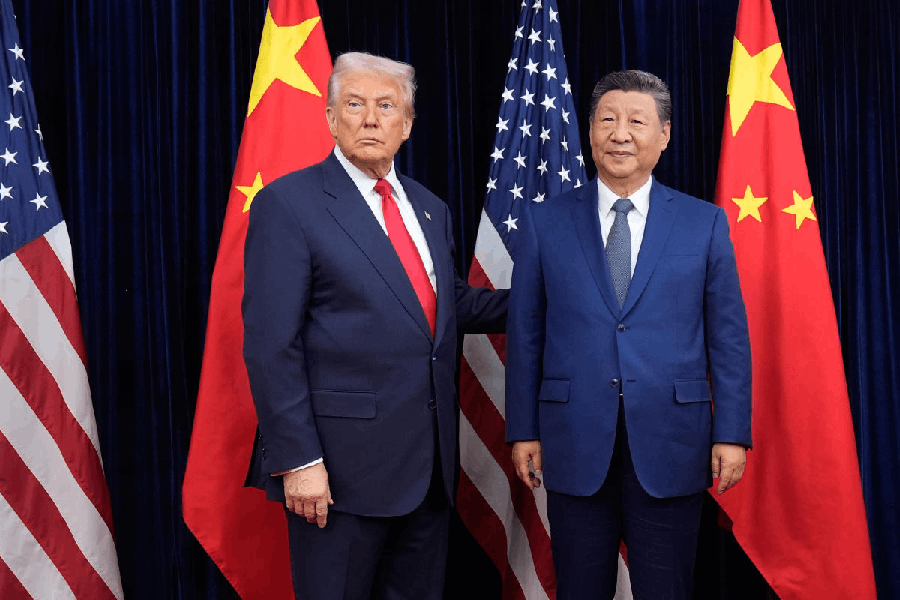
After their leaders met, China announced it would stop some of these extra taxes on American farm items, starting November 10.
However, one important crop, soybeans, will still have a 13% tax.
Traders think this tax is still too high, and China might buy cheaper soybeans from Brazil instead of the US.
The US said China agreed to buy a lot of soybeans over the next few years, but China hasn't officially confirmed these big numbers yet.
Some think this is a good sign for the trade relationship, but others are waiting to see if these changes lead to more actual buying.

China will suspend retaliatory tariffs on certain US agricultural imports, effective November 10.
A 13% tariff will remain on US soybeans, making them less competitive than Brazilian alternatives.
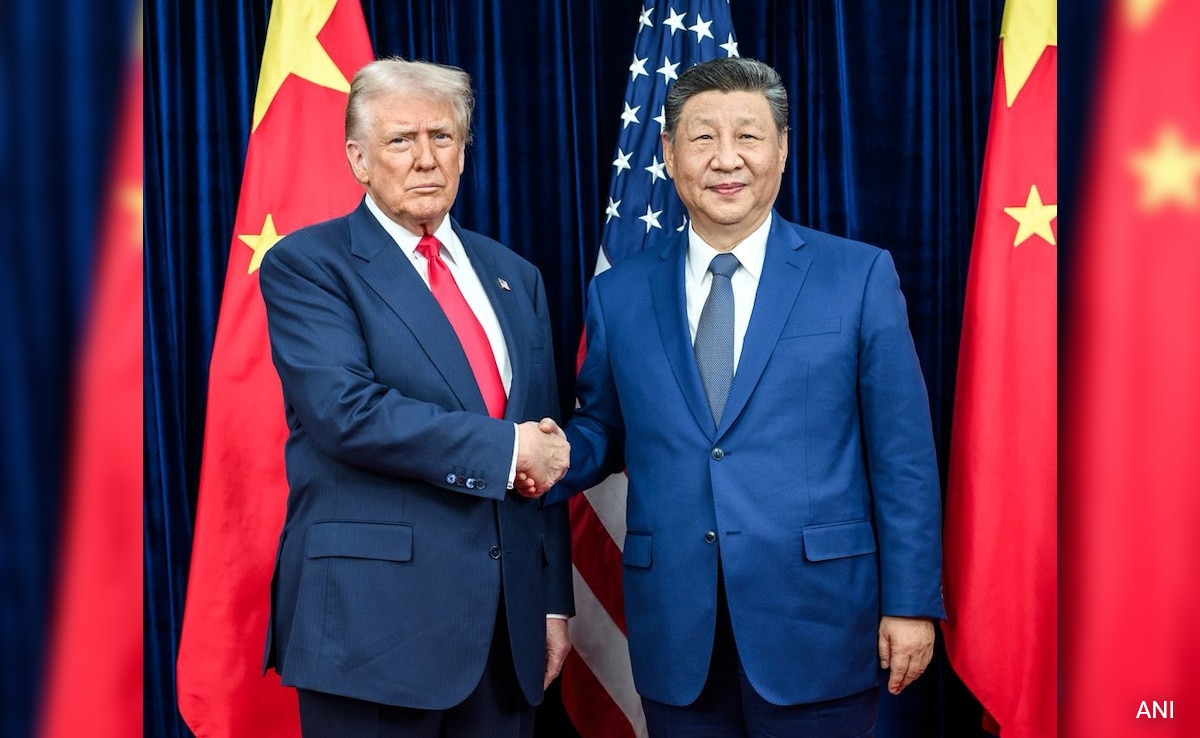
The decision follows a meeting between Chinese leader Xi Jinping and US President Donald Trump in South Korea.
China's cabinet will also suspend for one year the 24% additional tariffs imposed on US goods in April.
While the US claims China committed to large soybean purchases, Beijing has yet to confirm these figures.
- Who
- China's State Council tariff commission, Chinese buyers, US President Donald Trump, Chinese leader Xi Jinping
- What
- China will suspend retaliatory tariffs on certain US agricultural imports and other goods, but a 13% tariff will remain on US soybeans. This follows a meeting between the leaders of both countries.
- When
- The suspension of tariffs is effective from November 10. The suspension of additional tariffs on US goods imported in April will last for one year.
- Where
- China (announcement and tariff implementation), South Korea (meeting location), United States (origin of goods), Brazil (alternative supplier of soybeans).
- Why
- To ease fears of talks breaking down, de-escalate the tariff war, and improve bilateral economic relations following a meeting between the leaders.
Concerns
Benefits
Soybean Tariffs
Concerns
A 13% tariff remains on US soybeans, making them more expensive than Brazilian alternatives, which traders believe will prevent Chinese buyers from returning to the US market.
Benefits
China's suspension of retaliatory tariffs on other US agricultural goods is seen as a positive step towards resolving the trade war and improving bilateral economic relations.
Purchase Commitments
Concerns
China has not yet confirmed US figures regarding substantial soybean purchases, leading to close observation for signs of large-scale buying.
Benefits
The meeting between leaders and the subsequent tariff adjustments signal rapid progress and alignment, indicating the trade agreement is likely to hold.
- Tariff Suspension
- China will suspend retaliatory tariffs on certain US agricultural goods and other US goods imported in April.
- Soybean Tariff
- US soybeans will still face a 13% tariff.
- Tariff Removal Date
- Effective November 10.
- US Soybean Purchases (US Claim)
- At least 12 million metric tons in the final two months of 2025 and at least 25 million tons in each of the next three years.
- Affected Products (Suspended Tariffs)
- Certain US agricultural goods and other US goods imported in April.
- Meeting Context
- Follows a meeting between Chinese leader Xi Jinping and US President Donald Trump in South Korea.
- Previous Trade
- In 2024, China bought roughly 20% of its soybeans from the US, down from 41% in 2016. China's cabinet will also suspend for one year the 24% additional tariffs it imposed on US goods in April.
Sources
Trump Tries Old Tactic With China On Fentanyl - A New 'Working Group'
China halts extra 24% tariff on US goods for a year, keeps 10% tax
China Suspends Tariffs On US Agricultural Goods After Fentanyl Tariff Cuts