

Archive · 29 May 2025
Fashion Industry Tries Environmentally-Friendly Materials
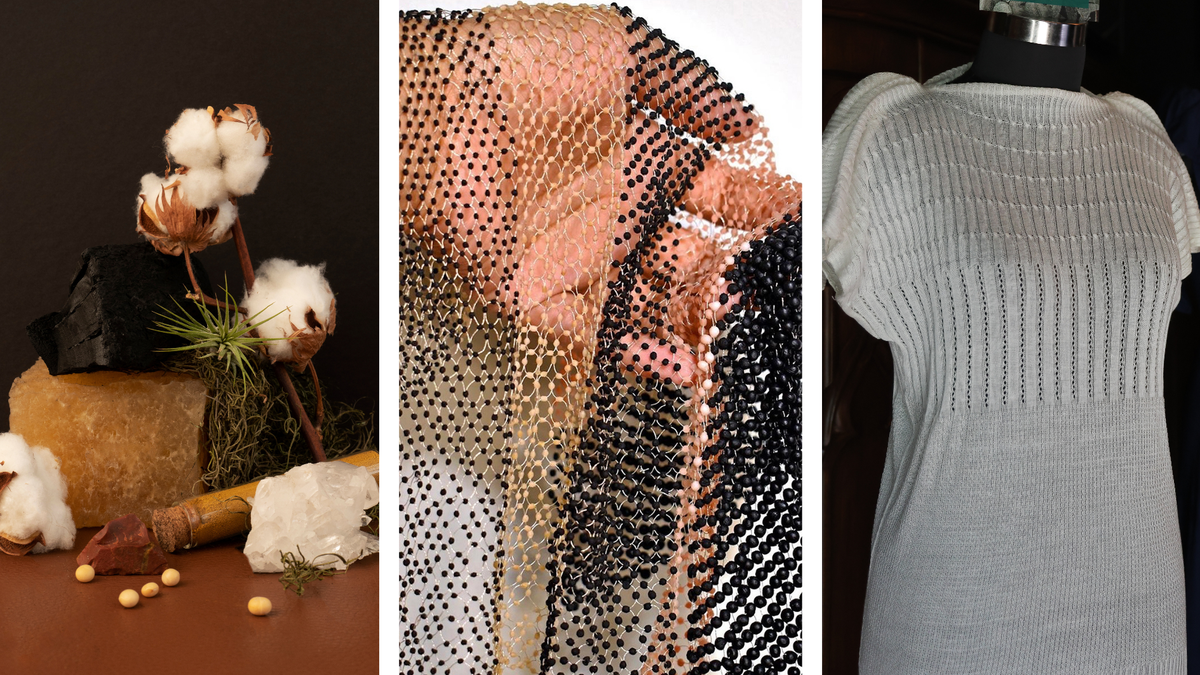
Fashion is changing to be more friendly to the planet!
Instead of using materials that hurt the environment, like plastic, designers are now using things like algae, pineapple leaves, and even banana waste.
These new materials are used to make clothes, shoes, and accessories.
Though these materials are good for the environment, it's tricky to make them and sell them affordably.
Making these products on a large scale is difficult, requiring lots of money and time.
But, as more companies work together, we might see more eco-friendly fashion soon!

Fashion is turning to bio-materials like algae and pineapple for eco-friendly alternatives.
The fashion industry heavily relies on synthetics and natural resources, contributing to pollution.
Companies are creating materials from potato stems, seaweed, and banana fiber.
Leather alternatives, such as Mirum and Reishi, are also gaining traction.
Challenges exist in scaling production, cost-effectiveness, and consumer education for these new materials.
- Who
- Fashion designers and material scientists.
- What
- Use of sustainable materials such as algae, banana fiber, and pineapple leaves in fashion.
- When
- Ongoing developments since at least 2018.
- Where
- Globally, with a focus on India.
- Why
- To reduce the fashion industry's environmental impact.
Challenges in Sustainability
Sustainability Advances
Challenges in Scaling and Cost-Effectiveness
Challenges in Sustainability
Sustainable alternatives are challenging due to higher production costs, longer R&D periods, and the integration of synthetics for performance and durability, posing financial hurdles and consumer education challenges.
Sustainability Advances
Alternative materials are more costly, but sustainable options are essential for the future. Collaboration between manufacturers, innovators, and large brands are critical to support growth.
- Fashion's Plastic Consumption
- Estimated quarter of 450 million tonnes produced in 2023
- Fashion's Greenhouse Gas Emissions
- Up to 10% of global emissions
- Example Sustainable Materials
- Algae, pineapple leaves (Piñatex), banana fiber (Bananatex), mycelium-based Reishi, and cactus (Desserto)
- Company developing Kelsun fiber
- Keel Labs
- Example Leather Alternative Material
- Mirum by Natural Fiber Welding
- Malai monthly material production
- 200 sq. mt.