2 hrs ago
Russia Says National Currencies Handle Most BRICS Trade
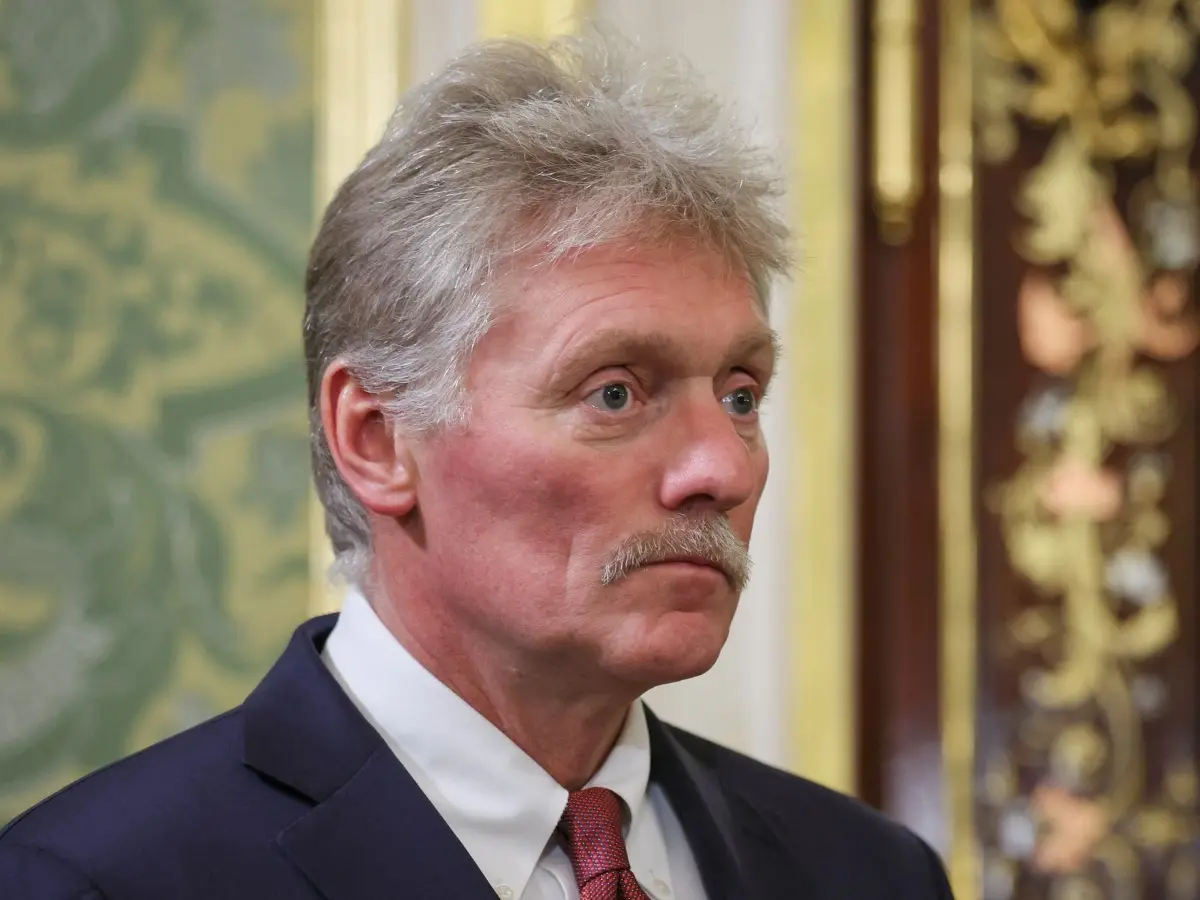
Russia says most of its trade with BRICS countries is now paid for using national currencies.
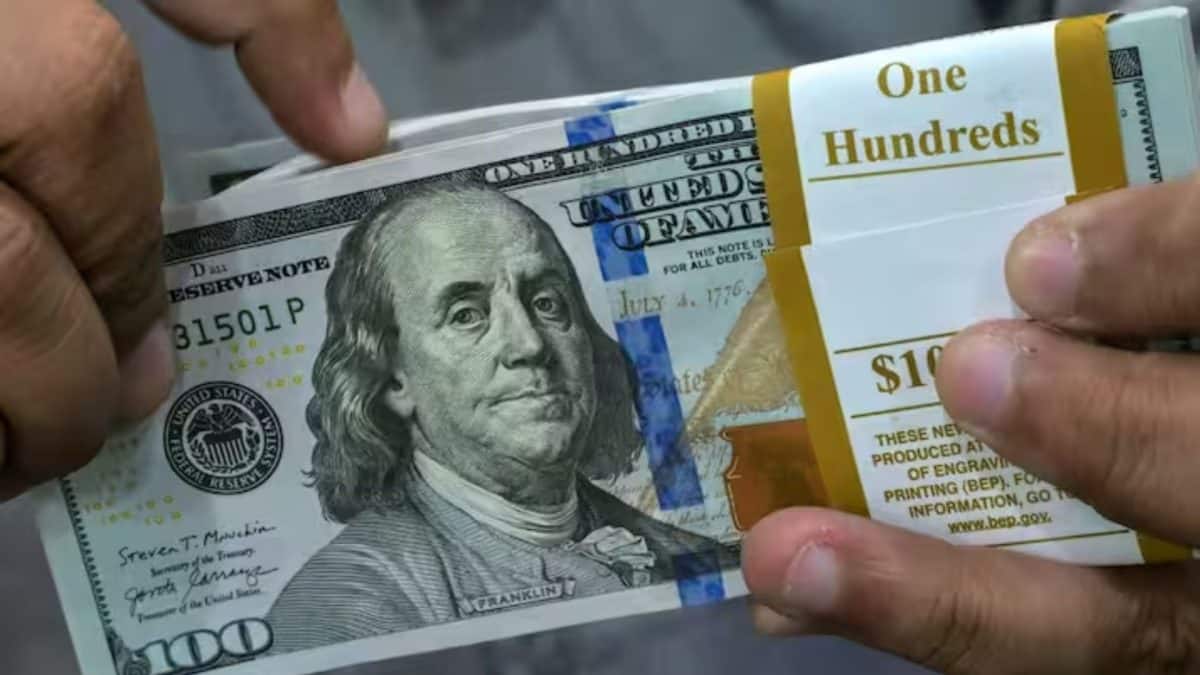
This means countries use their own money instead of relying mainly on the US dollar.
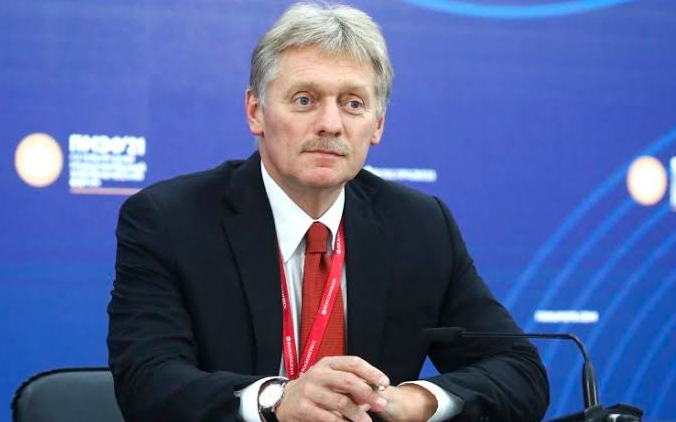
Dmitry Peskov said Russia is not trying to end the dollar’s role everywhere.
He said restrictions on Russia’s access to some currencies helped cause this change.
Russia says using national currencies can be useful for all participating countries.
The statement comes after sanctions affected Russian banks and financial access.
Russia also announced plans for a BRICS grain exchange to support food security.
The comments were made before a BRICS summit in New Delhi, where Vladimir Putin is expected to meet Narendra Modi.

Dmitry Peskov said more than 90% of Russia-BRICS transactions are settled in national currencies.
Peskov said Russia is not pursuing de-dollarisation and remains open to any payment method.
He argued national-currency payments reflect restrictions on Russia’s access to some foreign currencies and benefit participating countries.
Russia announced a BRICS grain exchange program intended to contribute to global food security.
The comments came before the BRICS leaders’ summit in New Delhi on September 12 and 13, where Vladimir Putin is expected to meet Narendra Modi.
- Who
- Dmitry Peskov, speaking for Russia, discussed trade with BRICS countries; Vladimir Putin and Narendra Modi are expected to attend the upcoming summit.
- What
- Russia said more than 90% of its trade transactions with BRICS countries are settled in national currencies and announced a BRICS grain exchange program.
- Where
- The comments were made at a Sputnik India briefing; the summit is scheduled for New Delhi.
- When
- Peskov made the comments ahead of the BRICS leaders’ summit scheduled for September 12 and 13.
- Why
- Russia presents national-currency payments as a practical response to restrictions on its access to foreign currencies and international financial systems.
Russia’s Practical-Settlement Argument
Sanctions and Financial-System Context
Why national currencies are being used
Russia’s Practical-Settlement Argument
Russia says it is not pursuing de-dollarisation ideologically and is using national currencies because restrictions limit its access to some foreign currencies.
Sanctions and Financial-System Context
The sanctions context shows that Russian banks and reserves were restricted within the US-dominated financial system, encouraging concern about dependence on that system.
Effect on international payments
Russia’s Practical-Settlement Argument
Peskov said payments in national currencies are beneficial for all participating countries and that Russia remains open to any payment method.
Sanctions and Financial-System Context
The shift is also presented as a response to financial pressure following the invasion of Ukraine, rather than solely as a voluntary policy choice.
Key facts
- Speaker
- Dmitry Peskov, Kremlin spokesperson
- Settlement share
- More than 90% of Russia-BRICS transactions, according to Peskov
- Payment approach
- National currencies rather than reliance on a single foreign currency
- Russia’s stated position
- Moscow says it is not pursuing de-dollarisation and is open to any payment method
- Additional initiative
- A BRICS grain exchange program
- Upcoming summit
- BRICS leaders’ summit in New Delhi on September 12 and 13
- Sanctions context
- Russian banks were cut off from SWIFT, while about $300 billion in reserves was frozen in US and European accounts
Quotes

Dmitry Peskov
Kremlin spokesperson speaking at a Sputnik India briefing
“We are not pursuing the goal of de-dollarisation. On the contrary, we are open to any possible payment method.”
 wionews.com
“Since they don’t allow us to use their currencies, we use our own”
wionews.com
Sources
Related news
BRICS Focuses on Local-Currency Payments, Not a Common Currency
BRICS explores local-currency payments to reduce dollar dependence
BRICS Leaders Eye Local-Currency Trade, Not Common Currency
Modi and Putin Set Bilateral Talks Ahead of BRICS Summit
India to Host Landmark BRICS Sovereign Capital Summit in Delhi