Archive · 19 Jan 2026
Thrifting Culture Gains Momentum in India
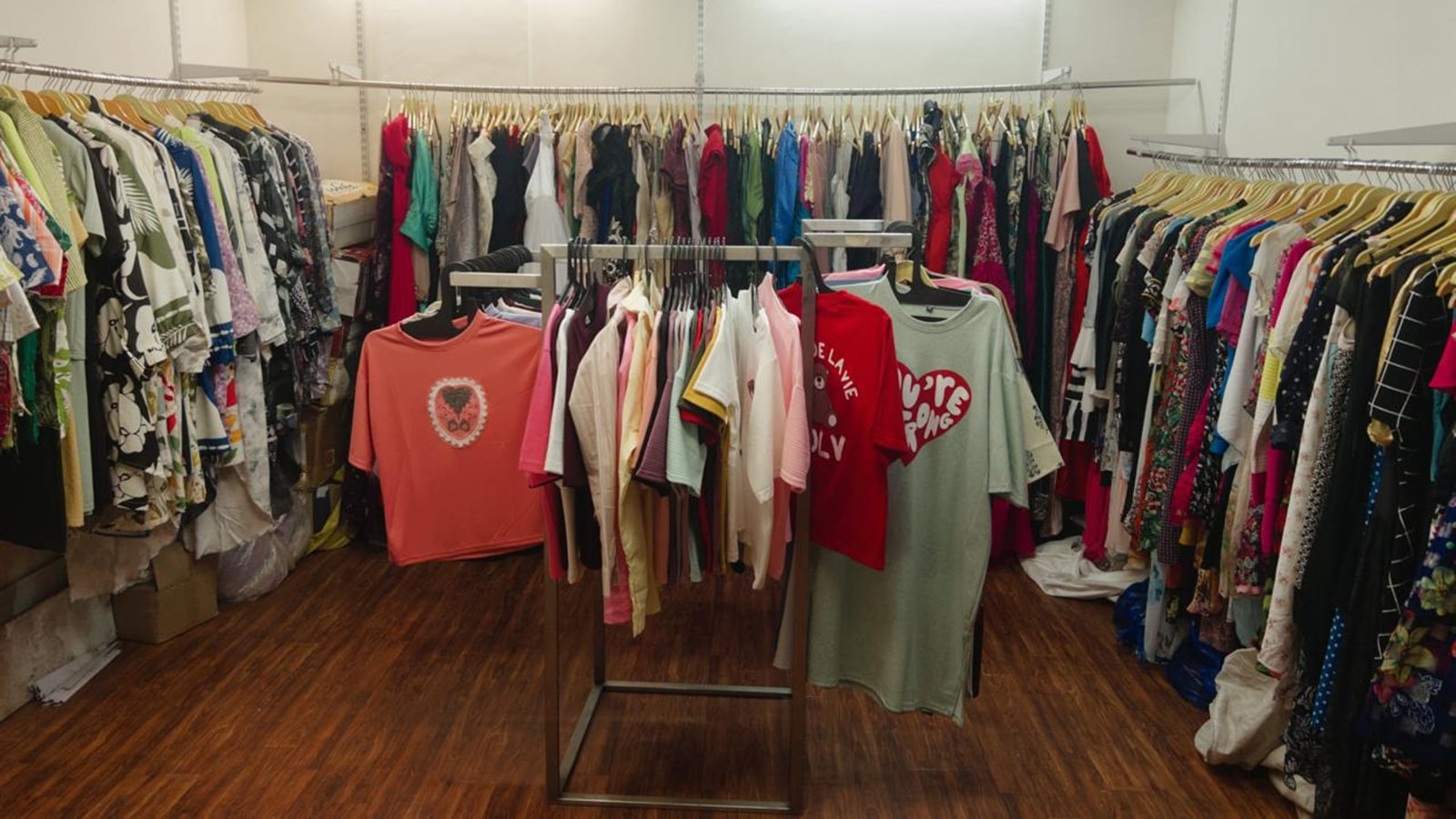
Thrifting, which means buying used clothes, is becoming very popular in India, especially among young people.
After the Covid pandemic, more people started buying second-hand clothes because it's good for the environment and doesn't cost much.
In cities like Mumbai and Pune, you can find these clothes in markets or online.
People like it because they can express their style without spending a lot of money.
Some even change the clothes to make them unique.
This trend is helping people think differently about how they buy clothes and is becoming a big part of Indian culture.

The global second-hand apparel market is valued at $211 billion post-Covid, with thrifting gaining momentum in India.
Thrifting is popular among urban youth and students for its affordability, sustainability, and opportunities for self-expression.
Key cities in India with thrifting markets include Mumbai, New Delhi, Pune, and Kolkata, both online and offline.
Environmental concerns and the desire to resist fast-fashion norms are driving the thrifting culture in India.
Online platforms like Instagram have made thrifting more accessible, turning it into a trendy and community-driven activity.
- Who
- Urban youth and students in India
- What
- The rise of thrifting culture, which involves buying previously owned clothes and accessories
- When
- Post-Covid pandemic
- Where
- India, with markets in Mumbai, New Delhi, Pune, and Kolkata
- Why
- To promote sustainability, affordability, and self-expression while challenging fast-fashion norms
- Global Second-Hand Apparel Market Value
- $211 billion
- Key Indian Cities with Thrifting Markets
- Mumbai, New Delhi, Pune, Kolkata
- Primary Thrifting Demographics
- Urban Youth, Students
- Benefits of Thrifting
- Affordable, Sustainable, Self-Expression
- Online Platforms for Thrifting
- Shared Benefit Model in Thrifting
- 60% of sale proceeds go back to the original owner