

Archive · 26 May 2025
Electric Vehicles: Resurgence, Challenges, and the Future
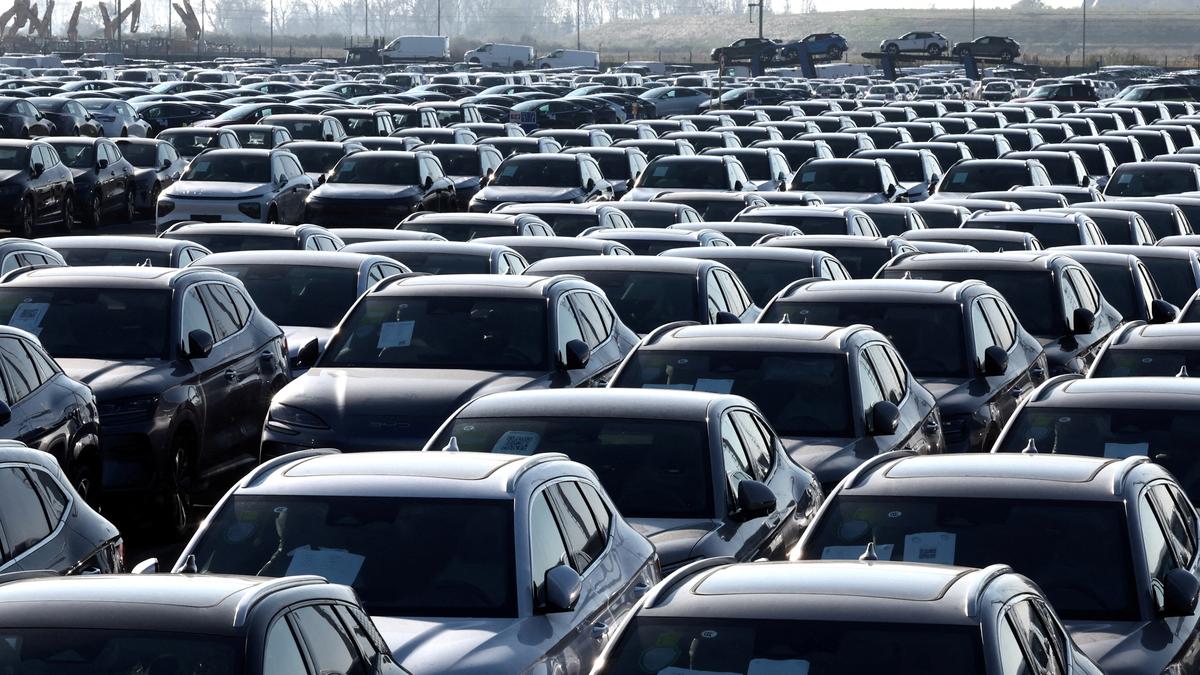
Electric cars are making a comeback!
They were popular over 100 years ago and are now back because they're cleaner than gas cars.
The world is trying to reduce pollution, and EVs help with that.
Big companies like Tesla and BYD are making lots of them, especially in China.
But making batteries has its own problems, like where we get the materials and how it affects the environment.
Governments are helping by offering incentives.
Overall, EVs are changing how we get around, but there are challenges, especially in terms of environmental concerns and how the industry is changing.

Electric vehicles (EVs) are increasing in popularity.
Early EV prototypes date back to the 1820s.
The transport sector accounts for 23% of global energy-related CO2 emissions.
China dominates the EV battery manufacturing market.
India and other markets are seeing growth in electric two- and three-wheelers.
- Who
- EV manufacturers, governments, consumers, and various international organizations are involved.
- What
- The resurgence of electric vehicles (EVs) and their increasing presence in various forms of transportation.
- When
- Electric vehicles have gained popularity recently, with early prototypes dating back to the 1820s.
- Where
- The U.S., Europe, China, and India are key regions, with manufacturing and market dynamics shifting.
- Why
- EVs are a cleaner alternative to internal combustion engines, reducing pollution and greenhouse gas emissions, along with government policies and technological advancements.
Opportunities
Concerns
Economic Impact
Opportunities
Transition could mean growth of both EV and ICE sectors as vehicle ownership rises in the long term.
Concerns
Job losses expected in the automotive sector due to fewer parts and different skills needed for EV manufacturing.
Geopolitical Influence
Opportunities
Europe and the US are responding with tariffs and investigations to protect their markets
Concerns
China is leading the global auto technology race, potentially leading to trade imbalances and power shifts.
- Historical Context
- Over a third of all US vehicles sold were EVs in the early 1900s
- Emissions Contribution
- 23% of global energy-related CO2 emissions are from the transport sector
- Market Dominance
- China holds over 70% of EV battery manufacturing
- Cost Reduction
- EV battery costs have decreased from $1200/kWh in 2010 to around $100/kWh in 2024
- Indian Market
- Electric two-wheelers sales have increased significantly in India