3 weeks ago
Rajasthan's first farmer-owned Agri-PV project could raise farm incomes 10-fold
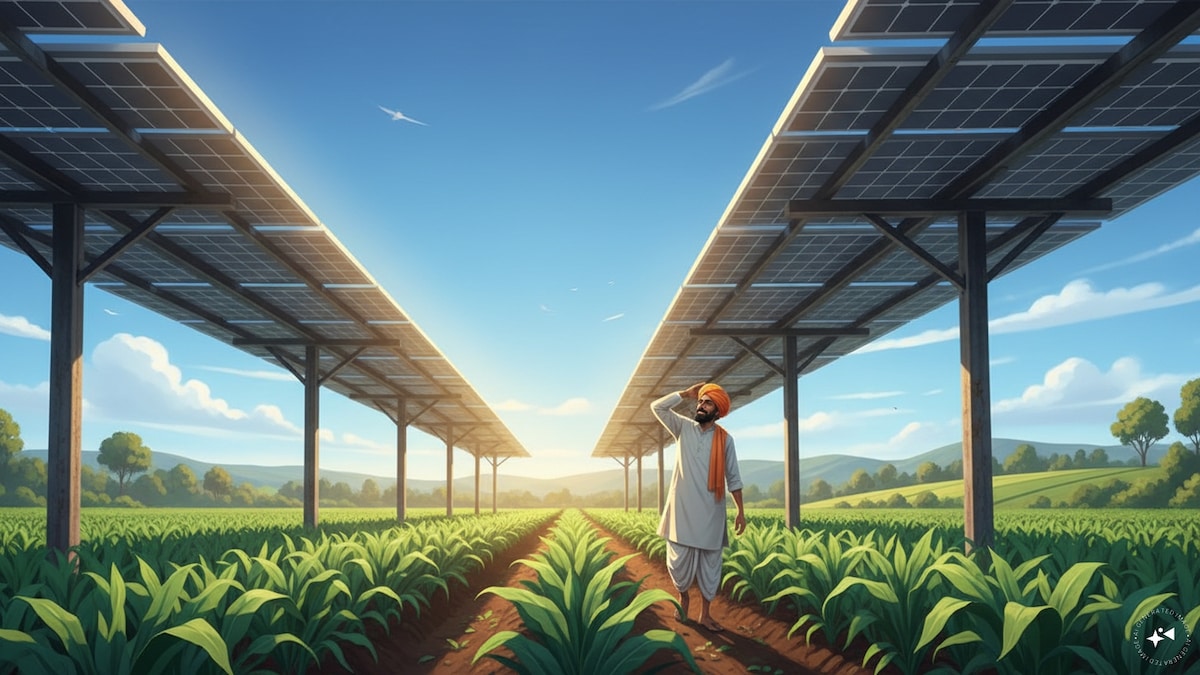
A farmer in India named Kajod Mal Jat used to grow wheat and bajra on his land and earn about ₹40,000 per acre every year.
Now, the same field does something very special: tall solar panels stand above the crops, catching sunlight to make electricity, while the plants keep growing underneath.
This is called Agri-PV, which is a mix of farming and solar power.
The project is the first one in Rajasthan owned by a farmer, and it was opened on 24 June 2026 by a research group called ICRIER, with help from Kotak Mahindra Bank.
Instead of choosing between a solar park and a farm, the farmer gets both, and he chose chilli and maize to grow.
The maize was already harvested, and the chilli is three months into its six-month growing cycle.
The electricity from the panels could make the farm's income eight to ten times bigger than before.
Most of that increase comes from selling electricity, because the farming income is still an estimate for now.
The project produces clean, renewable energy, which helps India's goal of using more non-fossil fuel power.
The team plans to build similar projects in Madhya Pradesh and Odisha, so more farmers can become both food providers and energy providers.

Rajasthan's first farmer-owned Agri-PV demonstration project, a 600 kW DC installation inaugurated on 24 June 2026, combines solar power generation with crop farming on the same plot.
Kajod Mal Jat, who previously earned about ₹40,000 per acre a year from wheat and bajra, now grows chilli and maize under elevated solar panels while selling electricity under the PM-KUSUM scheme.
Combined income from power and farming has the potential to be eight to ten times higher than conventional cultivation, driven largely by solar revenue since agricultural income is still projected.
The about ₹2.35 crore project is expected to generate close to 9.4 lakh units of clean electricity a year, with IRR climbing from 12% to 18% and payback falling from about 12 years to six with viability gap funding.
VGF came from Kotak Mahindra Bank's CSR programme rather than a dedicated government mechanism, and ICRIER is already implementing further Agri-PV pilots in Madhya Pradesh and Odisha.
- Who
- Kajod Mal Jat, the farmer-owner, with implementation by ICRIER and backing from Kotak Mahindra Bank under the PM-KUSUM scheme.
- What
- A farmer-owned Agri-Photovoltaic demonstration project that generates solar electricity from panels raised above fields while crops continue to be grown underneath, combining power sales with farming on the same land.
- Where
- Kundanpura village in Bassi block, Jaipur district, Rajasthan, India.
- When
- Inaugurated on 24 June 2026; the first cropping season is currently underway.
- Why
- To raise farm incomes by up to eight to tenfold and expand renewable energy without taking farmland out of food production, supporting India's 500 GW non-fossil fuel capacity target by 2030.
Key facts
- Project
- Rajasthan's first farmer-owned Agri-PV demonstration project (PM-KUSUM Component A)
- Location
- Kundanpura village, Bassi block, Jaipur district, Rajasthan
- Capacity
- 600 kW DC
- Investment
- About ₹2.35 crore
- Expected annual generation
- Close to 9.4 lakh units of clean electricity
- Tariff
- ₹3.14 per unit (PM-KUSUM)
- Income potential
- Eight to ten times conventional cultivation, driven largely by solar revenue
- Financial returns
- 12% IRR standard; 18% IRR with viability gap funding of ₹35.3 lakh
Quotes
Subhodeep Basu
ICRIER researcher implementing the pilot
“The solar energy income is based on actual revenues generated through electricity sales under the PM‑KUSUM model, whereas the agricultural income is currently projected because we are still in the first cropping season,”
 CNBC TV 18
“At present, accessing a viability gap funding mechanism for Agri‑PV is challenging because no dedicated government provision currently exists for providing capital subsidy or VGF specifically for agrivoltaic systems,”
CNBC TV 18
Sources
Related news
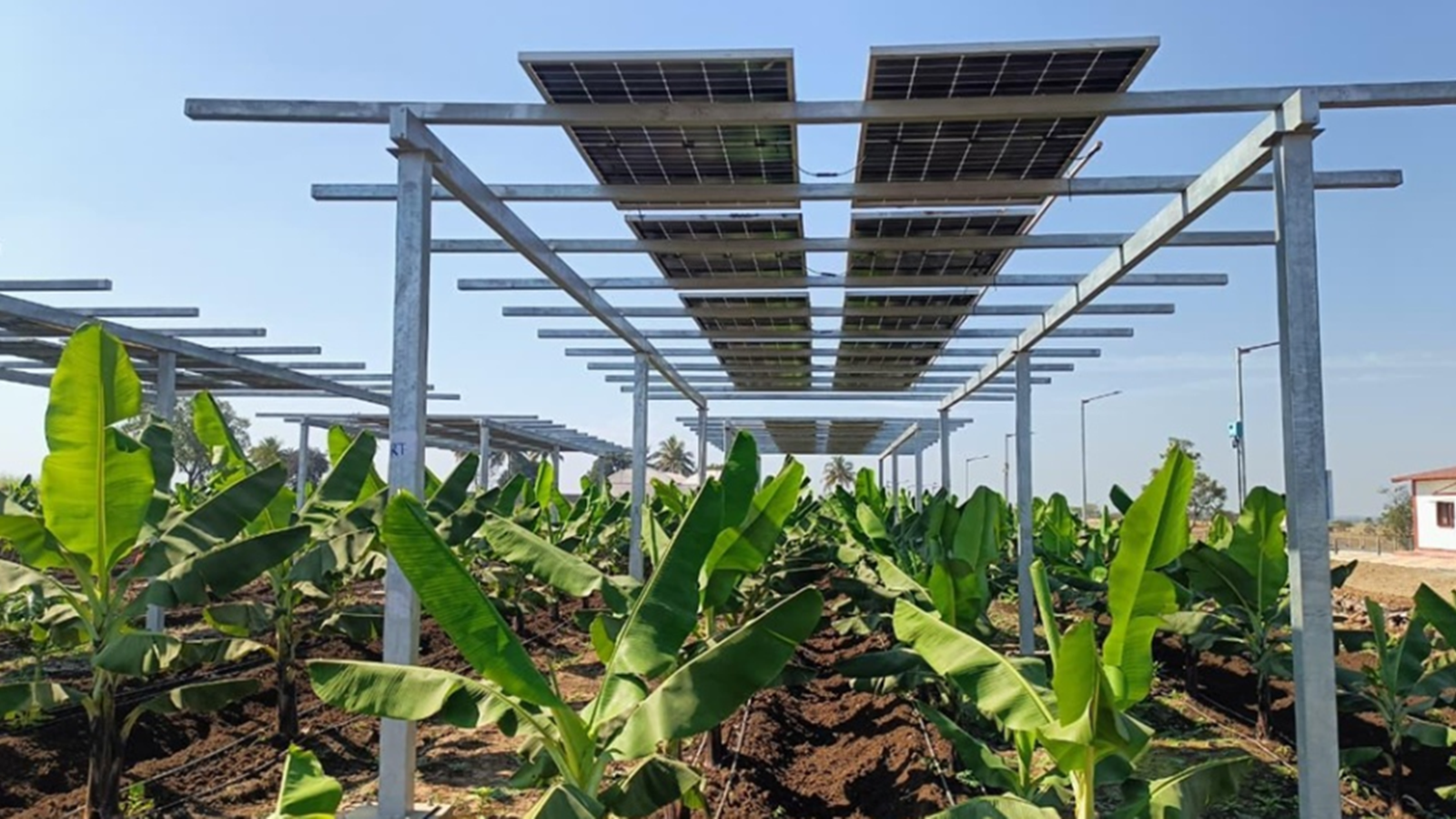
Agrivoltaic Trials Test Crops and Solar Power Together

ACME Solar Secures Rs 1,571 Crore for Rajasthan Project

Dragon Fruit Cultivation Raises Incomes for Farmers in Jangaon
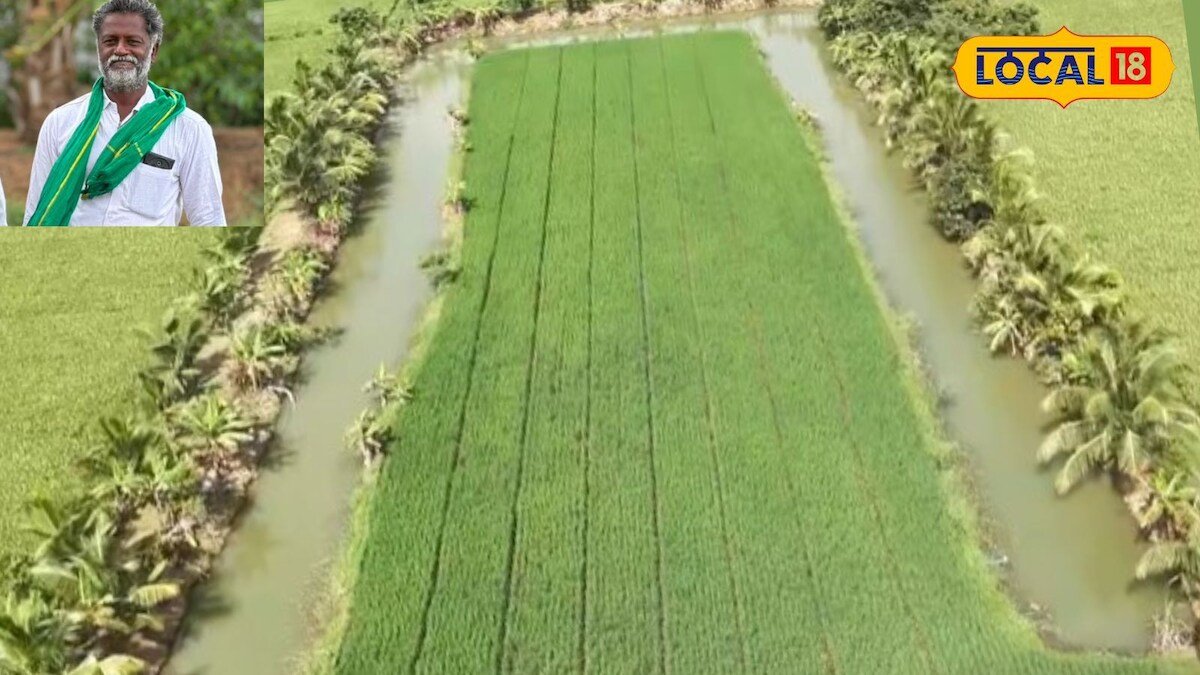
Andhra Pradesh farmer earns ₹15 lakh with Fish Paddy Model

Madhya Pradesh Plans ₹11,000 Crore Daytime Farmer Power

Mahindra-SML Merger Targets Growth Through Shared Platforms and Services

Major Banks Cut FCNR Deposit Rates After Subsidy Ends

Axis Securities Names 15 Stocks With Up To 40% Upside

Indian Market Ends Lower as Volatility Keeps Trading Non-Directional

Anand Mahindra Says Businesses Need Stability and Direction