Archive · 9 Jan 2026
Patients regain weight faster after stopping obesity drugs
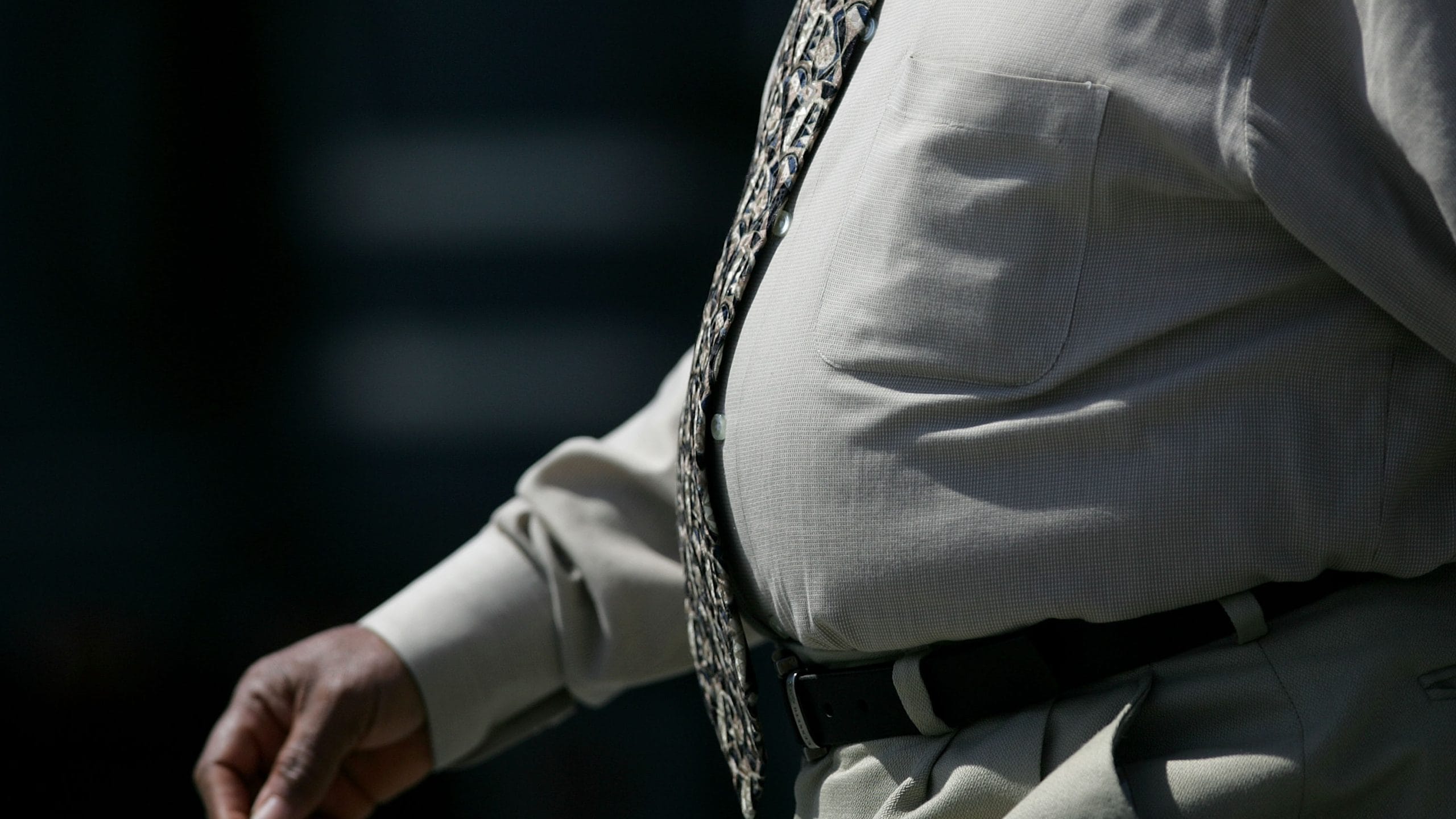
A new study found that people who stop taking obesity drugs like semaglutide and tirzepatide gain back their weight very quickly, almost four times faster than people who stop dieting.
On average, they gain about 0.4 kilos (0.9 pounds) each month, and it takes less than two years to return to their original weight.
This is important because many people stop using these drugs within a year.
The study also found that the health benefits from the drugs, like lower cholesterol and blood pressure, go away when people stop taking them.
In contrast, people who lose weight through diet and exercise tend to keep the weight off longer.
The study looked at 37 different research papers with over 9,000 participants.
Scientists say this shouldn't be surprising because, for many chronic diseases, stopping treatment often means the benefits stop too.

Patients regain weight four times faster after stopping obesity drugs than after dieting, averaging 0.4 kilos (0.9 pounds) per month.
It takes less than two years to return to the original weight after stopping GLP-1 drugs like semaglutide and tirzepatide.
About 50% of patients stop using GLP-1 drugs within a year, highlighting the challenge of long-term weight control with drugs alone.
The study reviewed 37 research papers involving 9,341 participants, comparing different weight-loss medications and behavioral programs.
Behavioral weight-management programs, which focus on sustained changes like reduced calorie intake and increased physical activity, are associated with slower weight regain.
- Who
- Patients who have used obesity drugs, particularly GLP-1 drugs like semaglutide and tirzepatide
- What
- Rapid weight regain after stopping obesity drugs, with a faster rate than after dieting
- When
- Within less than two years of stopping the drugs
- Where
- Global, based on studies involving participants from various regions
- Why
- The effects of obesity drugs fade quickly when treatment is stopped, and behavioral changes are not sustained
Drug Efficacy
Long-term Management
Weight Regain Rate
Drug Efficacy
Weight regain after stopping GLP-1 drugs is faster than after behavioral weight loss programs, averaging 0.4 kg per month.
Long-term Management
Behavioral weight-management programs, which focus on sustained changes like reduced calorie intake and increased physical activity, are associated with slower weight regain.
Long-term Use
Drug Efficacy
GLP-1 drugs are effective for weight loss during treatment but are not a long-term solution due to rapid weight regain after stopping.
Long-term Management
Long-term weight management requires a comprehensive approach, including behavioral changes and possibly continuous medication, to prevent rapid weight regain.
- Average weight regain rate
- 0.4 kilos (0.9 pounds) per month
- Time to return to original weight
- Less than two years
- Weight regain rate comparison
- Four times faster than after dieting
- Percentage of patients stopping GLP-1 drugs
- About 50% within a year
- Number of studies reviewed
- 37
- Number of participants
- 9,341
- Time to return to baseline for semaglutide/tirzepatide users
- About 18 months
- Average weight loss during treatment
- 8.3 kg
- Average weight regain in the first year
- 4.8 kg
- Average duration of weight loss treatment
- 39 weeks
- Average follow-up period
- 32 weeks
Sources
Back to original in 2 years: Patients gain weight faster coming off obesity drugs than after a diet

Quitting weight-loss jabs like Ozempic and Mounjaro leads to rapid weight regain in 1.5 years, says new BMJ study