

Archive · 25 Jun 2025
India's Green Energy Goals Face ISTS Waiver Hurdles
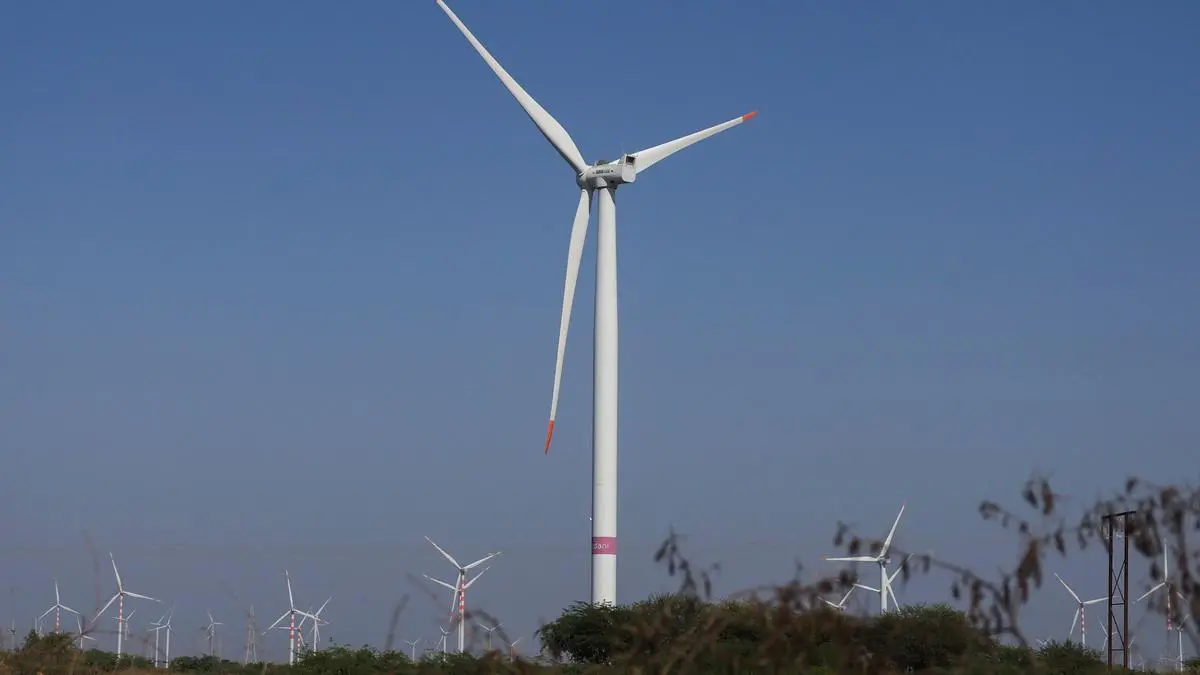
India wants to use more clean energy like wind and solar.
To help, the government gave a discount called an ISTS waiver, but it's expiring soon.
This discount helps projects connect to the power grid.
However, delays are happening, and some projects might miss the deadline.
If the discount goes away, it could make energy more expensive and slow down clean energy growth.
Companies are asking for a way to still get the discount if they are making progress.

India aims for 500 GW of renewable energy capacity by 2030.
Inter-State Transmission System (ISTS) charge waivers for RE projects are expiring.
The expiry could jeopardize ₹5 lakh crore in investments.
Delays in approvals and operationalization are causing issues.
Industry suggests milestone-based ISTS waiver extensions.
- Who
- Renewable energy developers, the government, and consumers.
- What
- Expiry of ISTS charge waivers poses challenges to renewable energy projects.
- When
- The ISTS waiver is expiring on June 30, with phased increases in charges afterward.
- Where
- India, specifically affecting projects across various states.
- Why
- Delays in approvals, grid connectivity, and policy implementation are causing issues.
Industry Perspective
Government Position
Waiver Eligibility
Industry Perspective
Industry bodies advocate for milestone-based ISTS waiver extensions.
Government Position
Existing policy has a firm deadline.
- RE Capacity Goal (2030)
- 500 GW
- ISTS Waiver Expiry
- June 30
- Investment at Risk
- ₹5 lakh crore
- Cost of Waiver Extension (estimated)
- 4 paise per unit
