

Archive · 10 Sep 2026
India Plans Ethanol Blending Beyond E20 with Flex-Fuel Vehicles
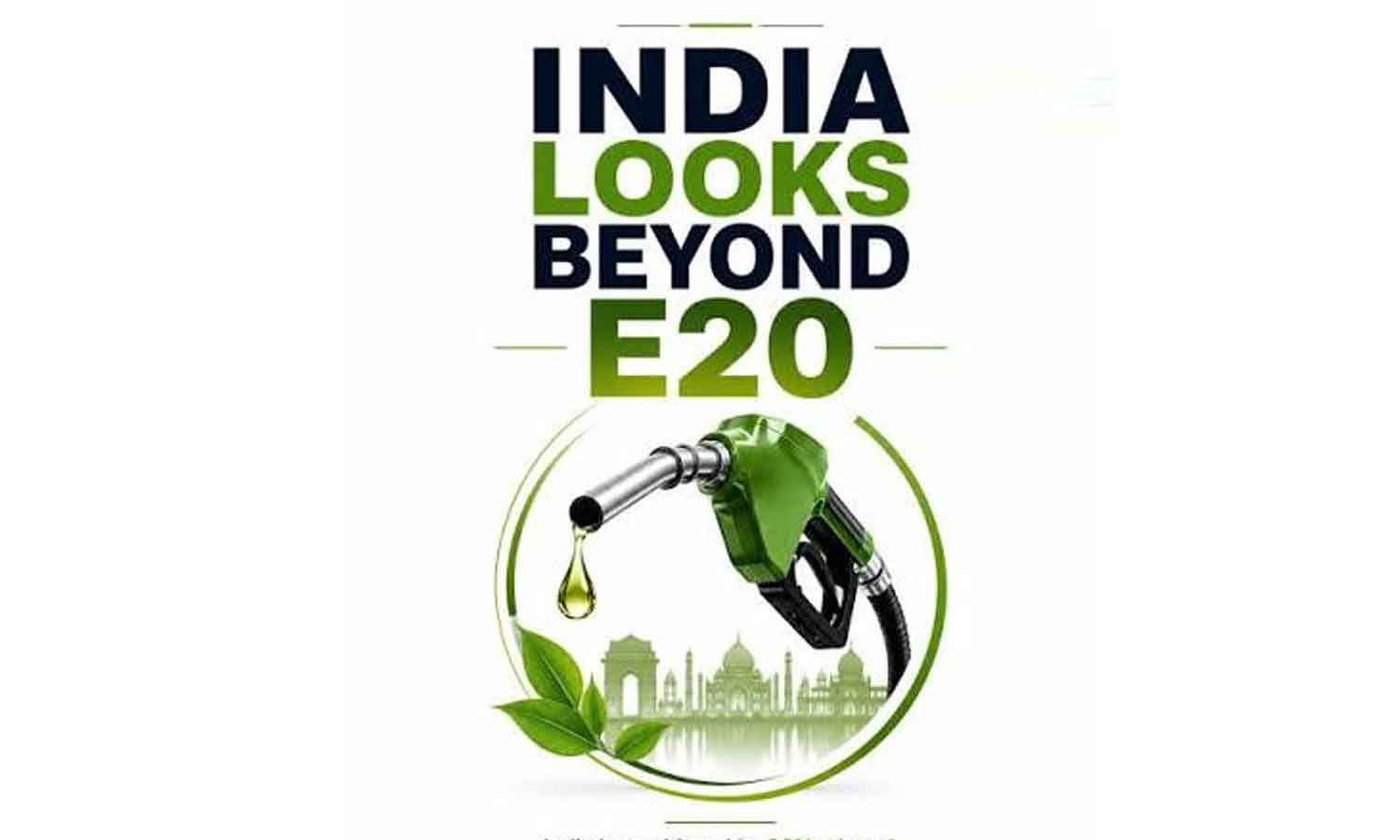
India mixes ethanol, a fuel made from plants, into petrol.
This mixture is currently called E20 because it contains 20% ethanol.
The government wants to allow mixtures with even more ethanol.
These higher mixtures would need special flex-fuel vehicles.
Officials say India now produces more ethanol than is needed for E20.
They want to find more ways to use this extra fuel.
Some people have criticized E20 because it may reduce fuel efficiency, although officials say higher octane can offset some of that effect.
The government is also exploring biofuels for diesel and compressed biogas.

India plans to permit ethanol-petrol blends above the current E20 level.
Tarun Kapoor said higher blends should be linked to flex-fuel vehicles.
Ethanol capacity now exceeds requirements for current petrol blending, prompting the search for new markets.
The government is also examining isobutanol additives for diesel and expanded compressed biogas production.
Kapoor said the West Asia crisis and rising crude prices make domestic biofuels more important.
- Who
- The Indian government and Tarun Kapoor, a member of the Prime Minister’s Economic Advisory Council.
- What
- India plans to expand ethanol blending beyond E20, linked to the rollout of flex-fuel vehicles.
- When
- The announcement was made at the fourth India Sugar & Bio-Energy Conference 2026.
- Where
- New Delhi, India; Kapoor addressed the conference virtually.
- Why
- Ethanol capacity exceeds current E20 requirements, while energy-supply concerns and rising crude prices have increased the focus on domestic biofuels.
Government and Biofuel Supporters
E20 Critics
Fuel performance
Government and Biofuel Supporters
Officials say E20 works well, and that any decline in fuel efficiency may be offset by ethanol’s higher octane.
E20 Critics
Critics have raised concerns that E20 can reduce fuel efficiency and create vehicle-related issues.
Reasons for reported problems
Government and Biofuel Supporters
Tarun Kapoor said many complaints about E20 result from misinformation or motivated reasons, and that problems are generally caused by factors other than ethanol blending.
E20 Critics
Critics maintain concerns about E20’s effects, including efficiency and vehicle performance, although the article does not identify specific critics or studies.
- Current blend
- E20 contains 20% ethanol and 80% petrol.
- Next phase
- Blends above E20 are expected to be linked to flex-fuel vehicles.
- Ethanol capacity
- Production capacity has grown beyond what is required for current petrol blending.
- Vehicle plans
- Several automobile companies have announced plans to introduce flex-fuel vehicles.
- Diesel research
- The government is examining biofuel-based additives, including isobutanol.
- Compressed biogas
- The GOBARdhan scheme promotes compressed biogas, though progress has been limited.
- Energy context
- The West Asia crisis has disrupted energy supplies, with crude oil prices approaching USD 100 per barrel.