

Archive · 23 Dec 2025
India-Pakistan Tensions Over Jhelum Water Flow
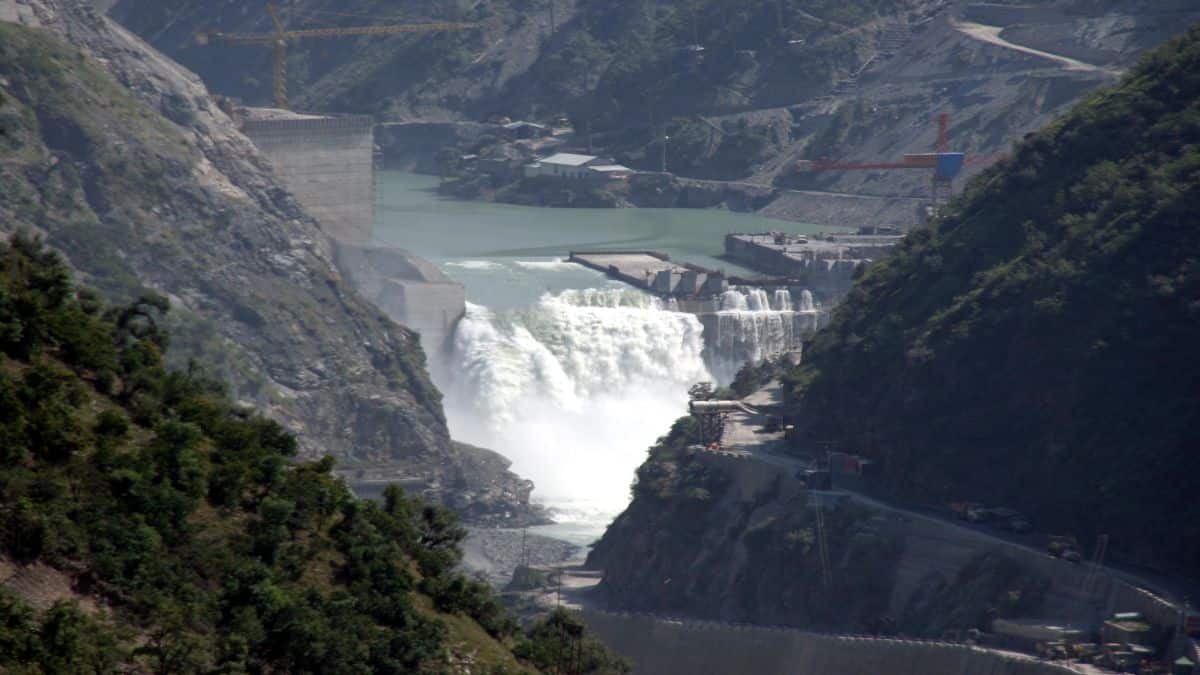
Pakistan says India is blocking the flow of water in the Jhelum and Chenab rivers.
This is a big deal because both countries share these rivers, and Pakistan relies on them for farming and drinking water.
India stopped following a special agreement called the Indus Waters Treaty after a terrorist attack.
Pakistan is worried because less water means less food for its people.
India hasn't said anything about these claims yet.
Experts say water levels can change because of weather and dams, but Pakistan thinks India is doing it on purpose.
Both countries need to talk to solve this problem.

Pakistan accuses India of blocking the flow of the Jhelum and Chenab rivers.
India suspended the Indus Waters Treaty after the Pahalgam terror attack in April 2024.
Pakistan claims water levels dropped from 5,000 to 3,000 cusecs, threatening food security.
India has not officially responded to Pakistan's letters regarding the water flow.
Experts note that water levels can fluctuate due to natural factors and dam operations.
- Who
- India and Pakistan
- What
- Dispute over Jhelum water flow
- When
- After the suspension of the Indus Waters Treaty in April 2024
- Where
- Jhelum and Chenab rivers, bordering India and Pakistan
- Why
- Pakistan claims India is blocking water flow, India has not responded
- Rivers Involved
- Jhelum and Chenab
- Accusation
- Pakistan accuses India of blocking water flow
- Indus Waters Treaty
- Suspended by India after terror attack
- Water Levels
- Declined from 5,000 to 3,000 cusecs
- Impact
- Threat to food security and livelihoods
- India's Response
- No official reply to Pakistan's letters
- Treaty Signing Year
- 1960
- Rivers Controlled by Pakistan
- Indus, Chenab, Jhelum