

Archive · 3 Oct 2026
SK Bole’s Anti-Caste Reform and Later Hindu Mahasabha Turn
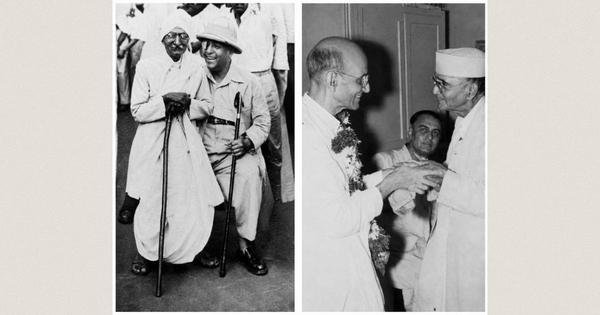
Sitaram Keshav Bole spent much of his life trying to improve the lives of people treated unfairly because of their caste.
In 1924, he helped pass a rule saying untouchables should be allowed to use public places such as wells, schools and hospitals.
BR Ambedkar later relied on that rule during a protest at Mahad.
Bole also worked for workers, tenants and better education.
Later, he joined the Hindu Mahasabha, a Hindu nationalist organisation, and worked closely with VD Savarkar.
Bole believed Hindu unity and caste reform could go together.
But his later politics helped deepen divisions between Hindus and Muslims.
His friendship and respect for Ambedkar lasted despite their different political paths.

Sitaram Keshav Bole’s 1924 council resolution called for untouchables to access public water, schools, hospitals and other facilities.
The resolution was invoked by BR Ambedkar during the 1927 Mahad satyagraha, a major moment in the anti-caste movement.
Bole worked on caste reform, education and labour rights, and served on the Bombay Legislative Council from 1920 to 1936.
After losing a 1937 election, he joined the Hindu Mahasabha and became president of its Bombay provincial branch in 1938, later aligning with VD Savarkar.
Bole maintained that Hindu unity could coexist with caste reform, but his later participation in Hindu nationalist politics contributed to communal polarisation, while his bond with Ambedkar endured.
- Who
- Sitaram Keshav Bole, a social reformer and legislator; BR Ambedkar is also central to the account.
- What
- Bole’s long record of caste and labour reform, followed by his move into Hindu Mahasabha politics.
- When
- Bole’s council resolution was moved on 4 August 1924; he became Bombay Provincial Hindu Mahasabha president in 1938 and died in 1961.
- Where
- Bombay and Maharashtra, including Mahad and Ratnagiri district.
- Why
- Bole sought social and political reform and believed caste reform could coexist with a unified Hindu society; the article says his later alignment helped deepen communal polarisation.
Bole’s reform record
Bole’s later political alignment
Caste and Hindu unity
Bole’s reform record
Bole advocated access to public facilities for oppressed castes, education, labour rights and reforms challenging landlords and hereditary priests.
Bole’s later political alignment
From 1938, he became a leader in the Hindu Mahasabha and aligned with Savarkar; the article says Hindu consolidation in practice was used to mobilise Hindus against Muslims and deepen polarisation.
How to interpret his legacy
Bole’s reform record
His work helped create conditions for anti-caste assertion, and his bond with Ambedkar persisted.
Bole’s later political alignment
His participation in communal politics in his final years makes him difficult to claim as a figure of any single political tradition.
- Born
- June 29, 1869, in Palshet, Maharashtra’s Ratnagiri district
- 1924 resolution
- Called for access for untouchables to public water bodies, wells, dharmashalas, schools, courts and hospitals
- Mahad satyagraha
- In 1927, BR Ambedkar invoked the resolution while leading people to drink from a public water tank
- Legislative service
- Member of the Bombay Legislative Council from 1920 to 1936
- Hindu Mahasabha role
- President of the Bombay Provincial Hindu Mahasabha from 1938
- Death
- 1961