Archive · 10 Jun 2025
Fighting Thalassemia: A Grandfather's Dedication to Prevention
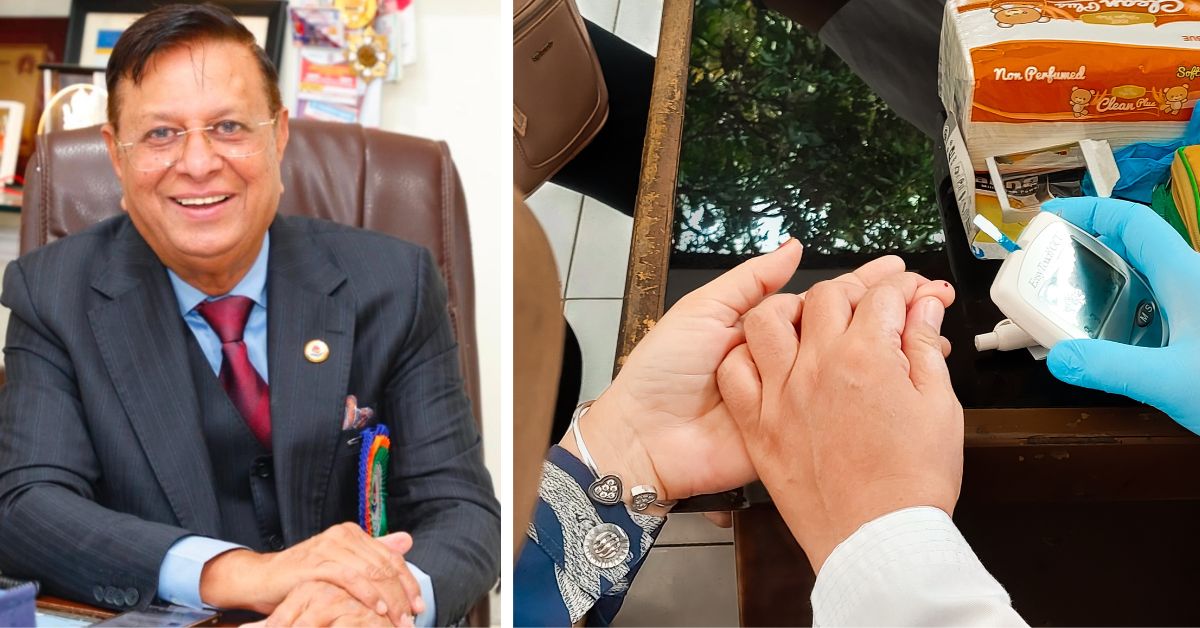
Thalassemia major is a serious blood condition where the body can't make healthy red blood cells, requiring regular blood transfusions.
It's passed down through genes.
A grandfather's personal experience with his granddaughter inspired him to fight for early screening to prevent new cases.
This involves blood tests before birth to identify carriers.
The goal is to prevent the birth of children with this condition.
In Mahabubnagar, they screen all pregnant women and test fathers if the mother is a carrier, offering counseling if the baby is at risk.
The TSCS provides free blood transfusions and aims to expand these programs.

Thalassemia major affects thousands of babies in India annually.
The condition requires lifelong blood transfusions and chelation therapy.
Early detection and prevention through screening are crucial.
Chandrakant Agarwal leads TSCS, promoting awareness and testing.
Mahabubnagar has implemented 100% prenatal screening for carriers.
- Who
- Chandrakant Agarwal, TSCS, medical professionals, and families affected by thalassemia.
- What
- Thalassemia major is a genetic blood disorder causing faulty haemoglobin synthesis.
- When
- Testing is key, including prenatal screening and screening of family members.
- Where
- India, particularly in Hyderabad and Mahabubnagar.
- Why
- To prevent the birth of children affected by thalassemia major and to improve the quality of life for those affected.
- What is Thalassemia Major?
- A severe inherited blood disorder requiring lifelong blood transfusions and iron chelation.
- Symptoms
- Irritability, low energy, restlessness, enlarged abdomen, and jaundice.
- Prevalence in India
- Approximately 10,000-15,000 babies born with thalassemia major annually.
- Prevention
- Carrier screening, genetic counseling, and prenatal diagnosis are recommended.
- Key Player
- Chandrakant Agarwal, President of the Thalassemia and Sickle Cell Society (TSCS).
- Mahabubnagar Initiative
- 100% prenatal screening for thalassemia carriers since 2022.