Archive · 31 Jan 2026
200-Year Temple Dispute Between Iyengar Sects Reaches Supreme Court
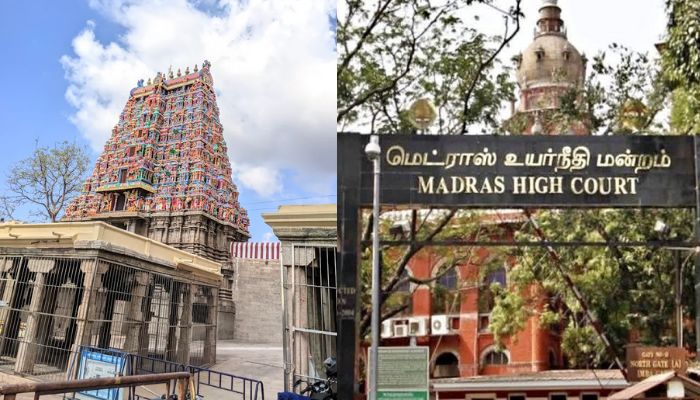
There's a big argument between two groups of people who worship at the same temple in Tamil Nadu.
Both groups follow the same philosopher and pray to the same god, but they disagree about who should chant first during prayers.
One group, the Thenkalai, says they should chant first because of old traditions.
The other group, the Vadakalai, wants to chant their own prayers too.
This argument has been going on for over 200 years, and the courts have been involved many times.
Recently, the highest court in India appointed a retired judge to help them solve the problem peacefully.
The main issue is about who gets to lead the prayers and stand in the front rows during worship.
It's not just about religion but also about who has the right to perform certain rituals in the temple.

The dispute is between the Thenkalai and Vadakalai sects of Sri Vaishnavas over ritual sequence in temple worship.
The core issue is the right to lead the recitation of the Nalayira Divya Prabandham and chant specific mantras.
The Thenkalai sect claims exclusive rights to the Adhiapaka Mirasi office, which governs these rituals.
The Vadakalai sect argues for the right to chant their own mantras, citing freedom of religion.
The Supreme Court has appointed a mediator to help resolve the dispute amicably.
- Who
- Two sects of Sri Vaishnavas: Thenkalai and Vadakalai
- What
- Dispute over ritual sequence and chanting rights in temple worship
- When
- Dispute has been ongoing for over 200 years, with recent developments in 2025
- Where
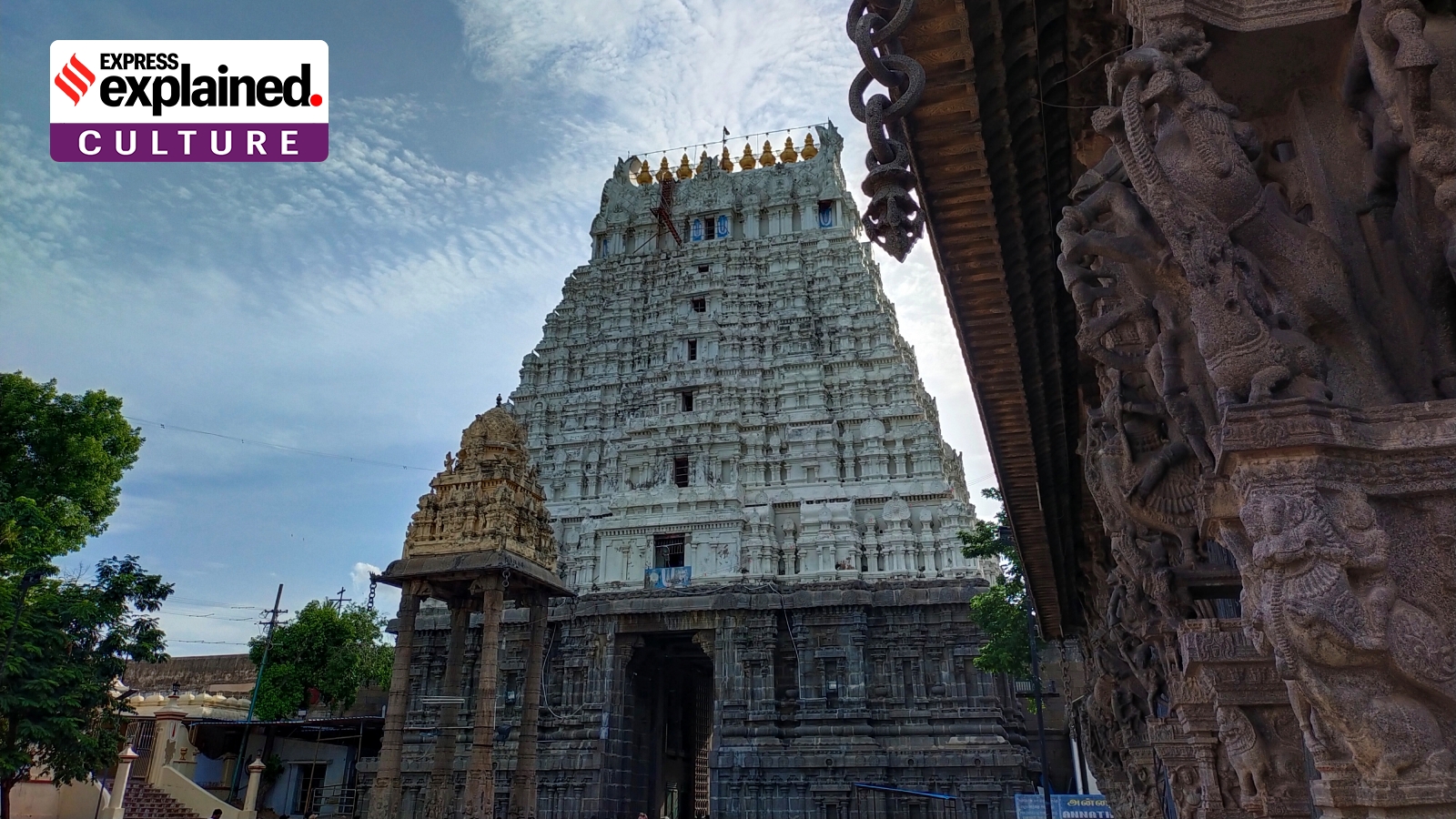
- Sri Devarajaswamy Temple in Kanchipuram, Tamil Nadu
- Why
- Both sects claim the right to lead recitations and chant specific mantras during worship
- Temple
- Sri Devarajaswamy Temple, Kanchipuram
- Sects Involved
- Thenkalai and Vadakalai
- Core Dispute
- Ritual sequence and chanting rights
- Key Ritual
- Recitation of Nalayira Divya Prabandham
- Mediator
- Justice (retired) Sanjay Kishan Kaul
- Legal Basis
- Article 25 of the Constitution
- Historical Context
- Over 200 years of litigation
- Recent Ruling
- Madras High Court, November 2025